Baku, Azerbaijan in 2 Days

Photos
Photos on the map
Text
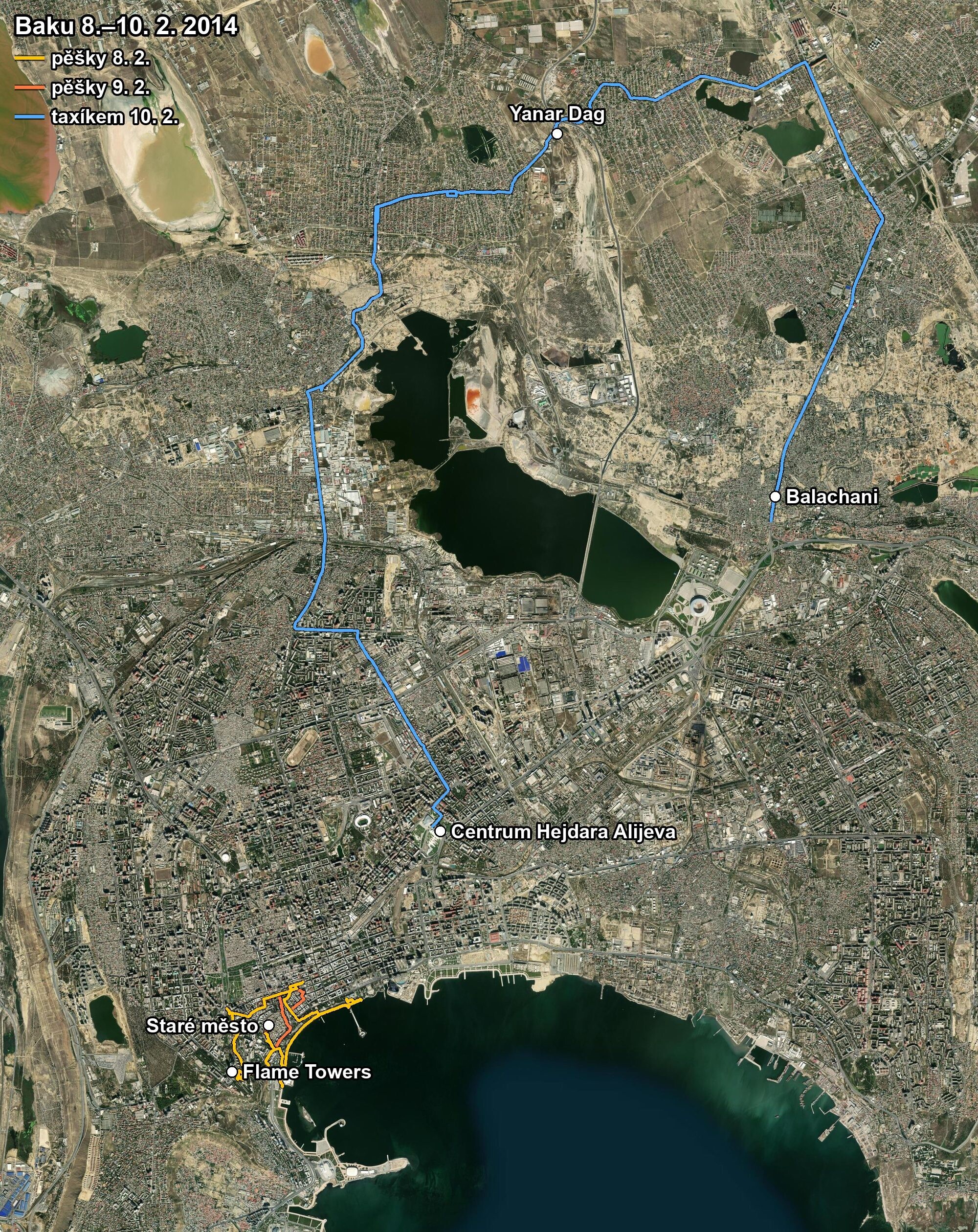
Satellite map of Baku and surroundings with the walking routes and the taxi ride to Yanar Dag
Baku, 8–10 February 2014: walks around the centre in yellow and orange, the taxi ride on 10 February from the Heydar Aliyev Center to Yanar Dag and via Balakhani in blue. The lines follow the streets between the places where the photos were taken; the actual route was not recorded.

How to burn your air miles on a two-day trip to a random spot on the world map

The trip to Baku came about roughly like this.

First came an email from Czech Airlines saying that if I didn't spend my accumulated miles by date xy, they'd expire. Well, if I've got something for free (read: for the gazillions spent on plane tickets, mostly on business trips to the US), I'm surely not going to let it expire!

Turned out it wasn't that simple. It wasn't enough for a ticket to the US. You can't upgrade a ticket to business unless you buy the most expensive ticket. You can't use it for a trip to any reasonable place, because those are sold out years in advance.

Fine then, where do you have a ticket available. "Well, I can't see it like that, you have to tell me where you want to fly." By then I've got a map in front of me and I'm looking for possible bizarre destinations.

"Do you have, say, a seat to Kazakhstan?" (the movie Borat was on at the time).

"I don't know, you have to tell me the city"

...frantically looking up the name of the capital of Kazakhstan...

"Astana"

"Well, that would work, but with two transfers. Flight time 22 hours."

"Hmm, no thanks. So what else is there. Azerbaijan. Baku."

"Yep, got that one. One transfer in Moscow. At three in the morning"

...I've had enough by now...

"Fine then"

And so I set off. For the first time in my life I'm going on an "expedition", a short one at that, completely alone. I don't know what to expect. Neither from the solitude, nor from Baku. But it's an adventure.

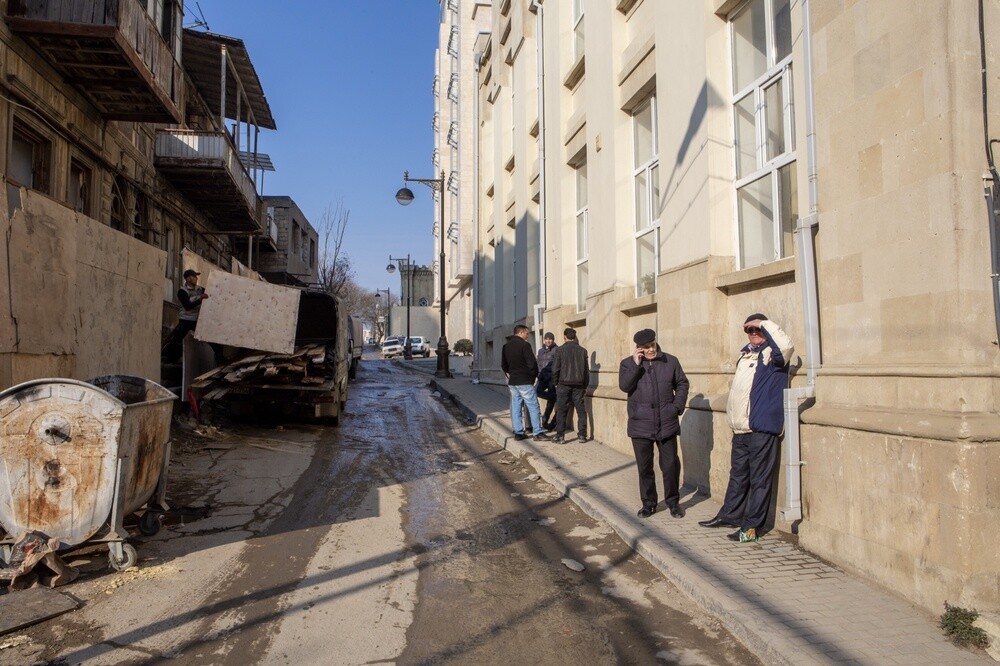
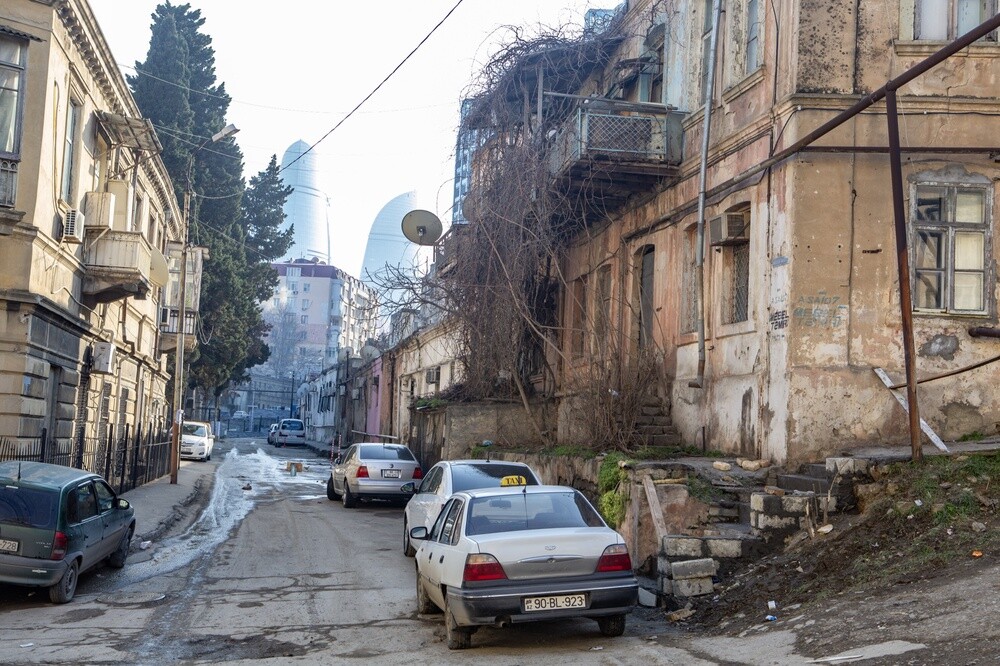
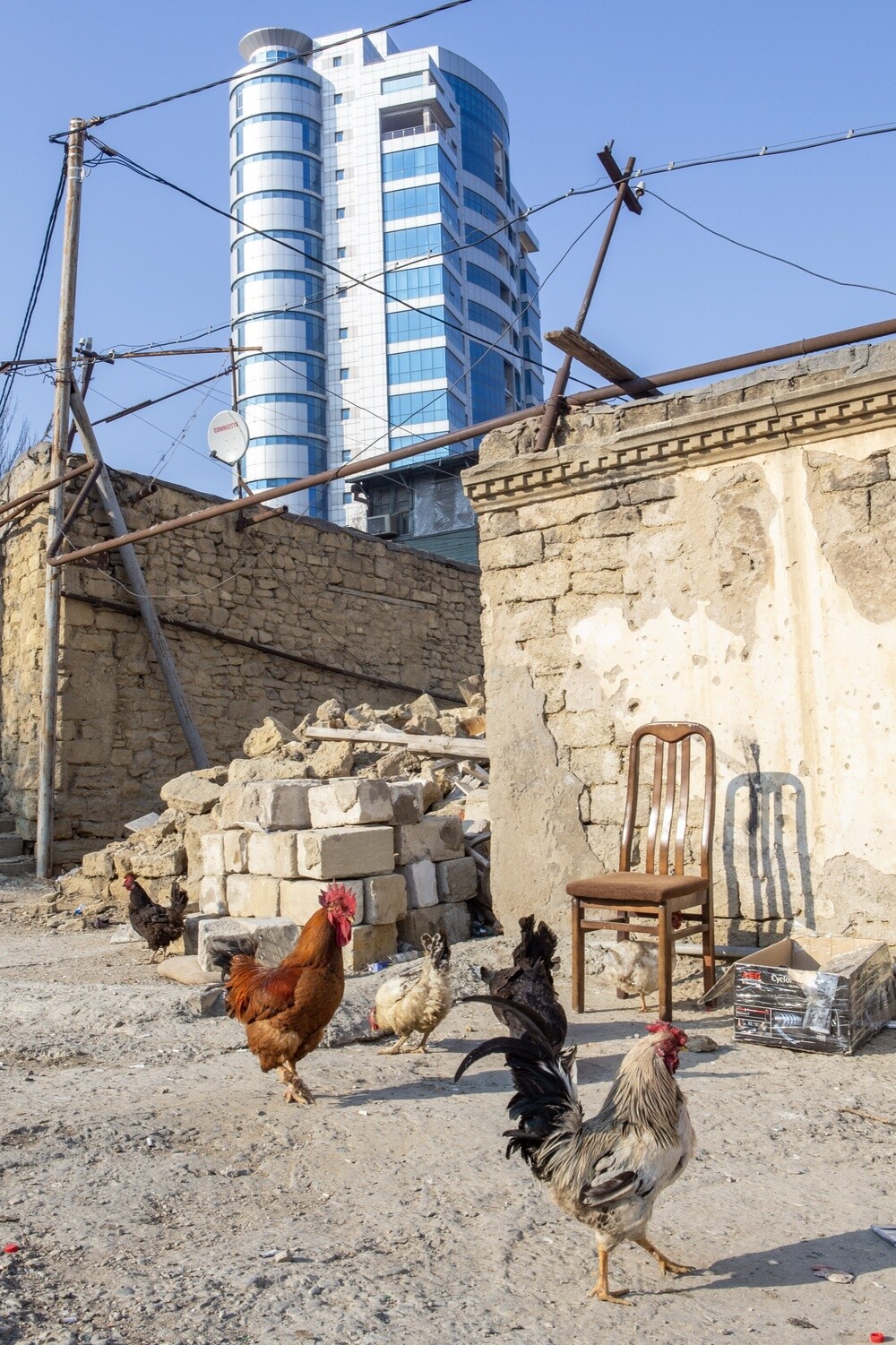
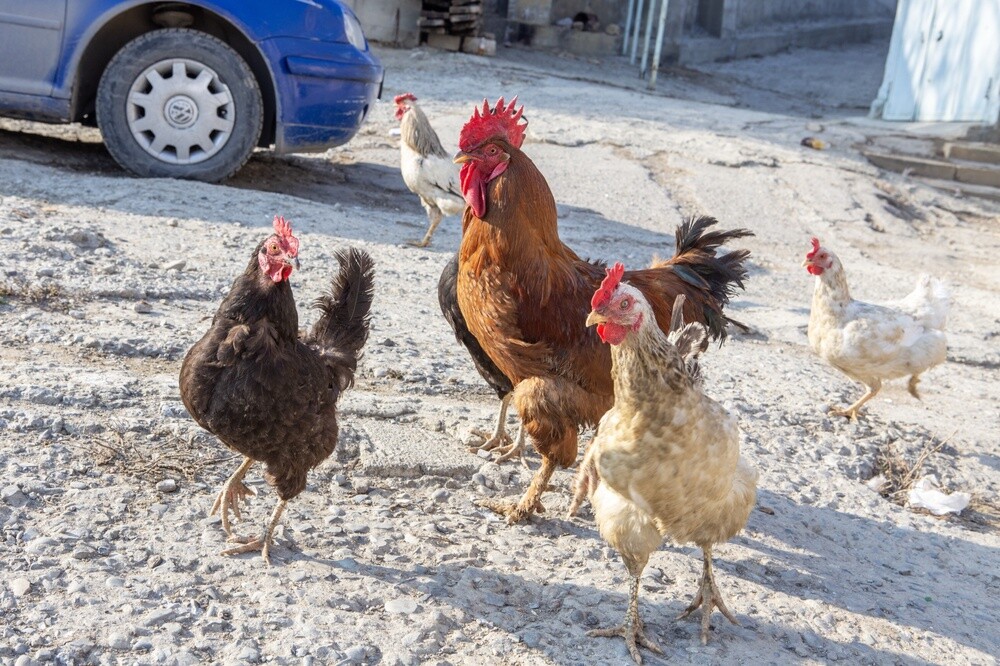
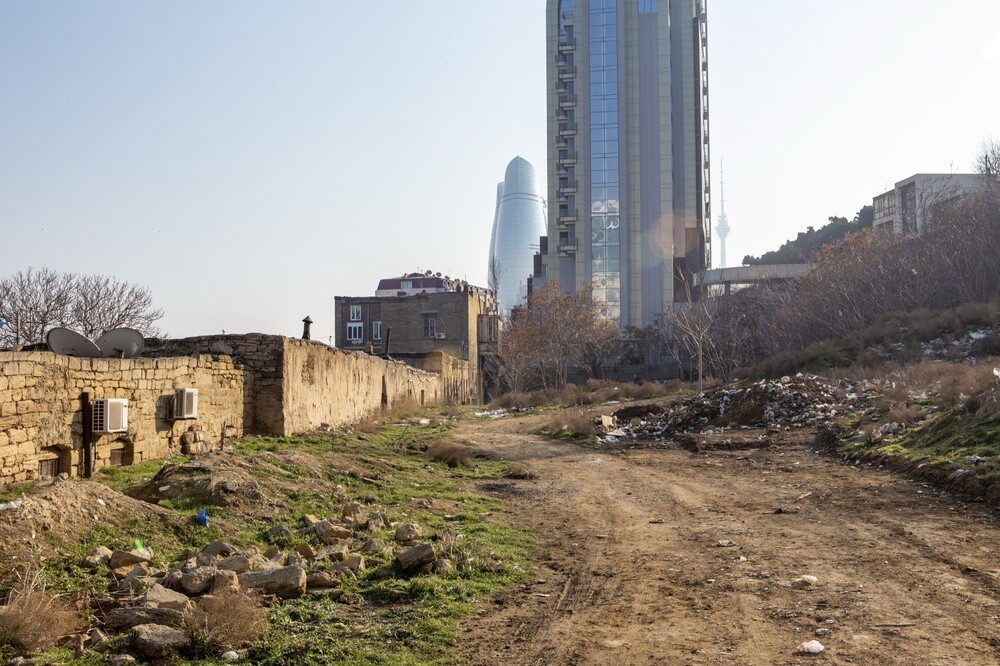
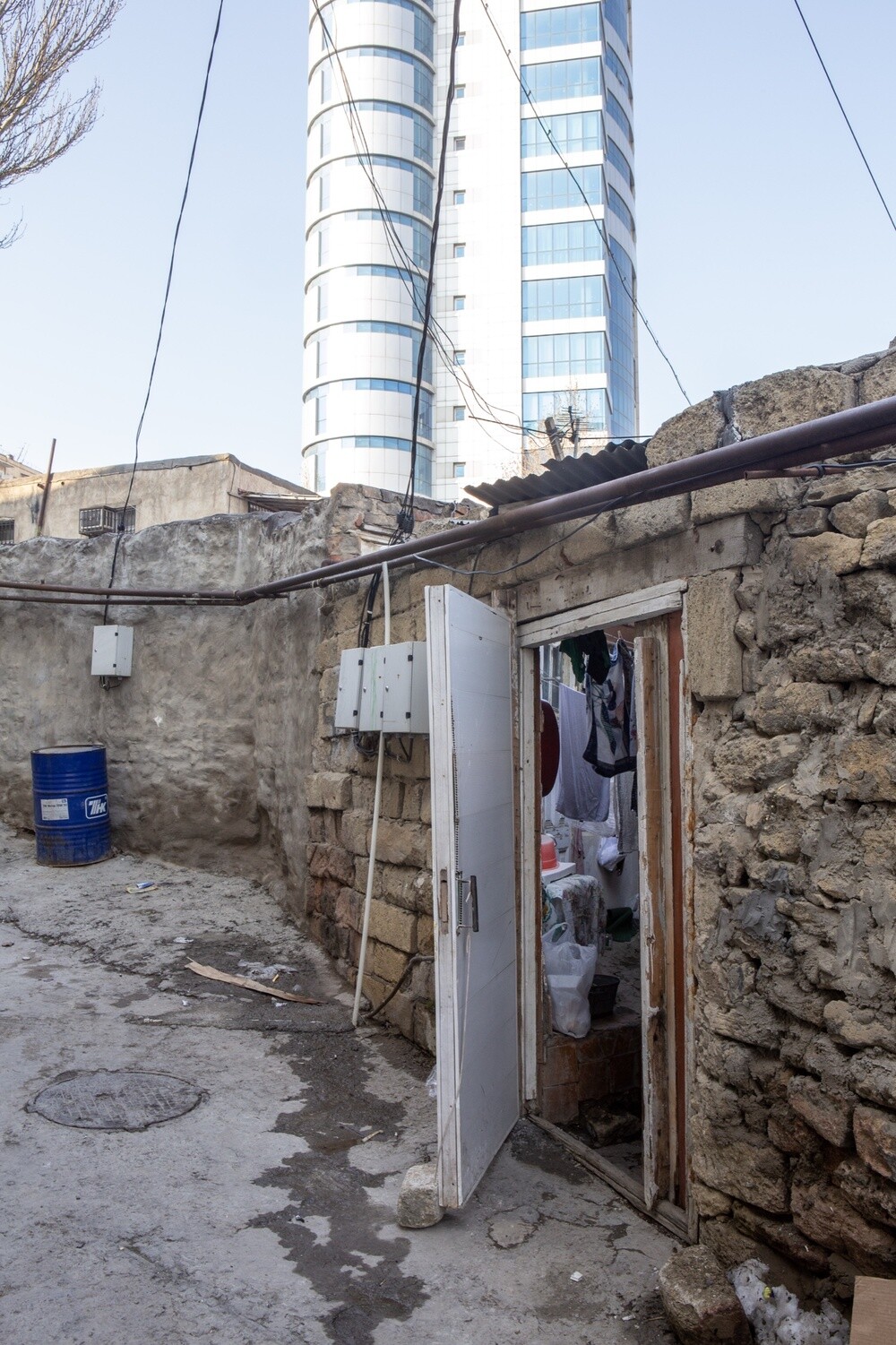
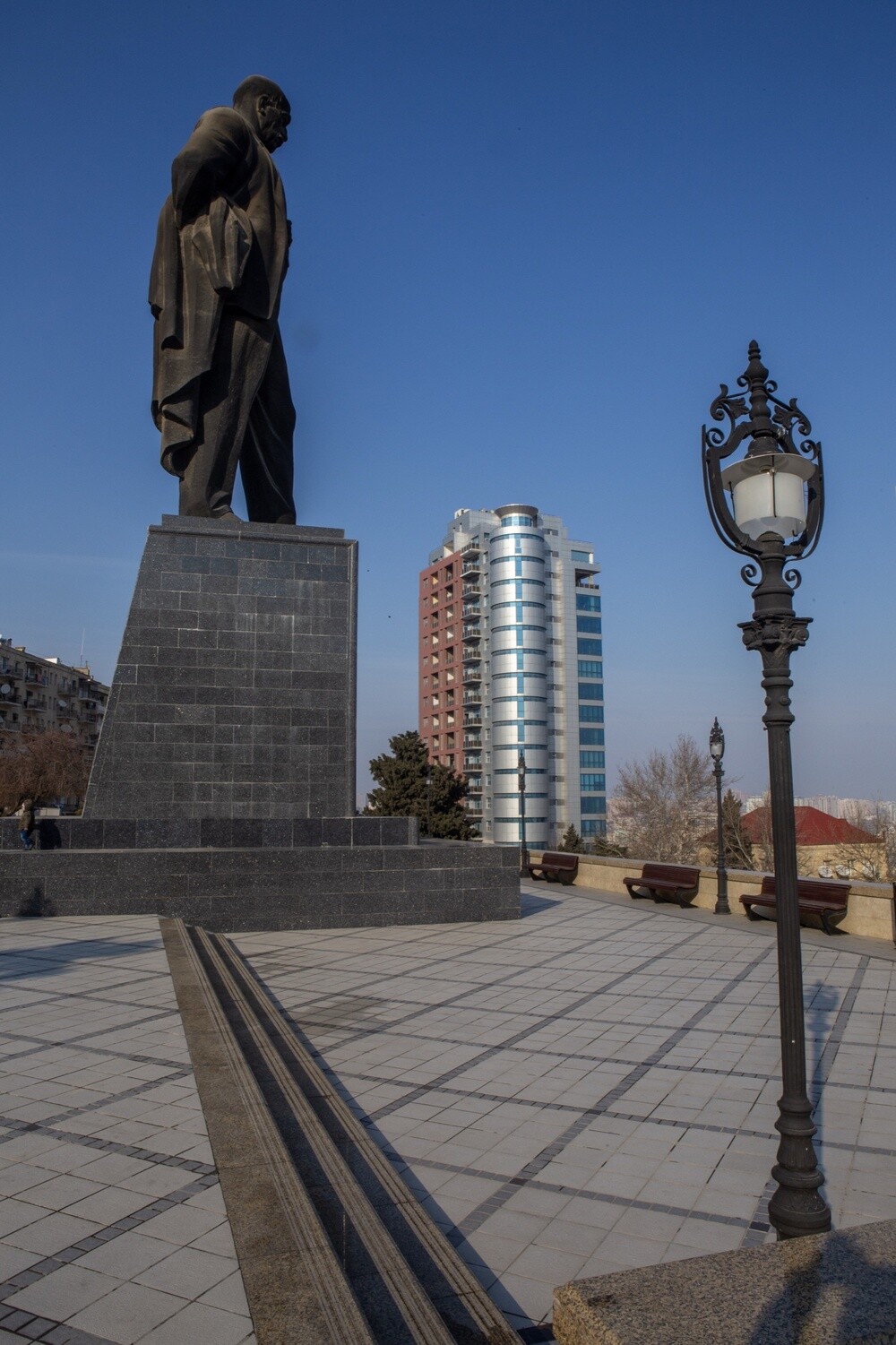
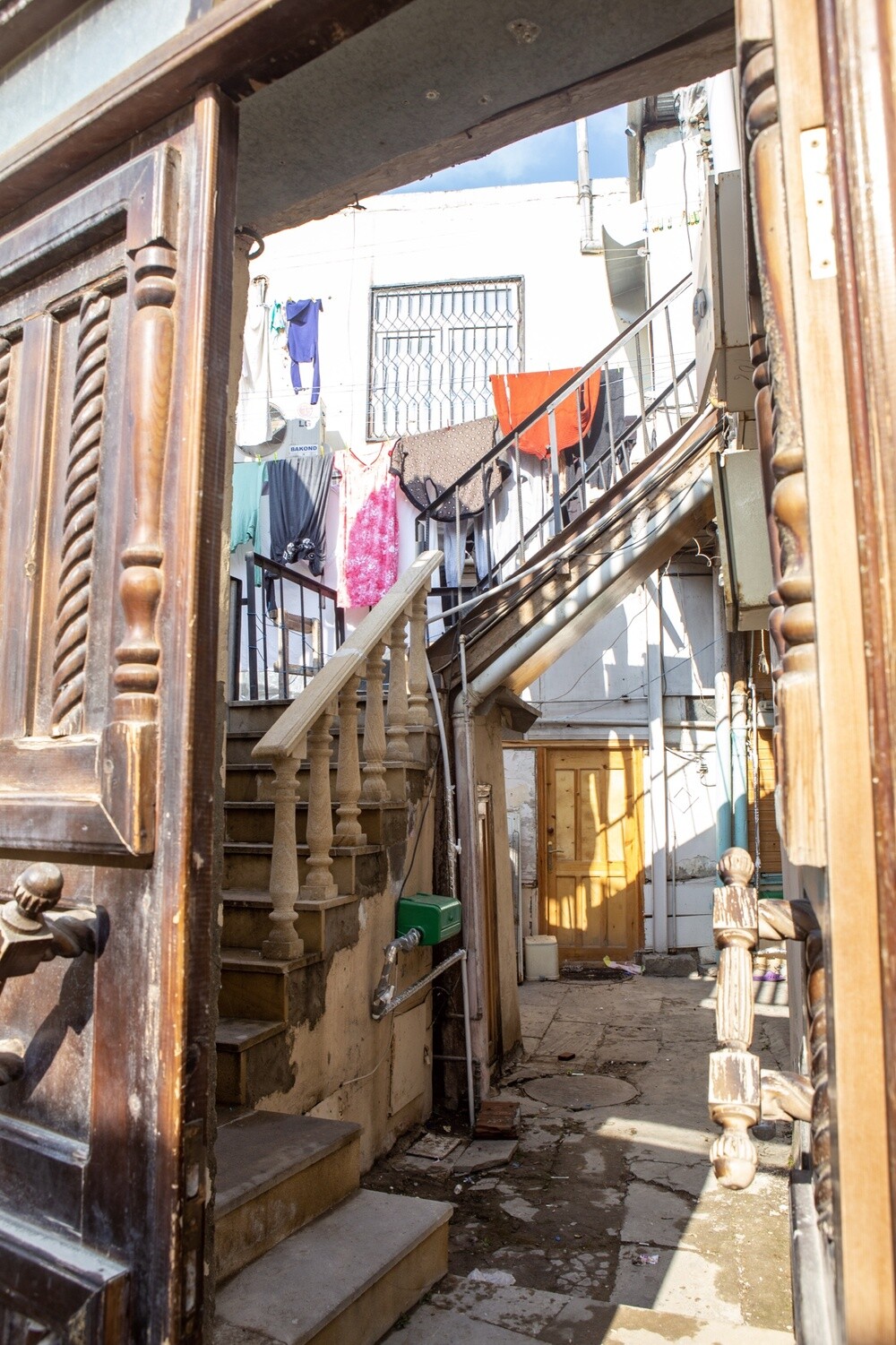
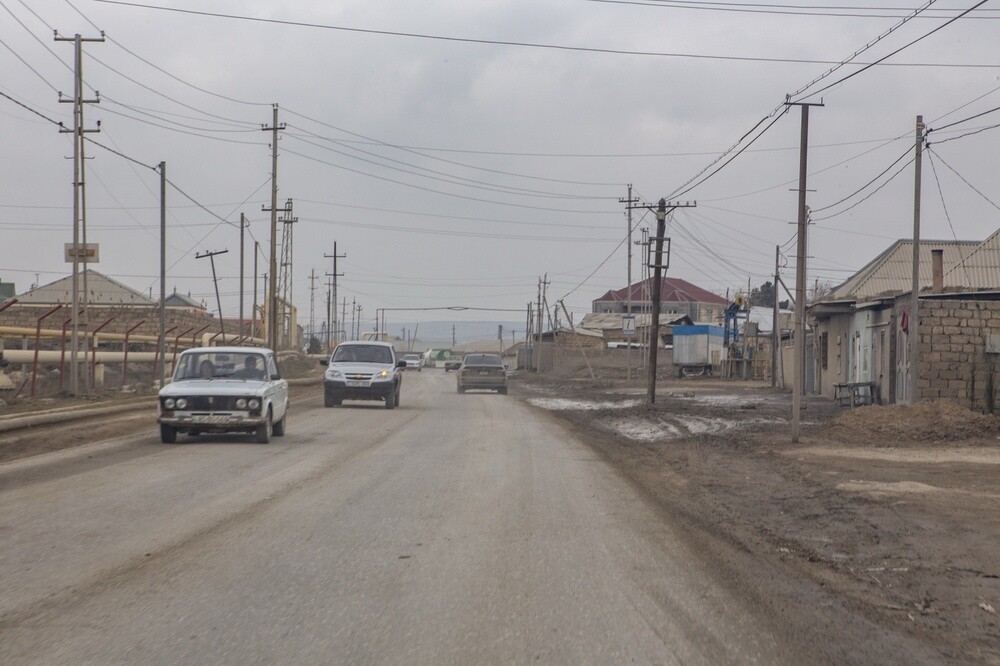
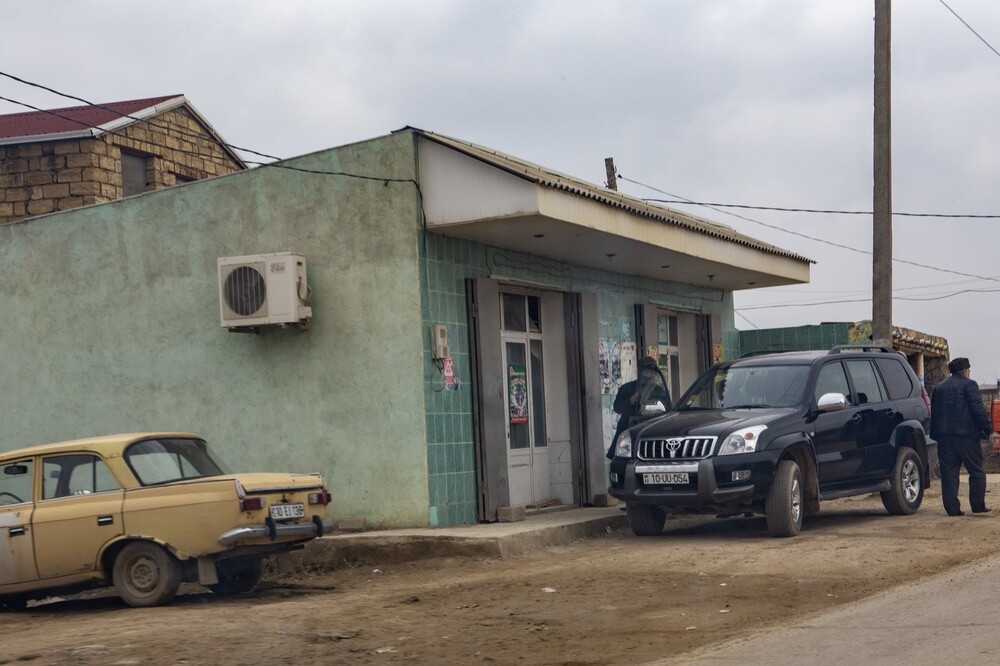
Azerbaijan is a sort of mix of Soviet Union leftovers, Islam and the pomposity of oil revenues. In the centre of Baku you'll find luxurious modern skyscrapers next to a muddy chicken coop. A modern hotel with an entire 60-storey wall made of LCD screens, next to a mosque. Crumbling neighbourhoods next to the pompous ultramodern museum the size of our most amazing president Heydar Aliyev. Luxury Mercedes cars next to a rotting Lada. Gorgeous historical fortifications and medieval alleys next to a prefab housing estate.

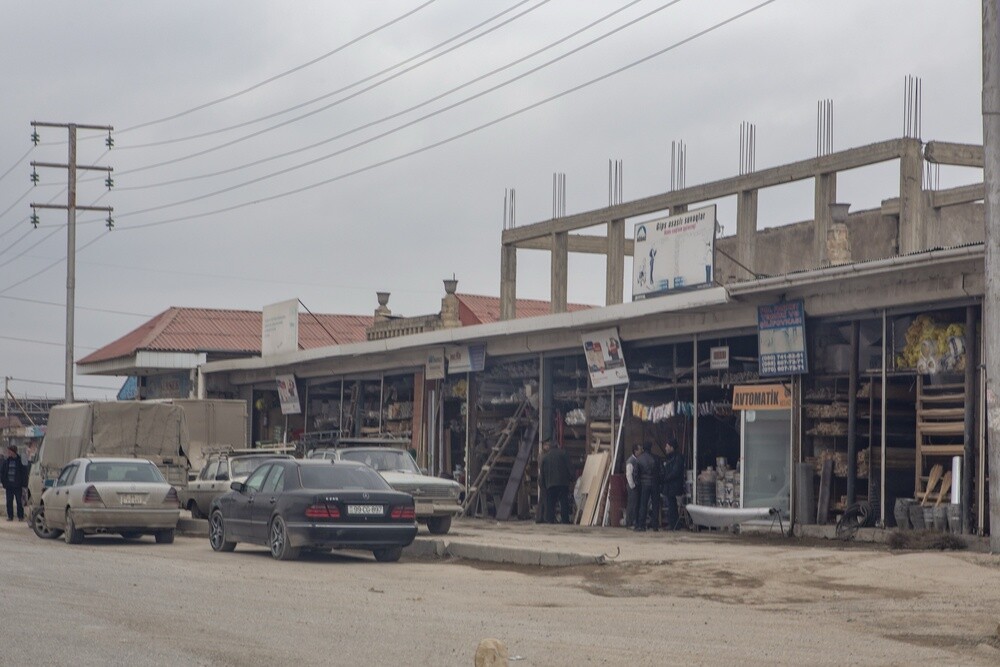
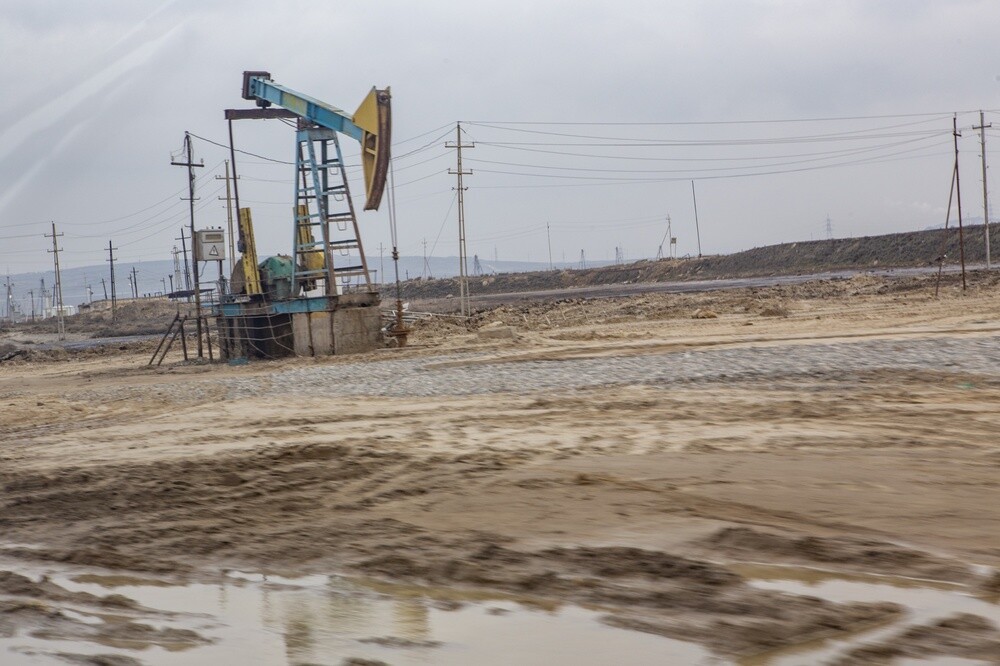
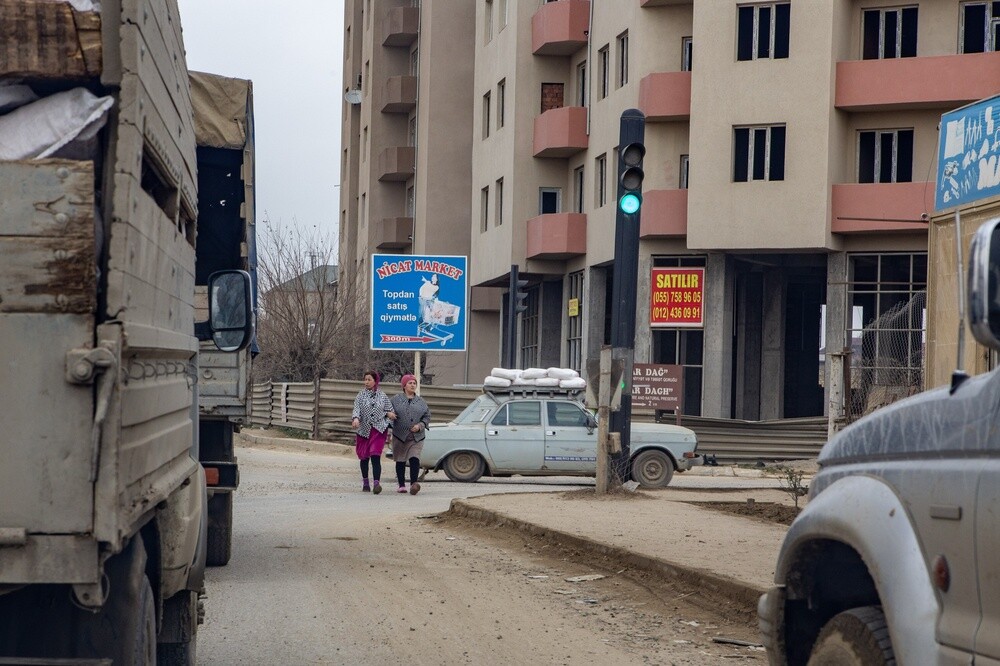
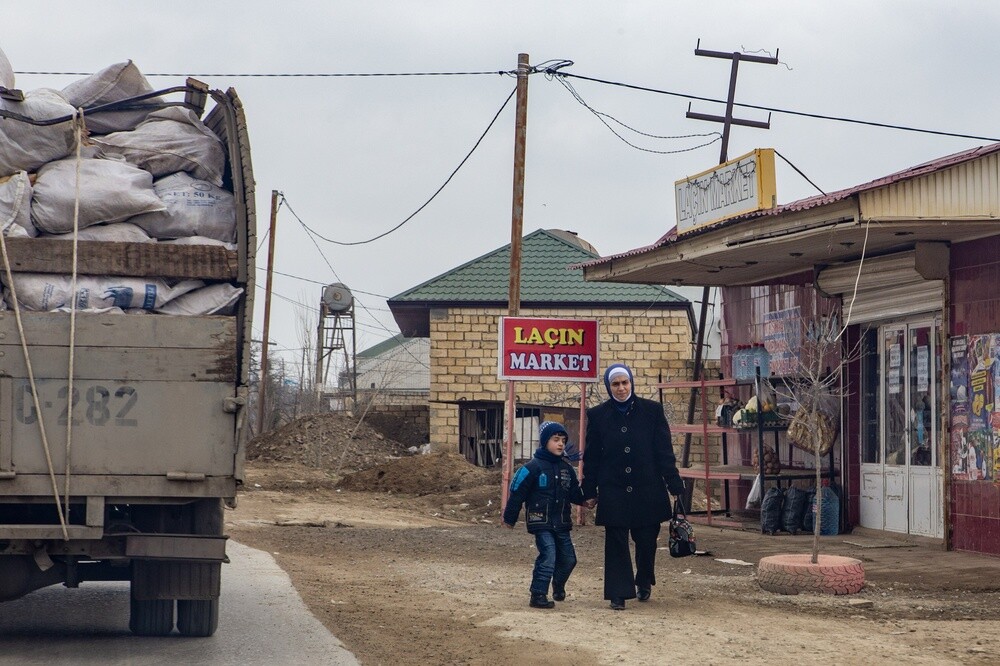
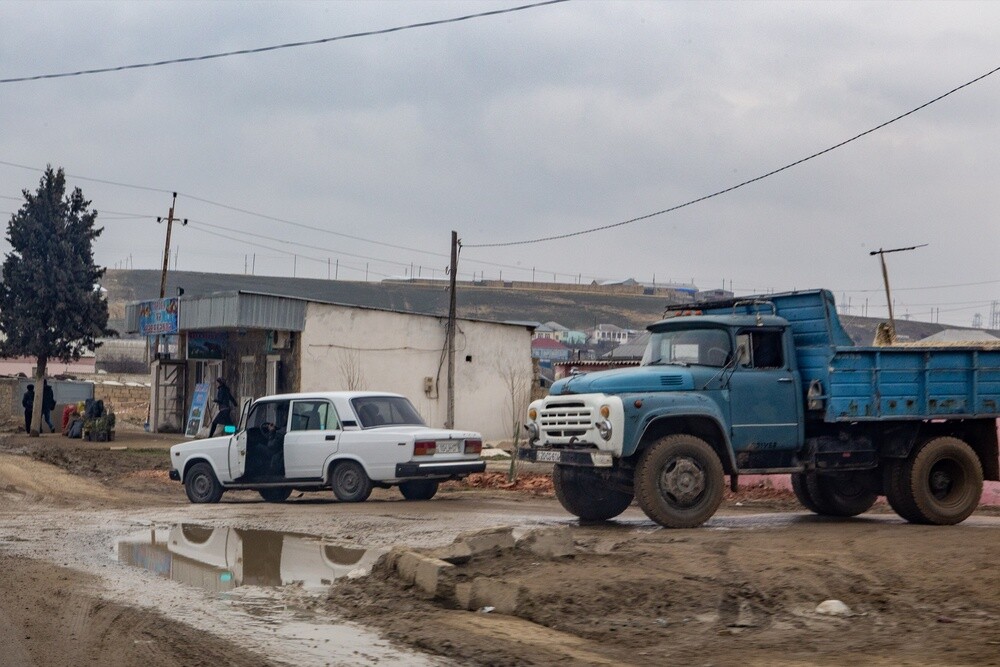
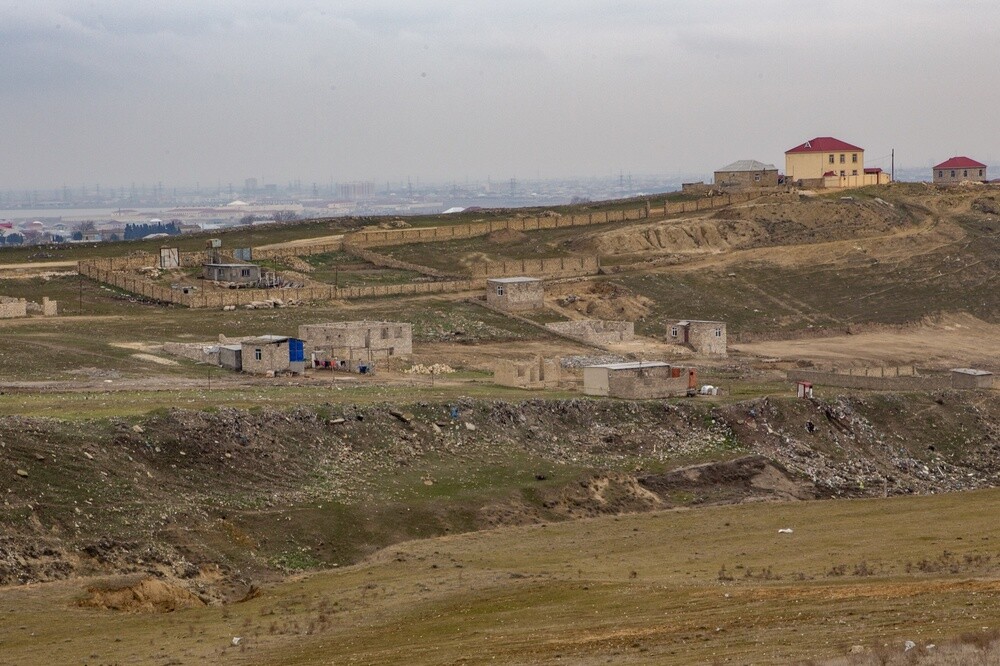
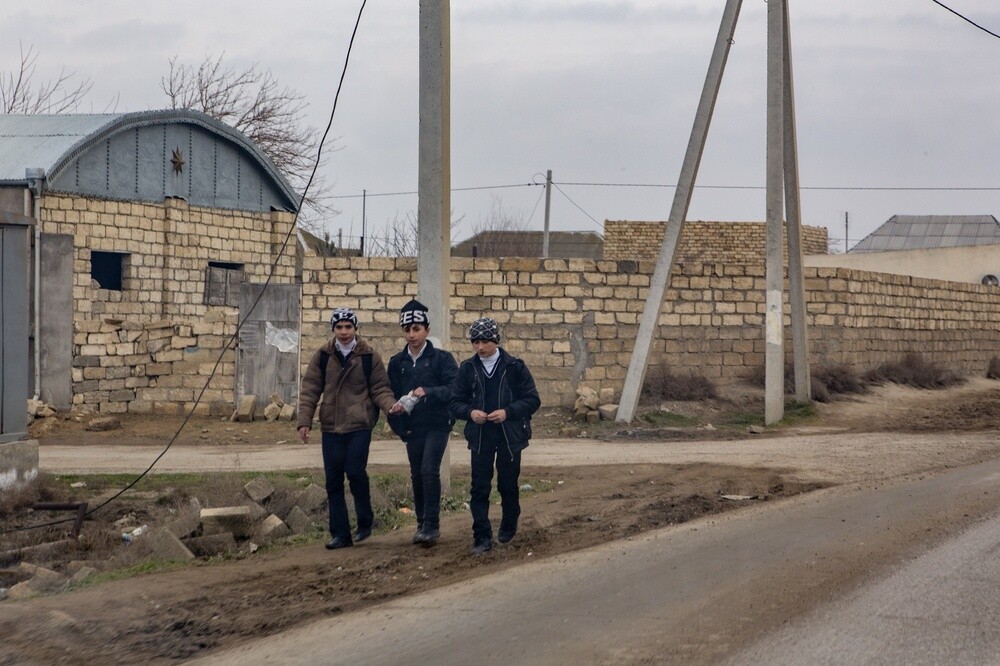
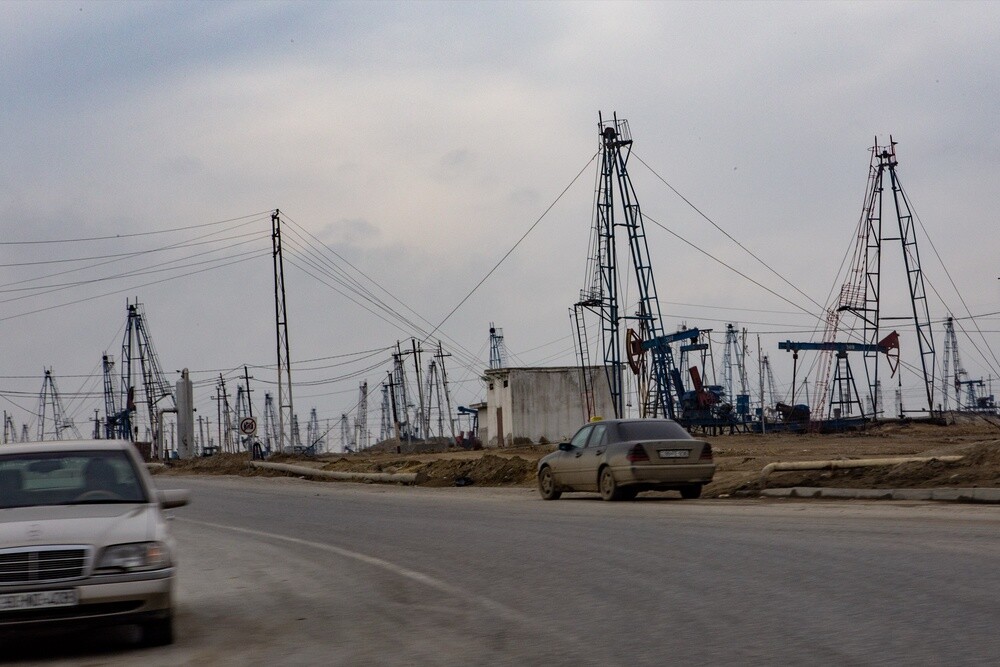
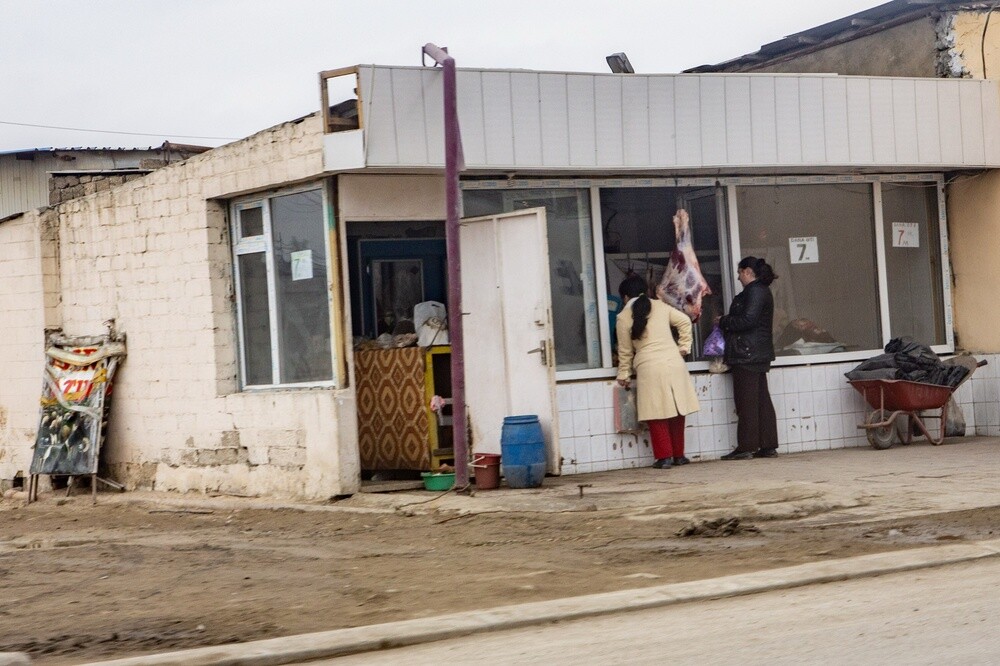
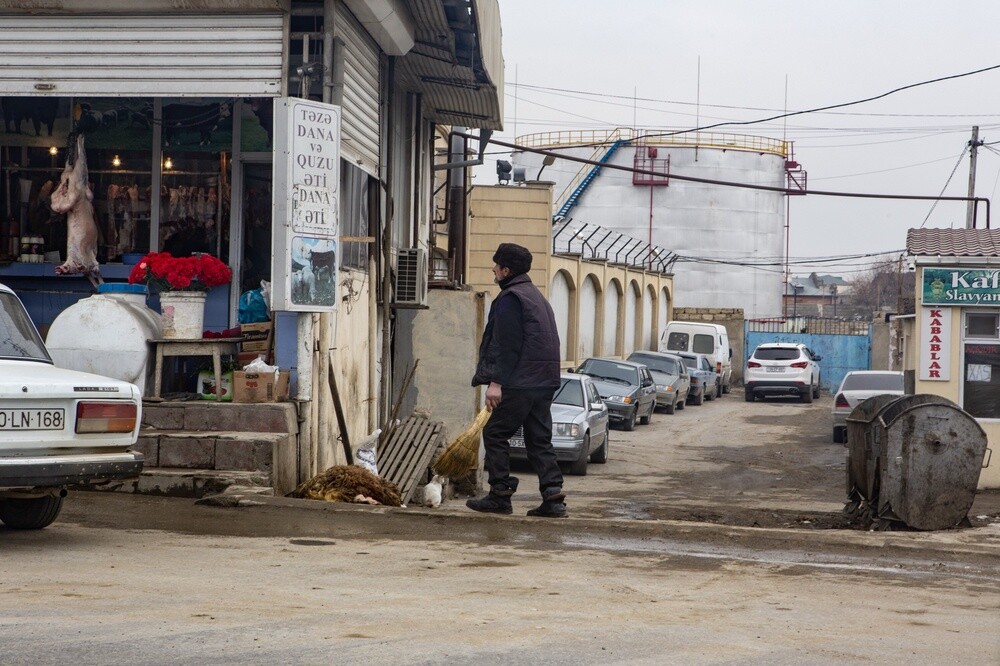
Once I drove out of the city, all that was left was plain mud and poverty. On the way to Yanar Dag, an eternally burning oil outcrop, I finally got to see the real Azerbaijan, not the tinsel of the capital. Oil derricks, muddy roads, rusty trucks and meat hanging on a hook in front of the shop just like in Africa.

In two days I obviously didn't get to know the country much. But the sweeping, senseless spending of a dictator with unlimited funds from the oil industry stuck with me. And also the excellent food, the kind people and the locals' nostalgia for Soviet Union times. The poor are apparently just as poor as back then. Only now they don't belong to the Great Mother Russia any more...
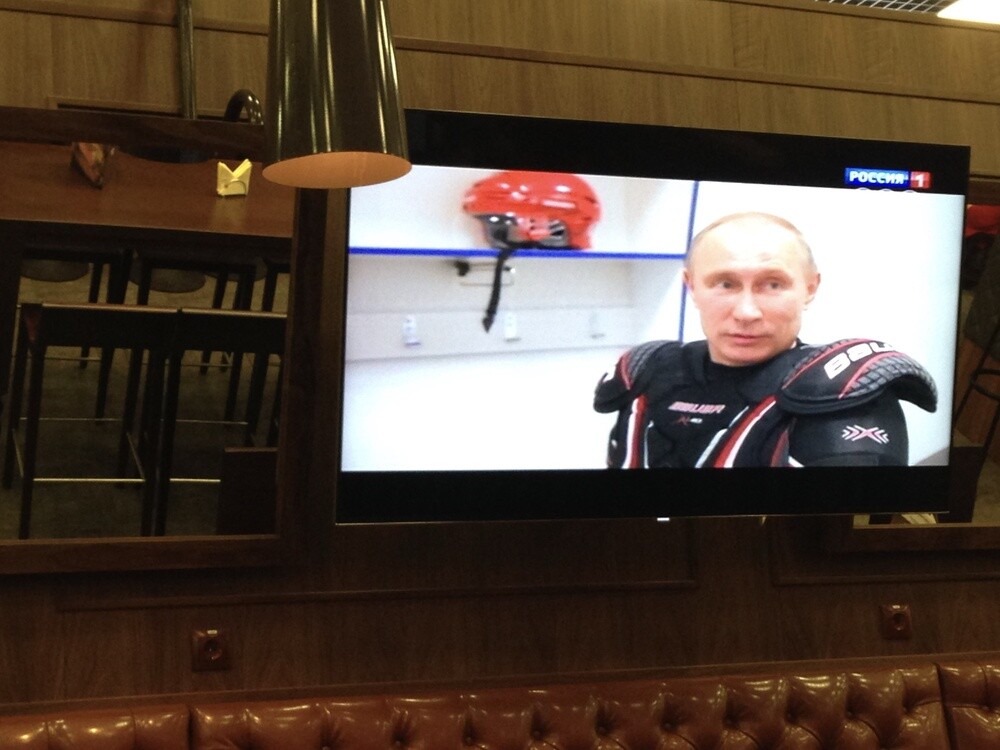
Saturday 8 February 2014, Moscow – Baku

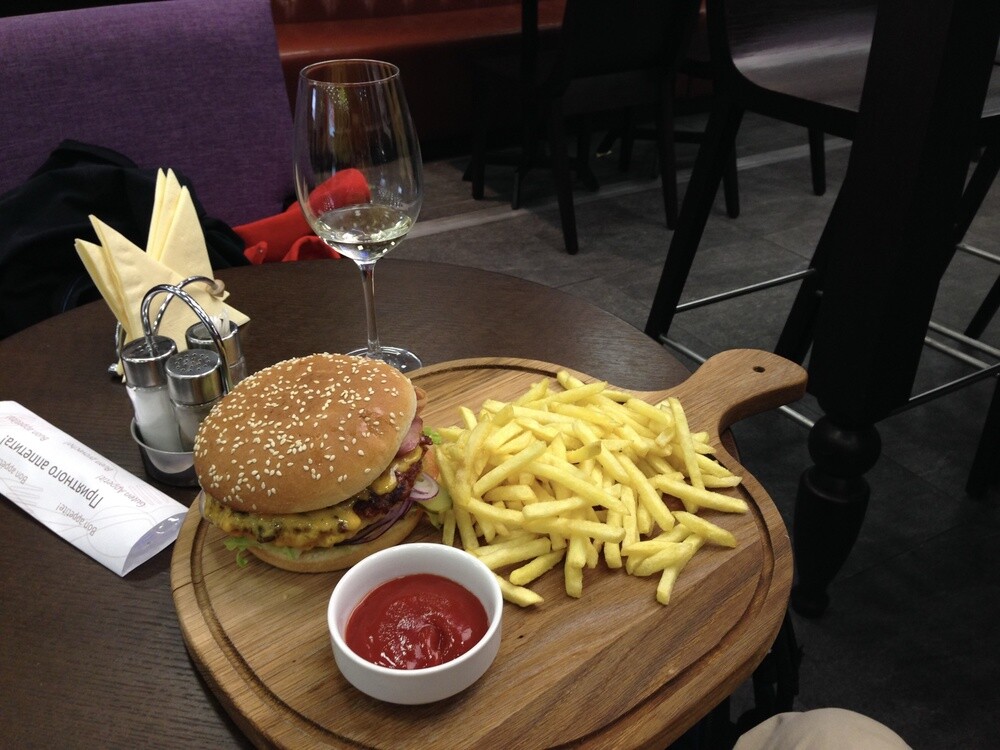
The transfer in Moscow was in the middle of the night. Around midnight I was sitting in a bar at Sheremetyevo with a burger and fries and a glass of wine, staring at the TV. The Rossiya channel was broadcasting the Sochi Olympics, which had started the day before, and between ice hockey matches they kept showing Putin in hockey gear. I couldn't have ordered a better intro to a trip to a former Soviet republic 🙂
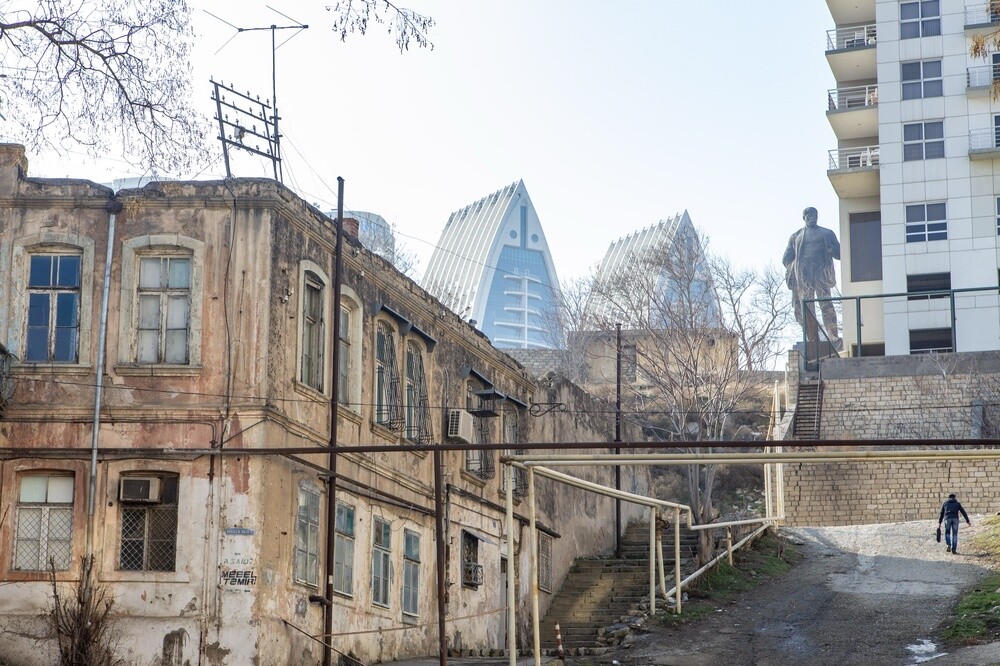
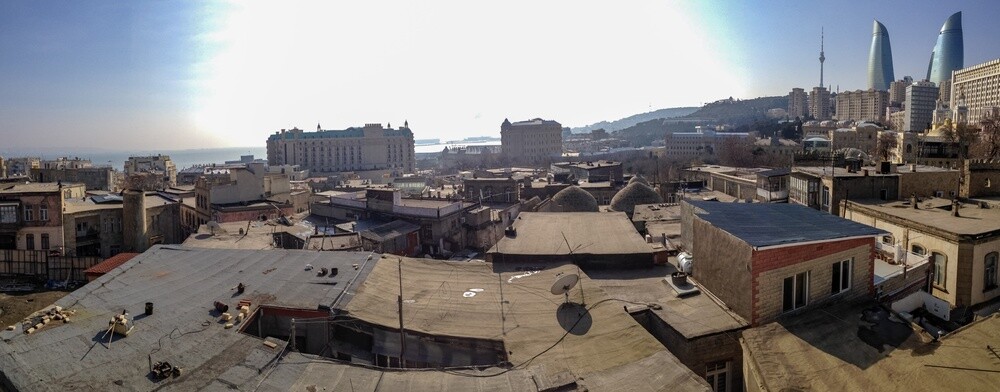
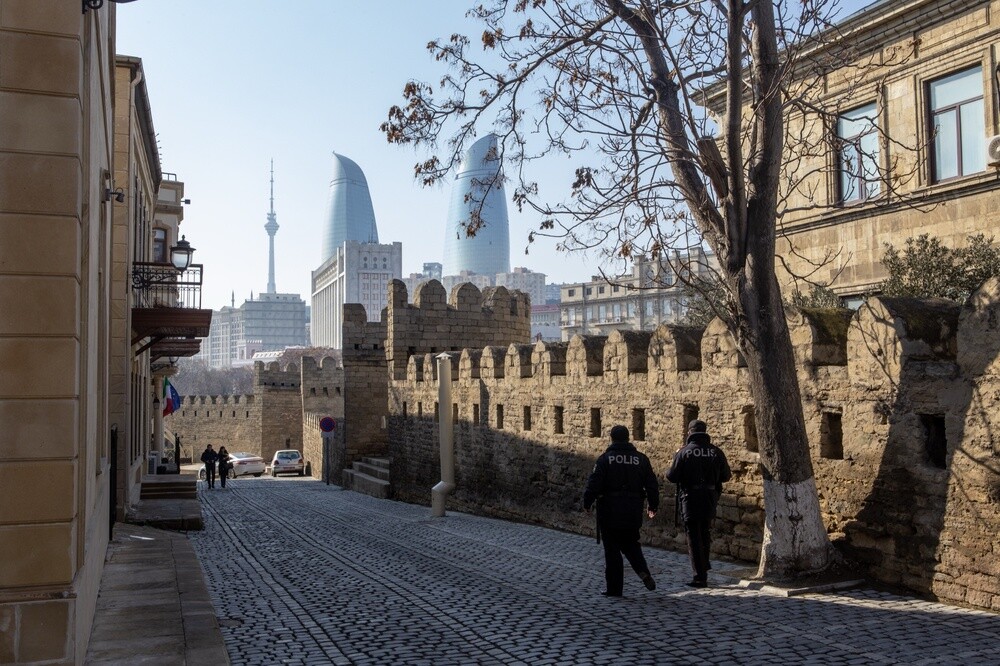
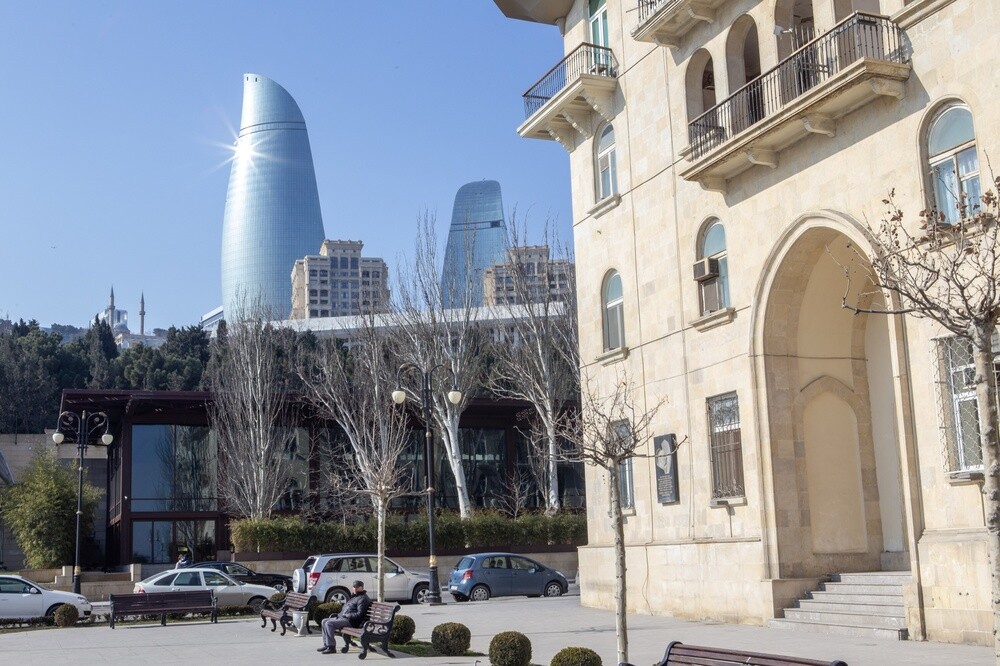
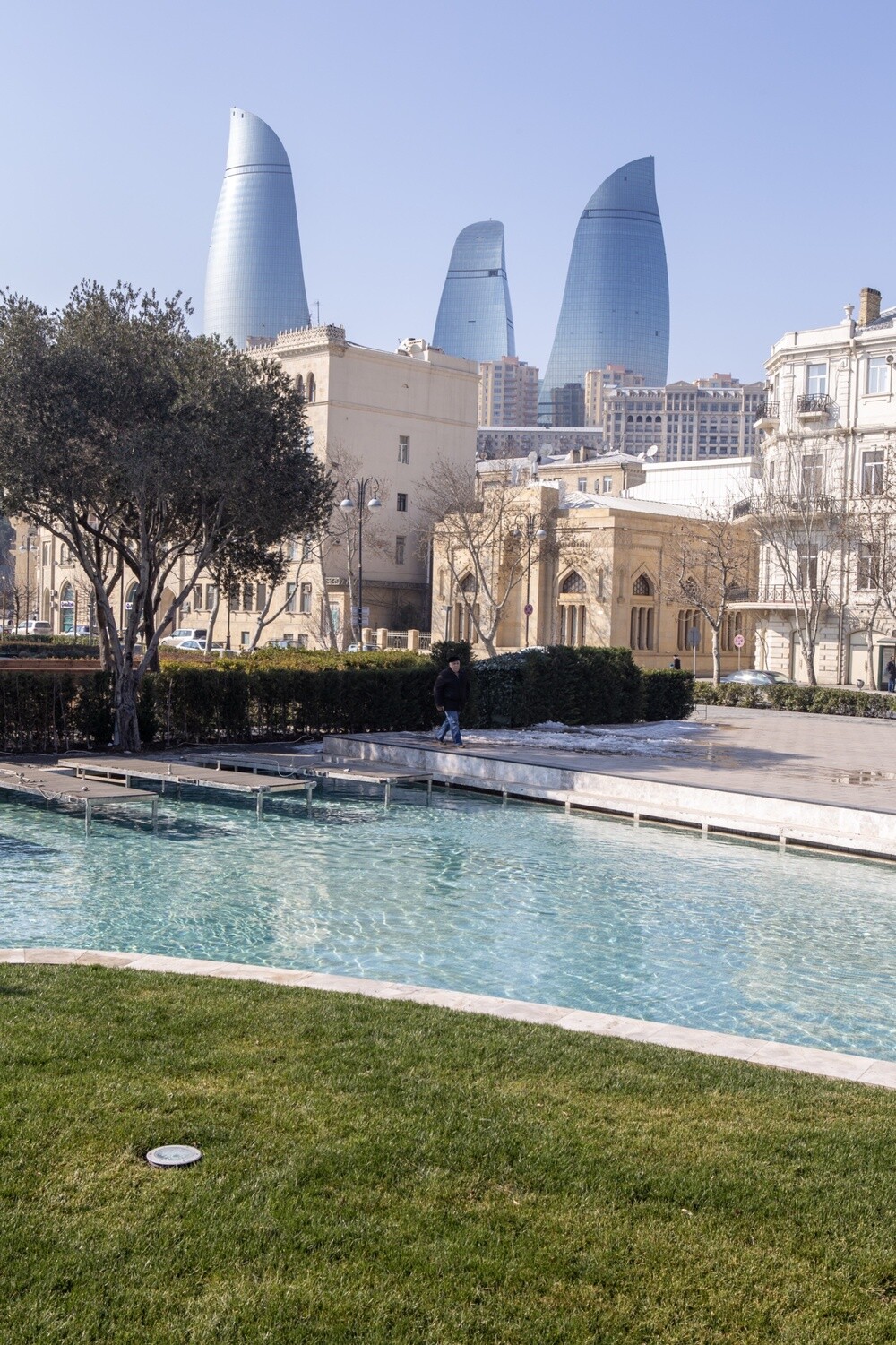
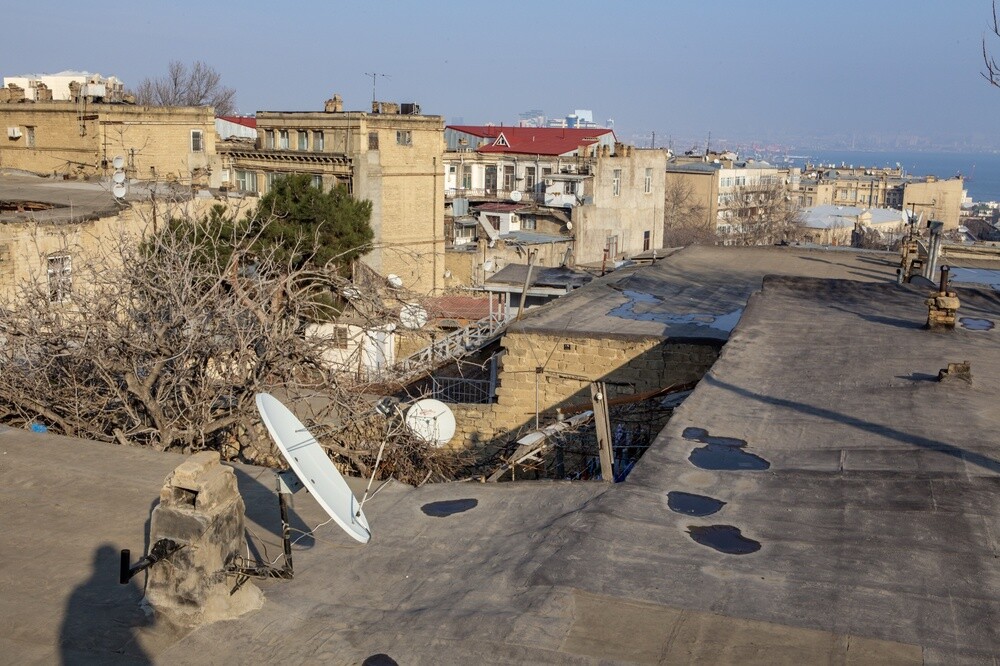
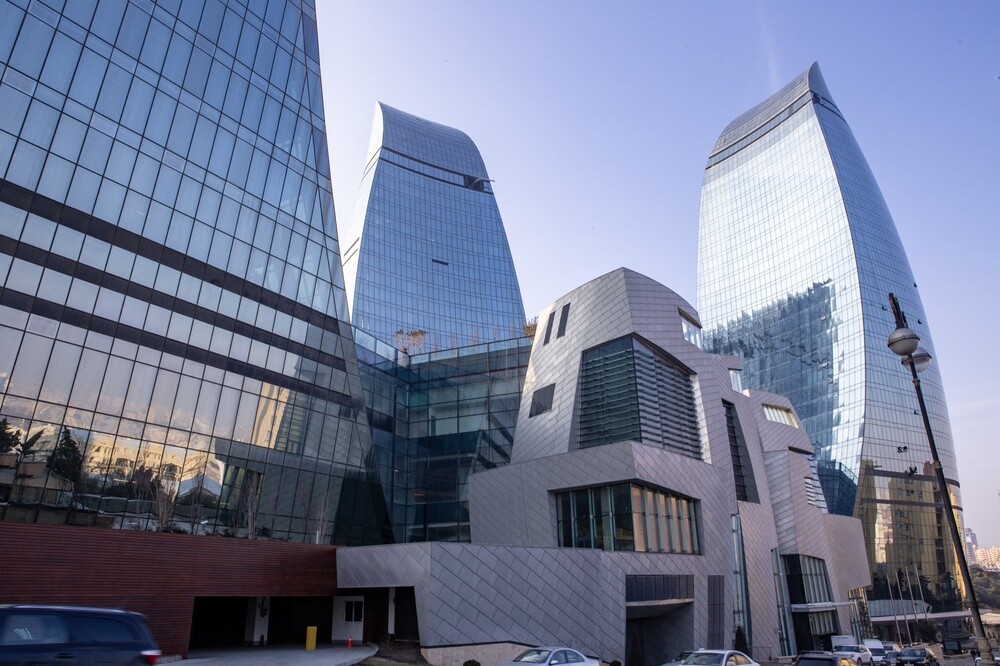
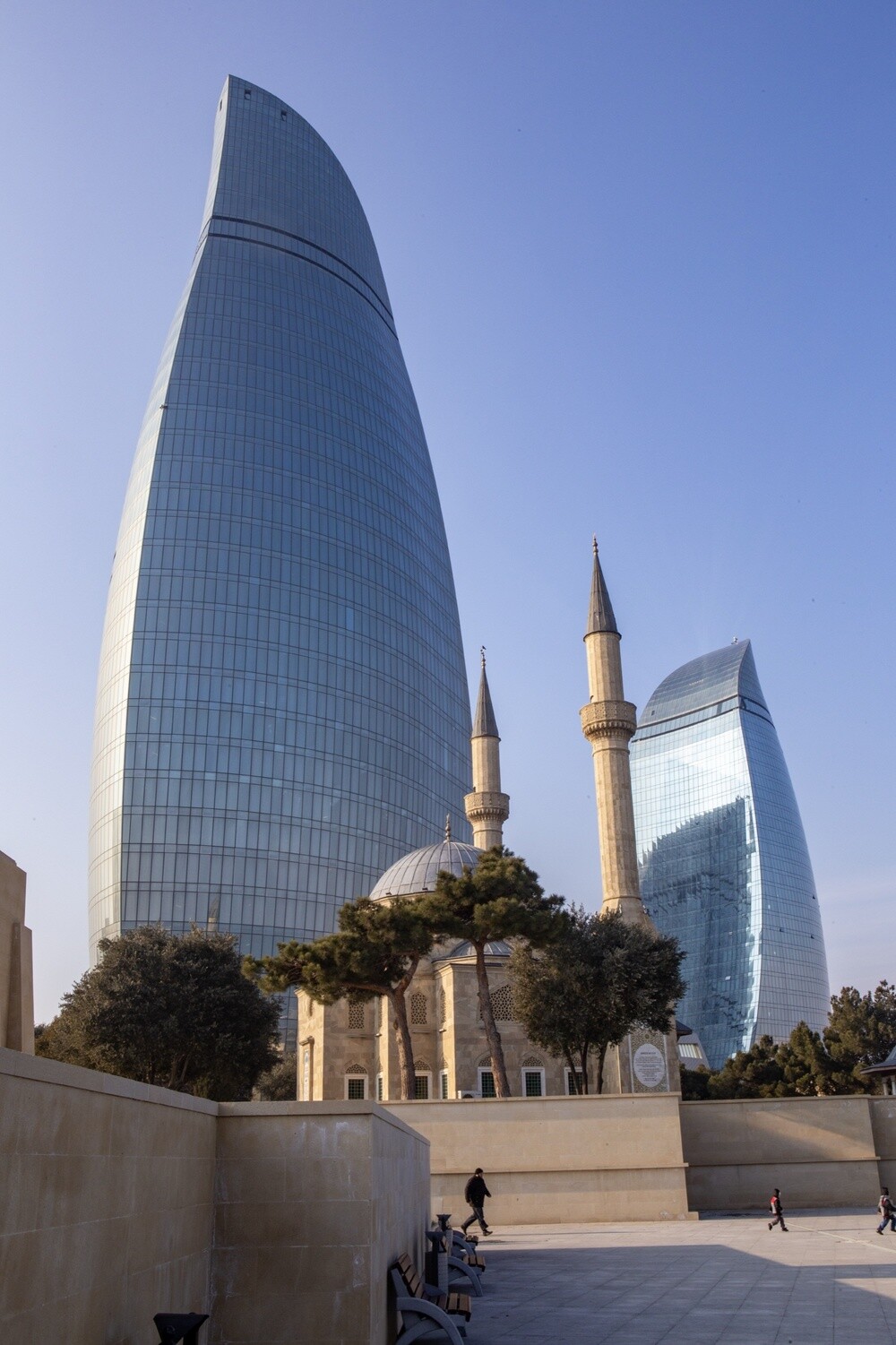
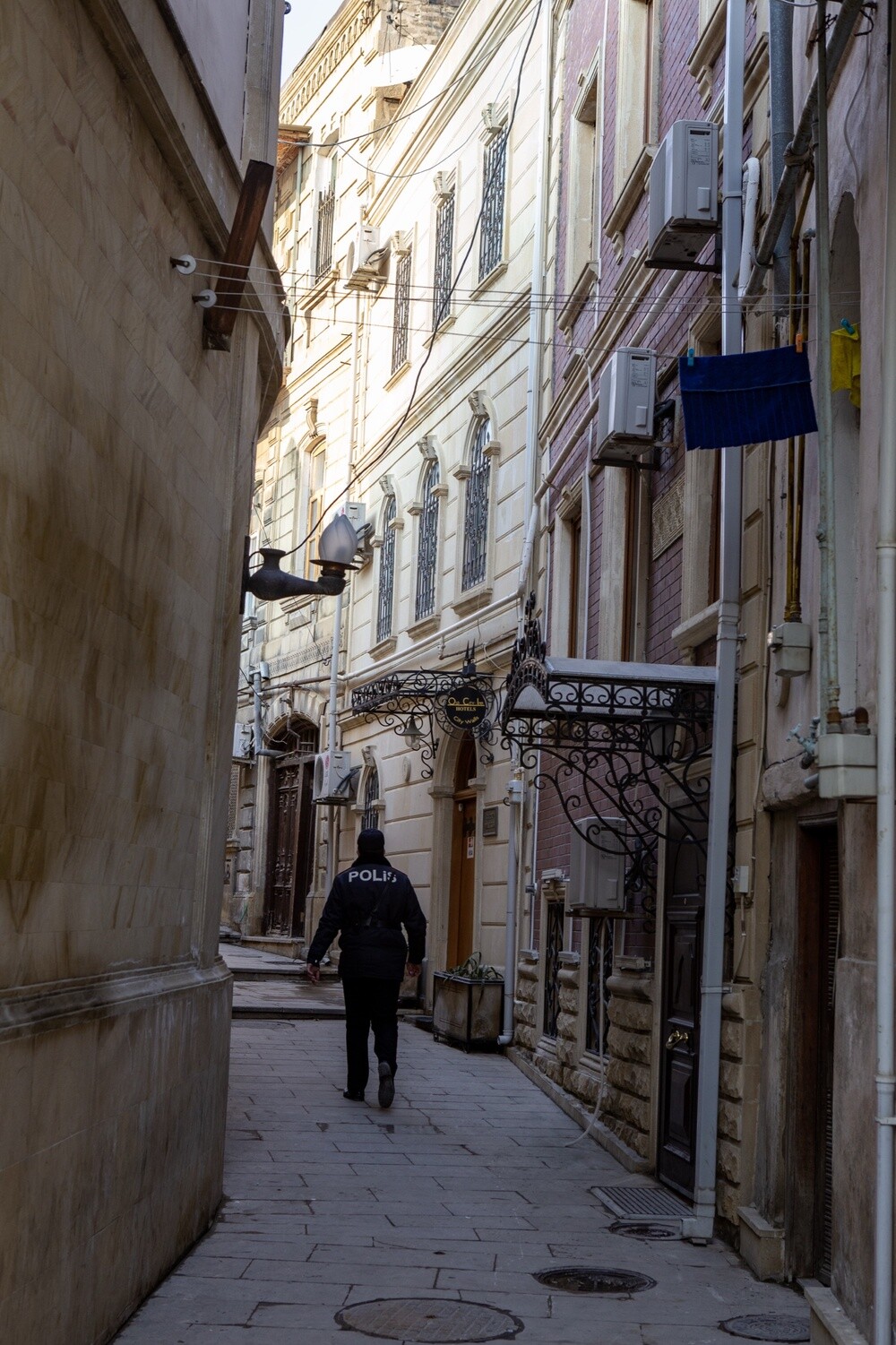
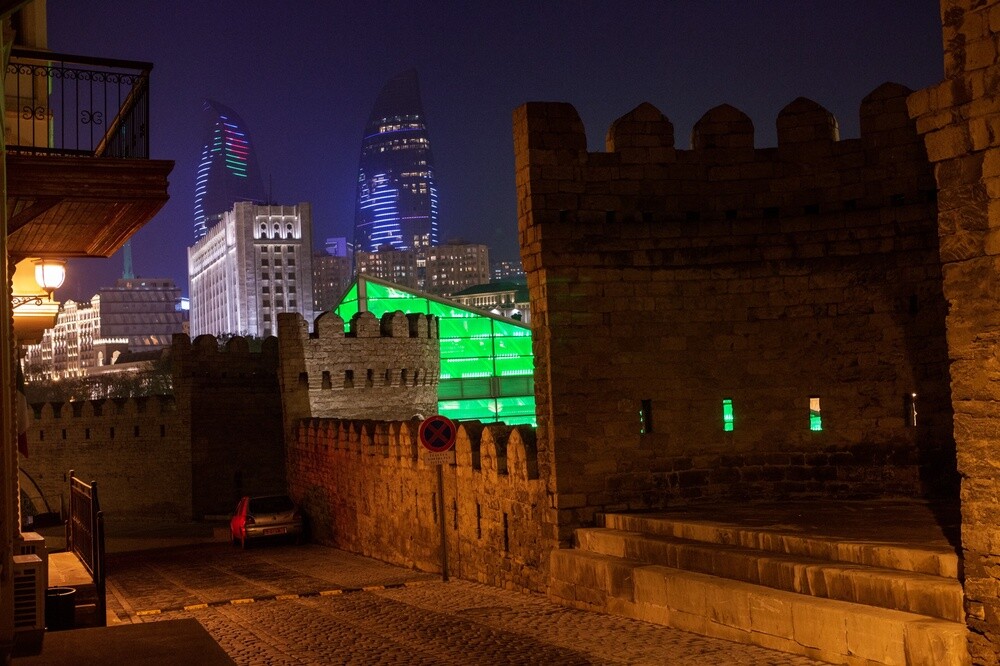
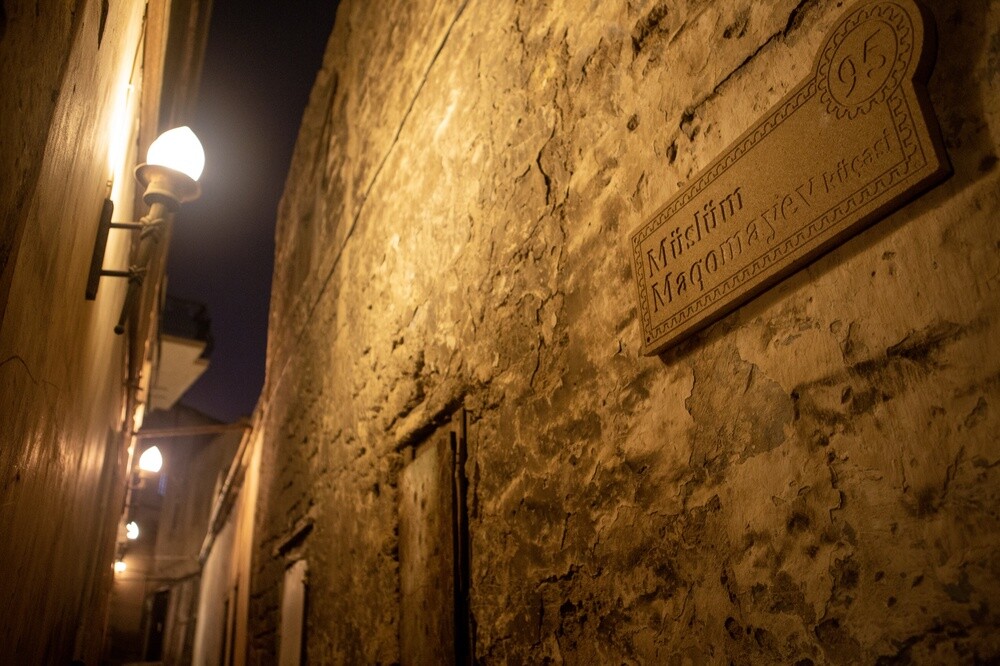
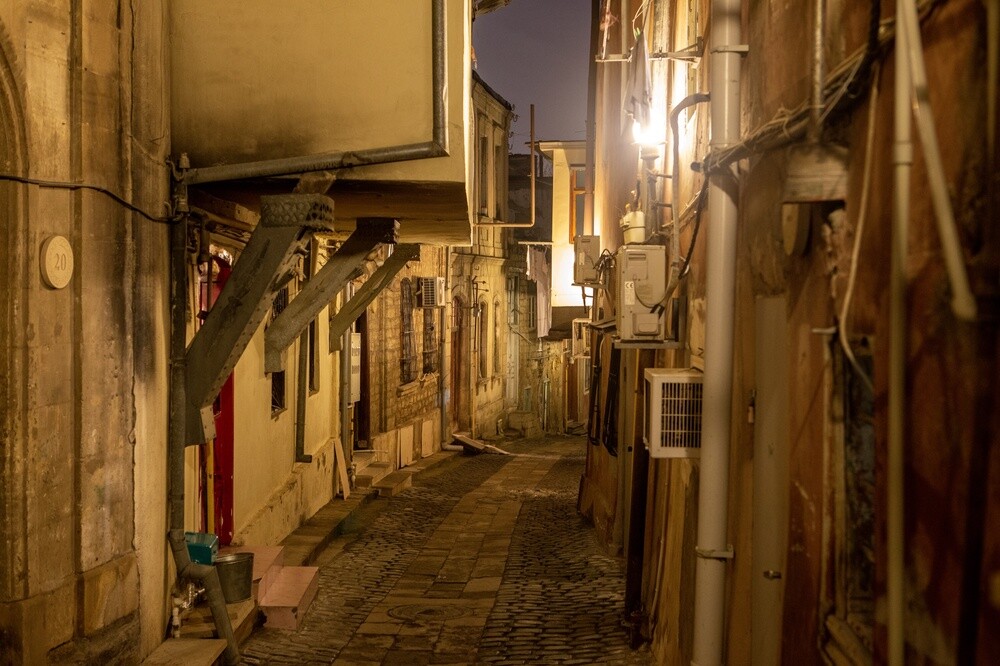
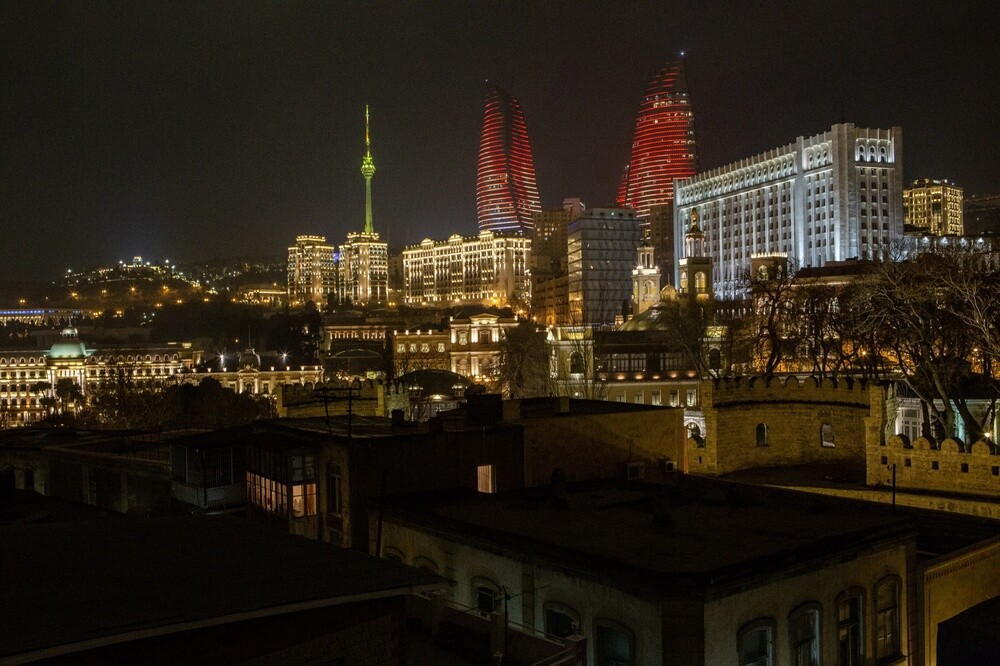
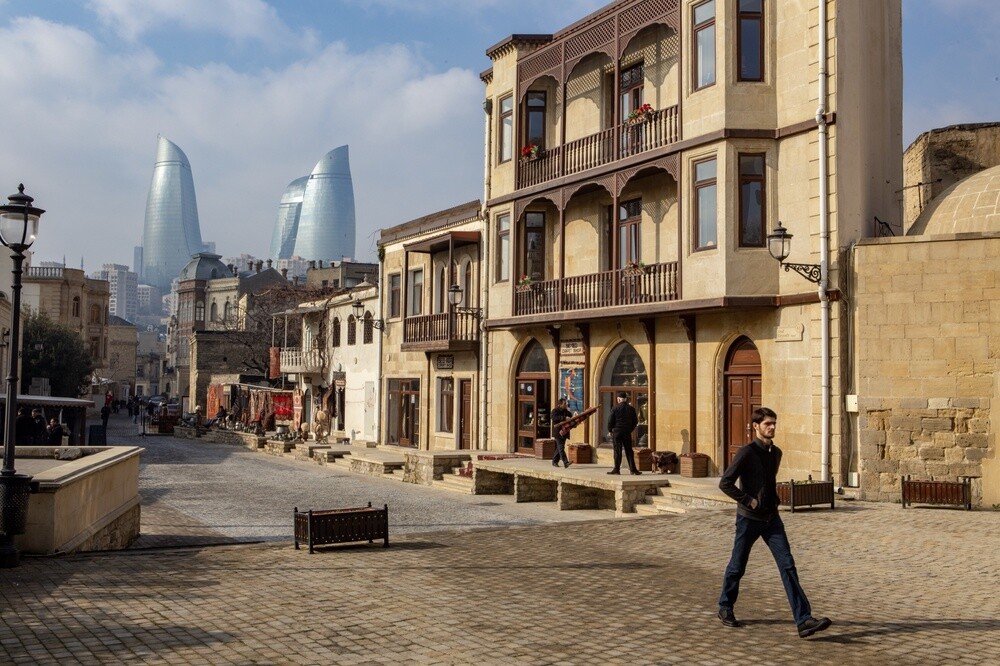
Departure at three in the morning and at half past five a taxi dropped me off in front of a small hotel in the Old Town. A few hours of sleep and around noon the first look out over the flat rooftops: medieval alleys and ramparts below, three giant glass flames above them. The Old Town, İçərişəhər in Azerbaijani, has been on the UNESCO list since 2000, together with the Palace of the Shirvanshahs and the Maiden Tower.

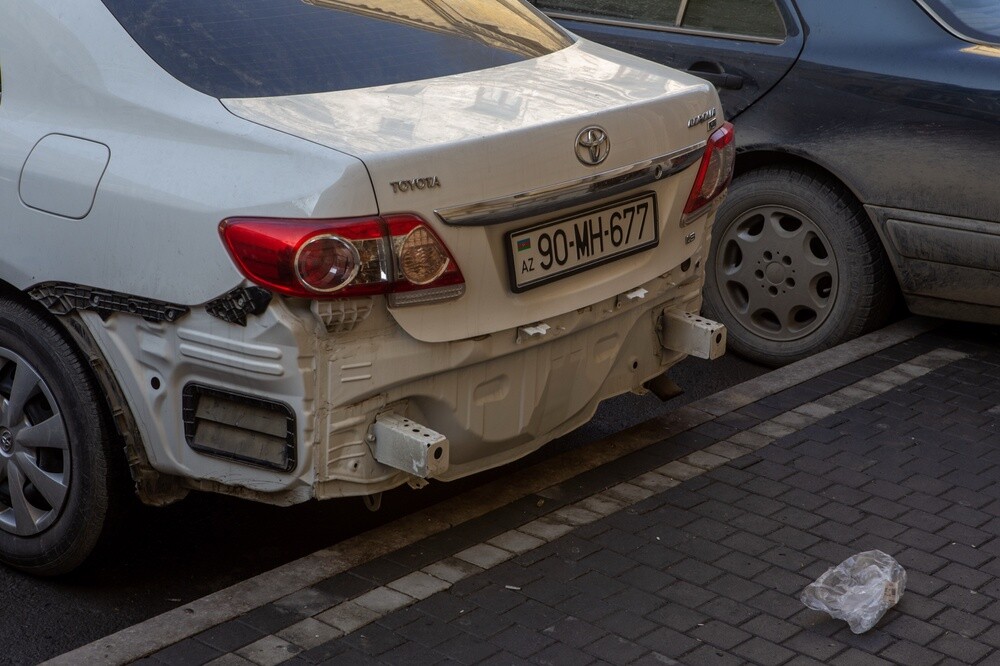
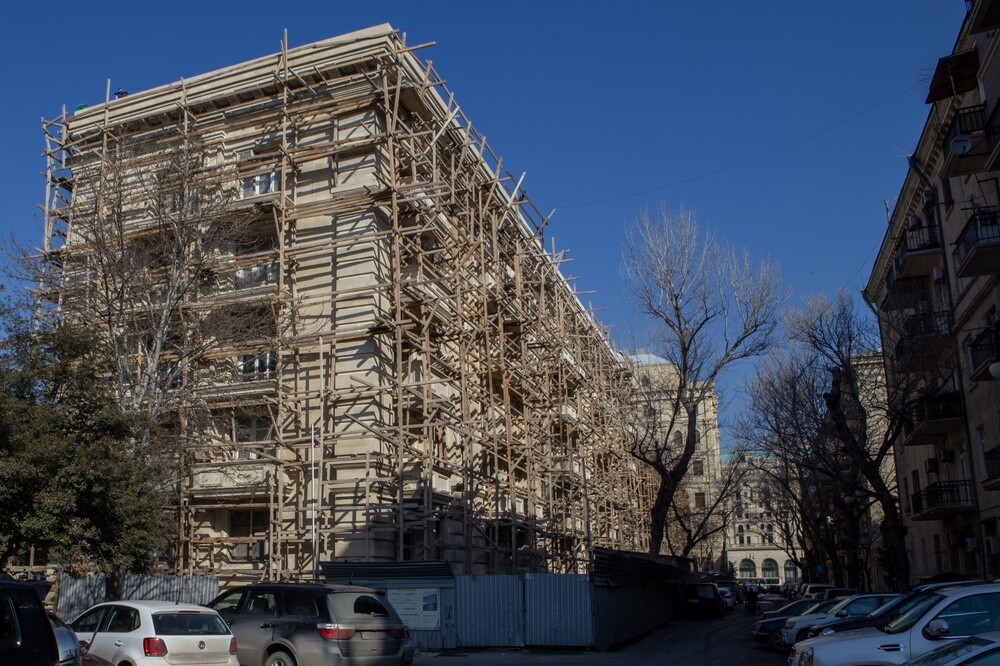
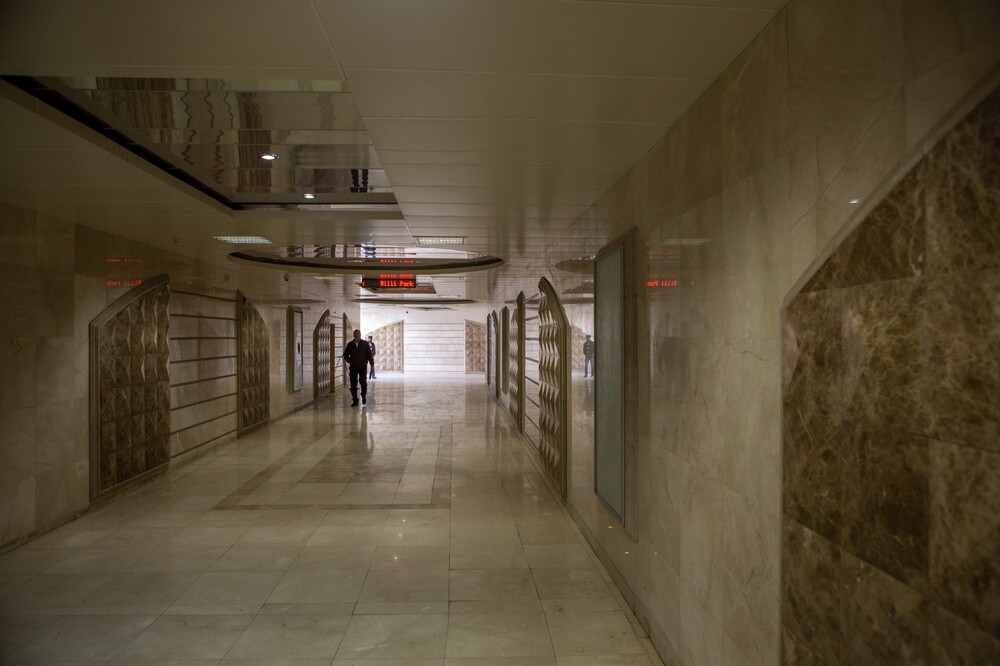
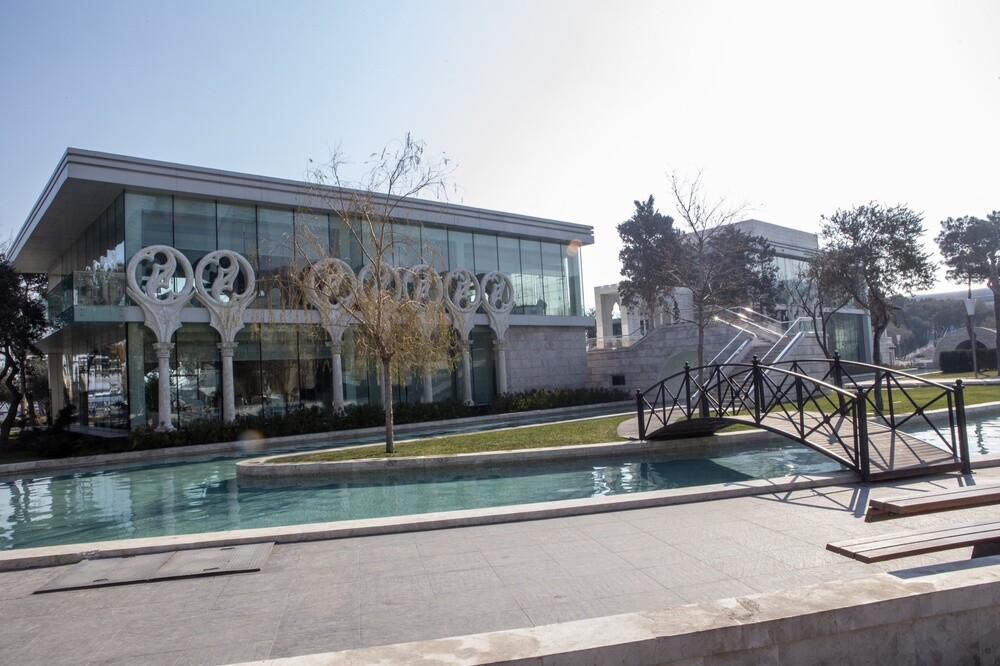
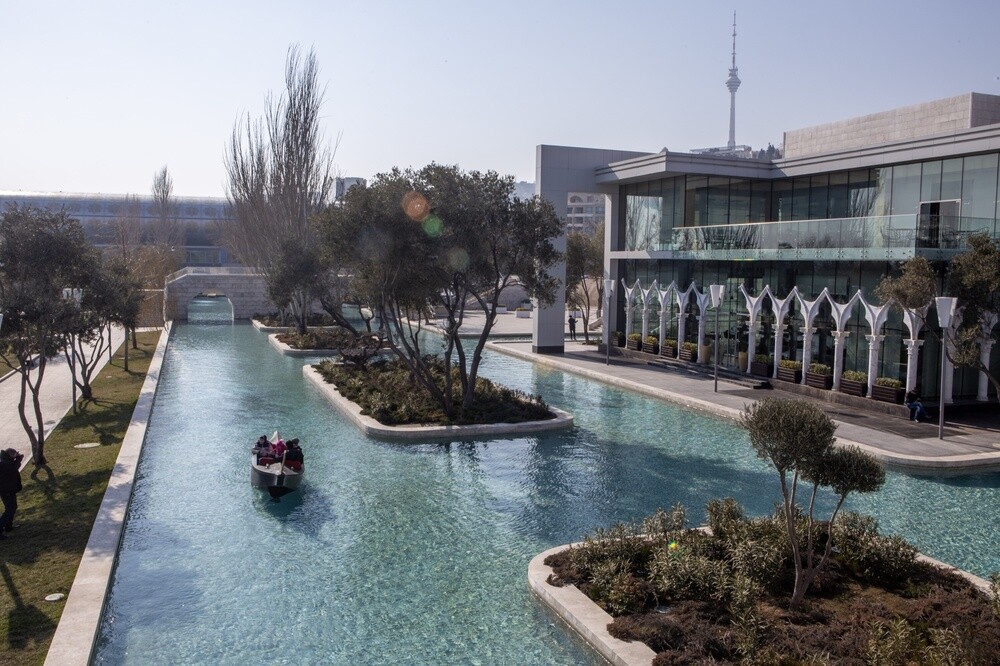
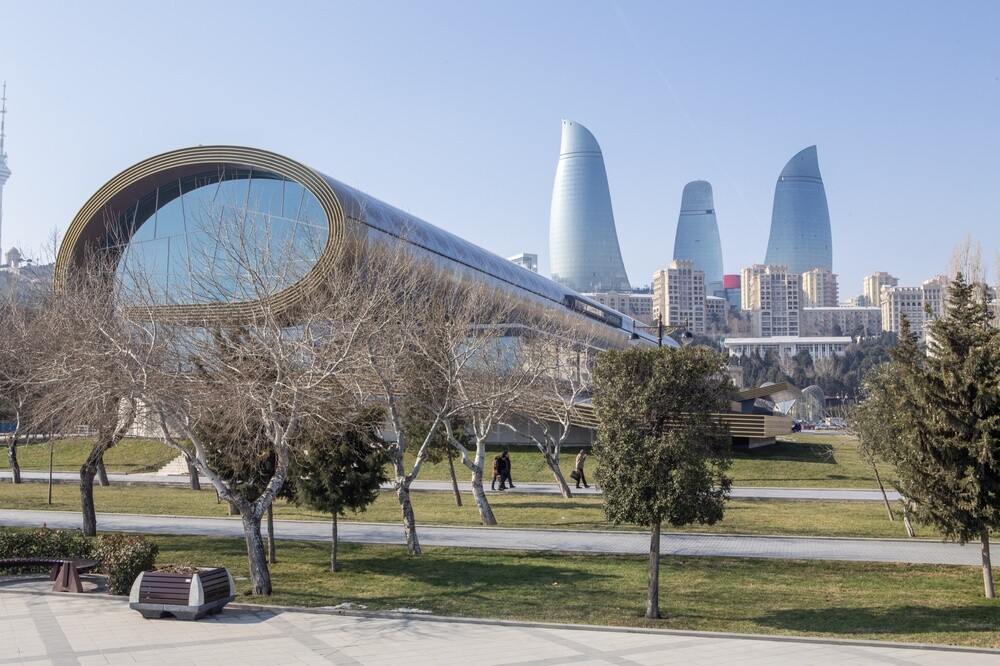
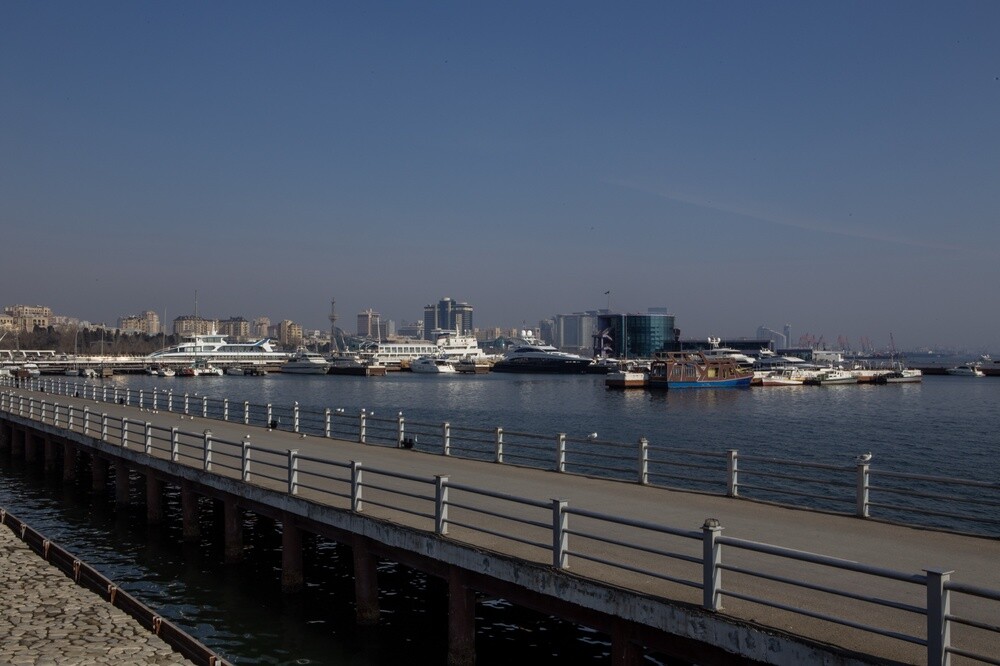
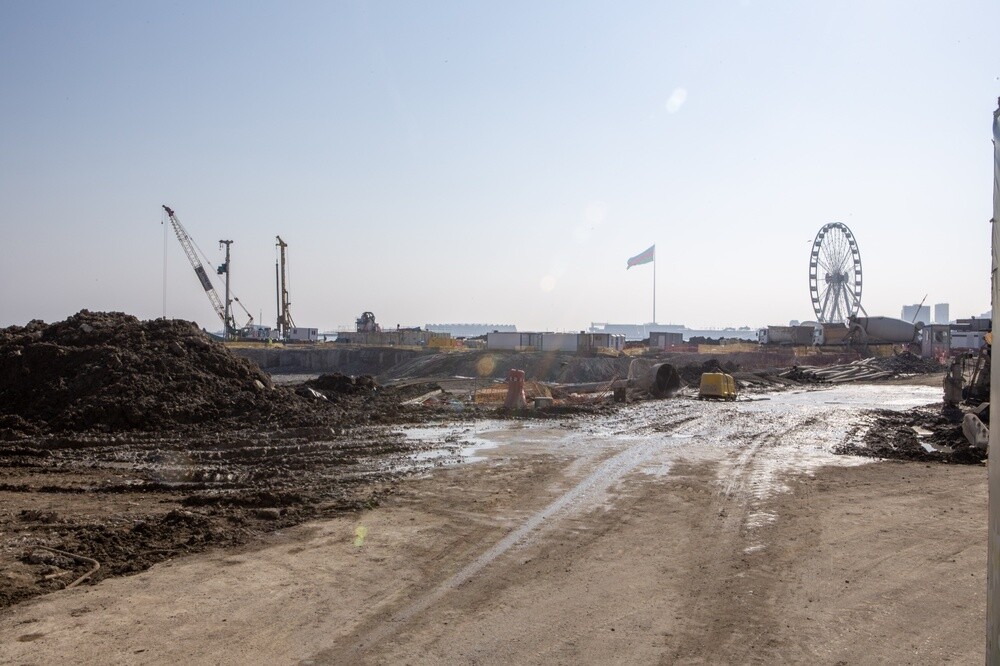
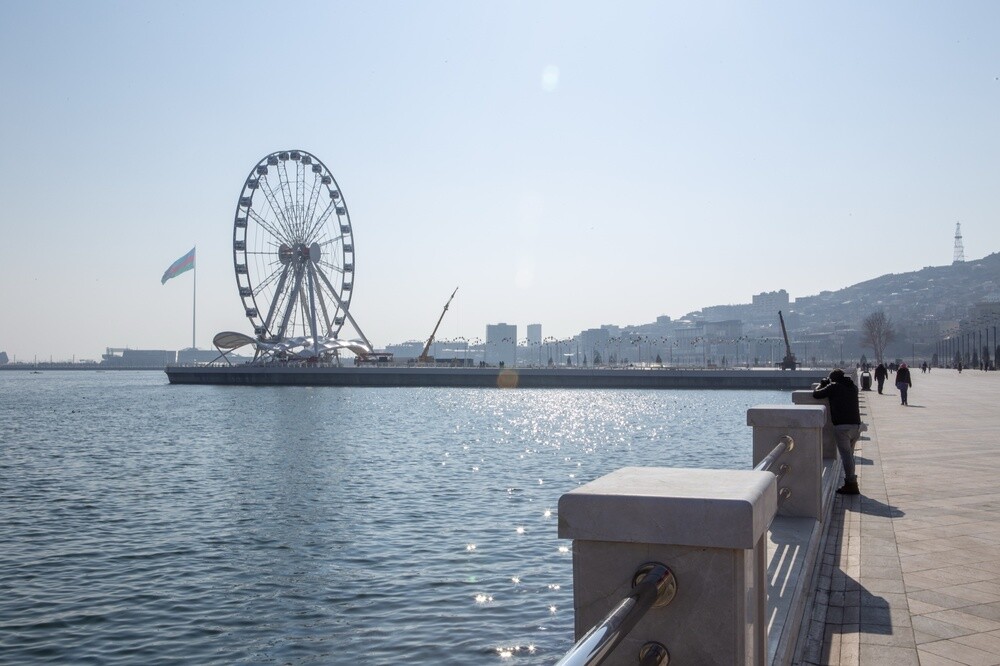
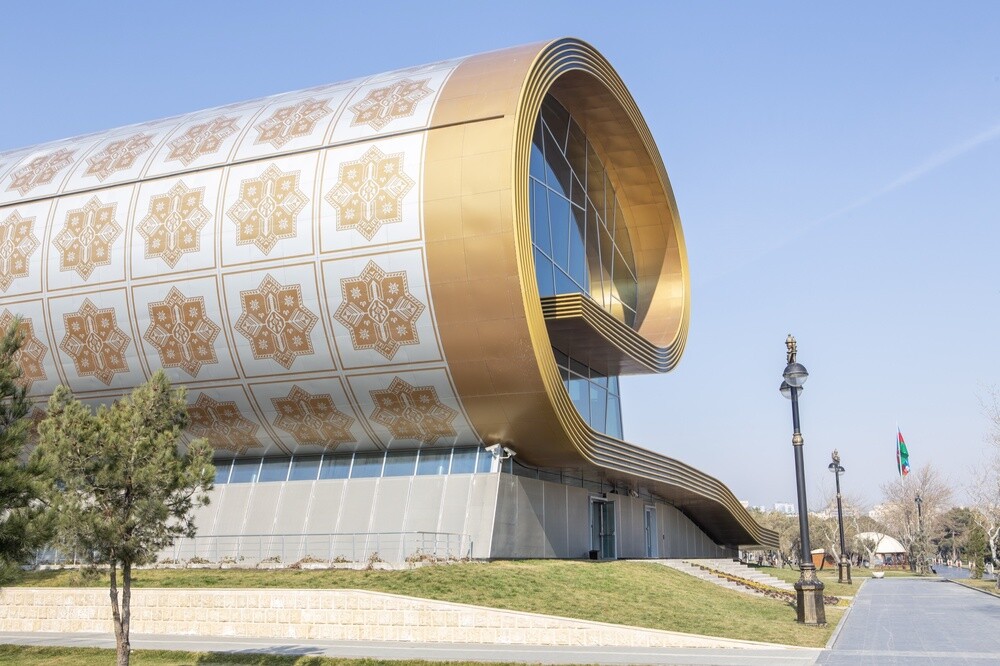
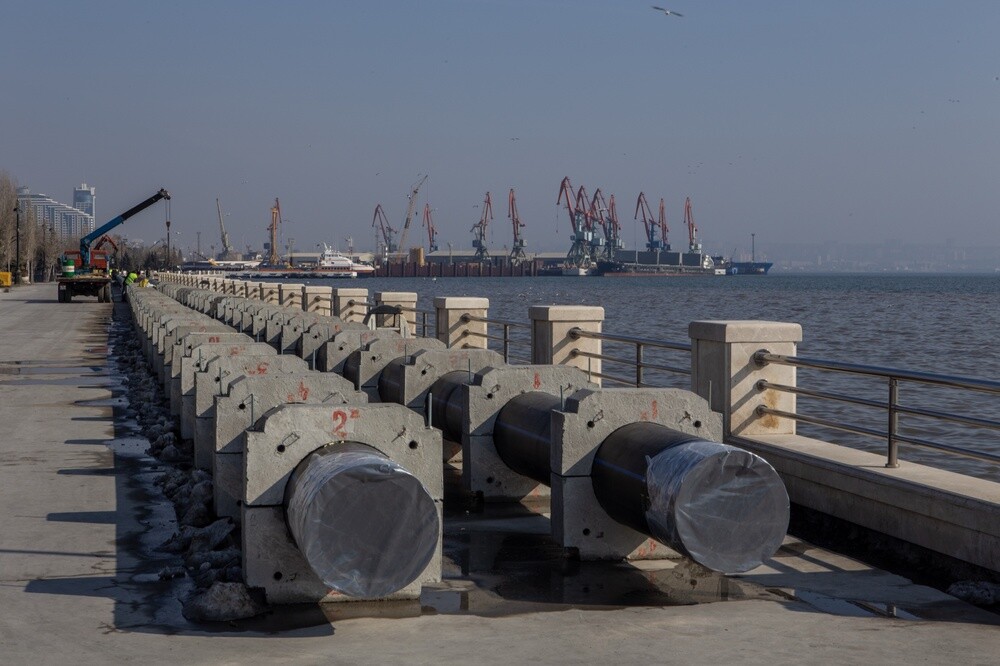
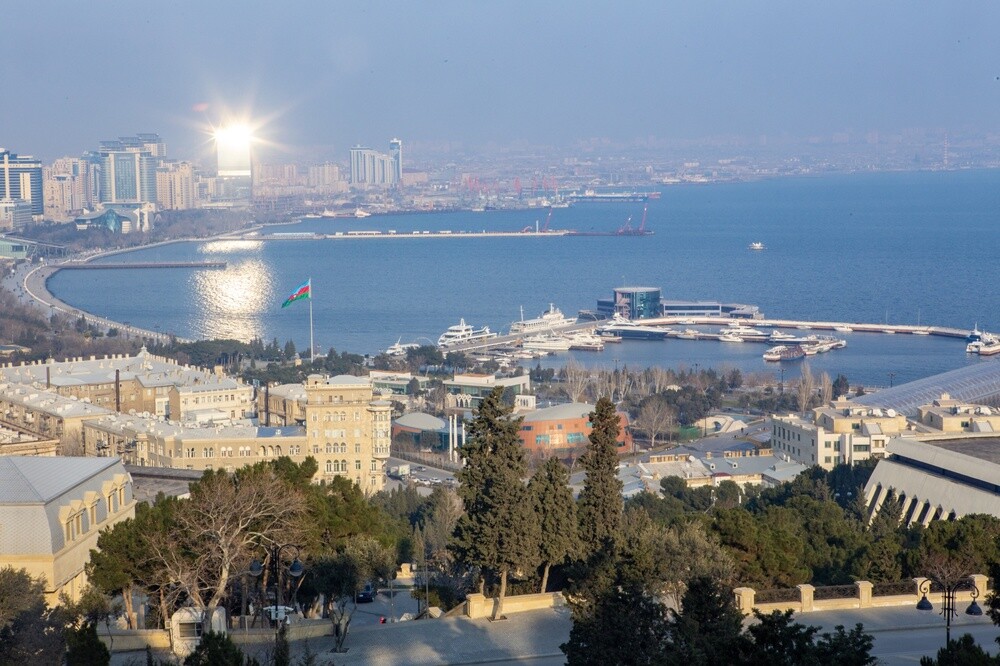
I set off on foot towards the sea. Right behind the walls a Toyota with its bumper torn off, entire buildings in scaffolding and a marble underpass as shiny as in some palace. The seaside boulevard stretches for kilometres along the Caspian Sea and is the city's main promenade. Just off it is Little Venice, artificial canals where in February they take people around in little boats. Above the boulevard the new Carpet Museum building was going up, shaped like a rolled-up carpet, designed by Austrian architect Franz Janz. It only opened in August 2014, half a year after me. The museum itself has been running since 1967 and, by its own account, was the very first carpet museum in the world. Next to it stood a Ferris wheel and a muddy construction site.

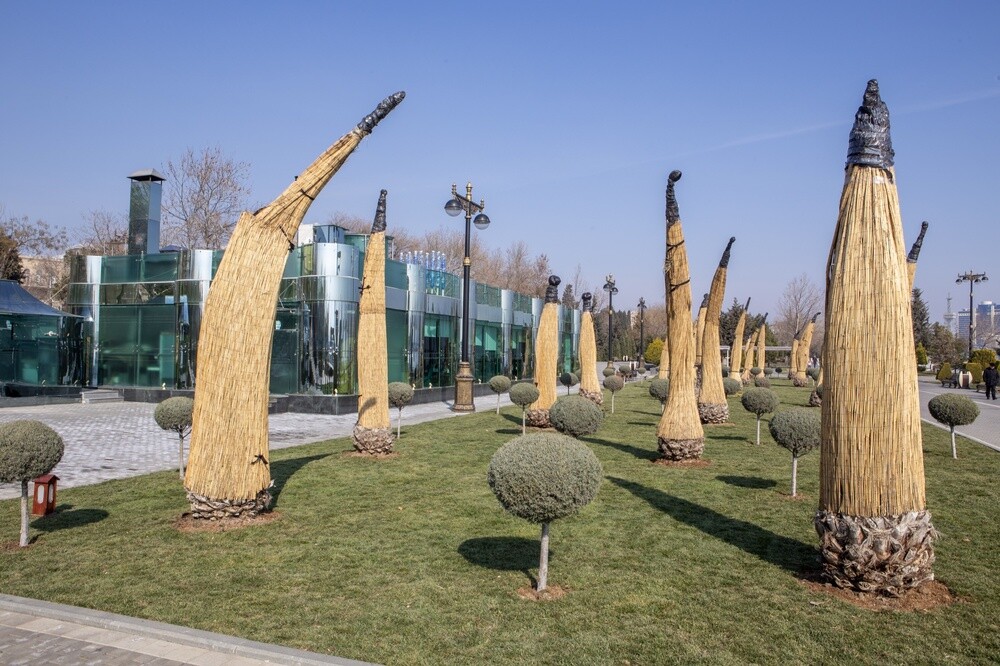
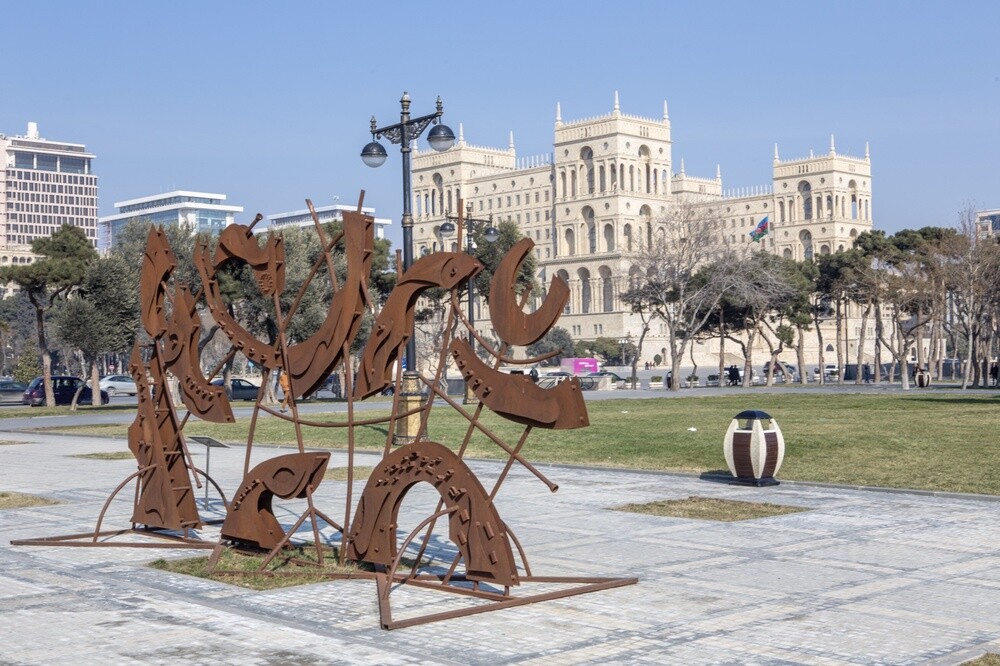
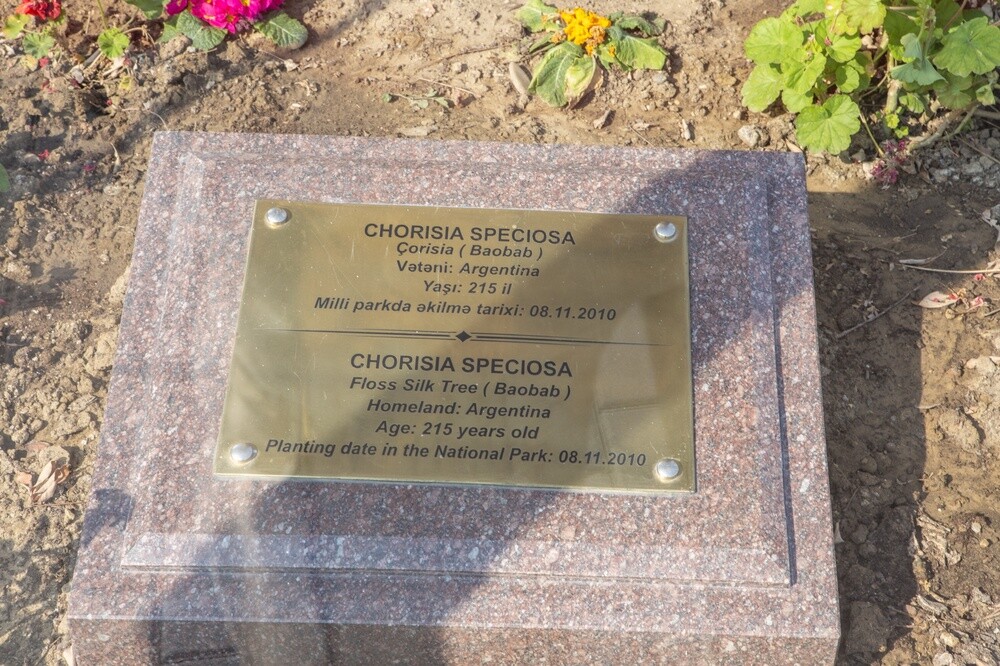
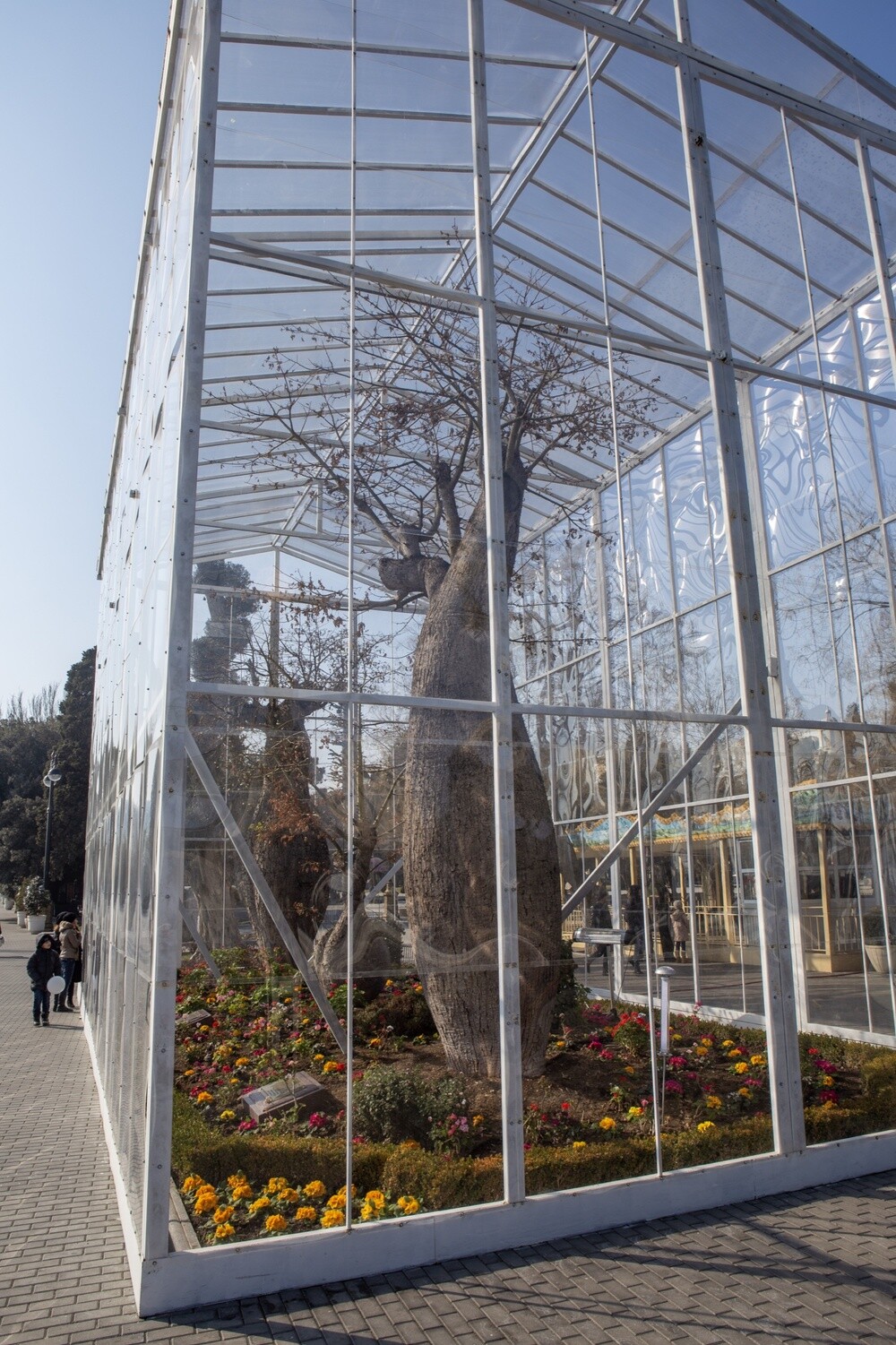
In the park by the Government House I came across a plaque that told me more about Baku than any guidebook. Chorisia speciosa, the "baobab", native to Argentina, age 215 years, planted in the National Park on 8 November 2010. So they brought themselves a two-hundred-year-old tree all the way from Argentina. Why not, when you can afford it.

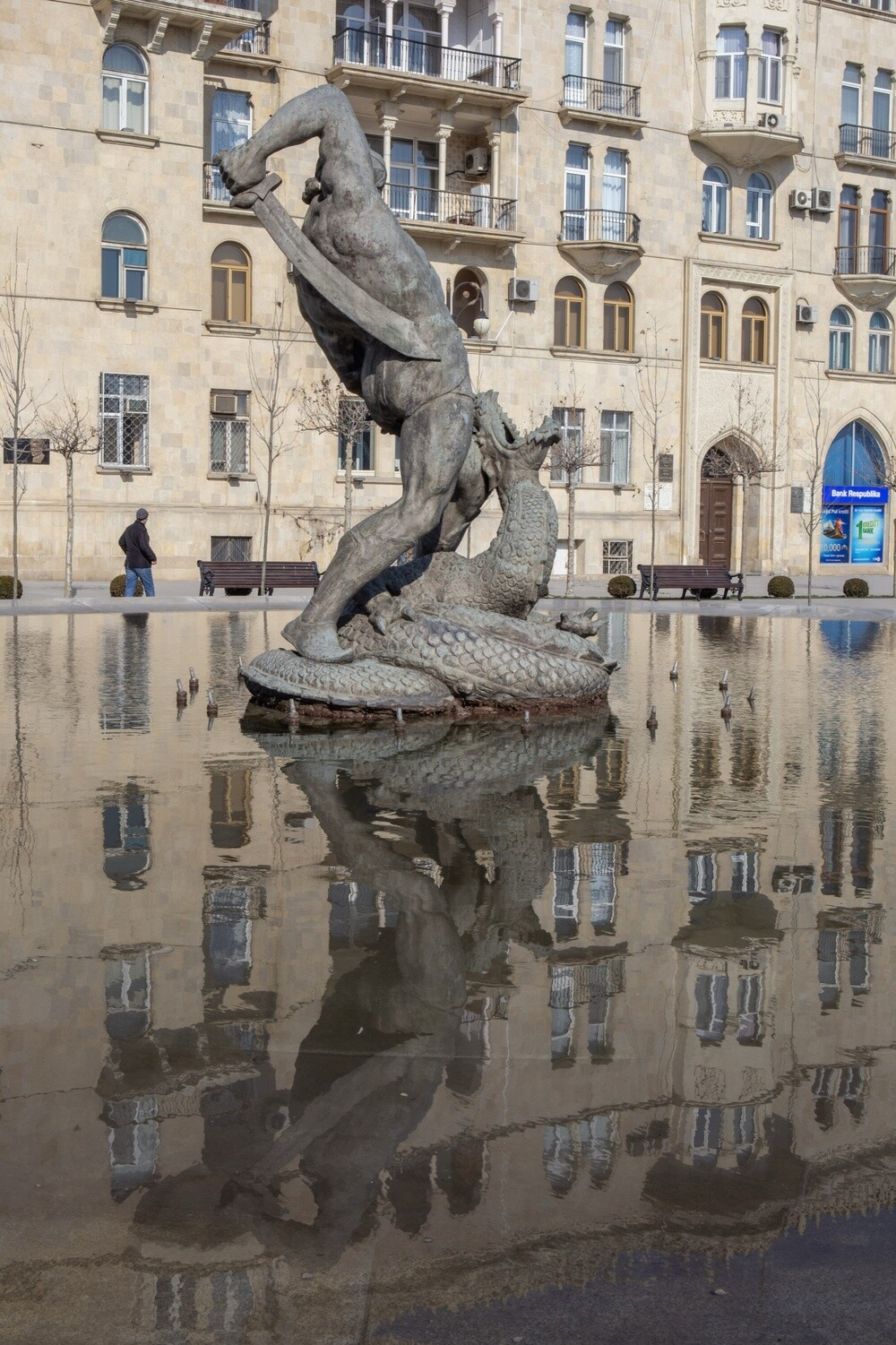
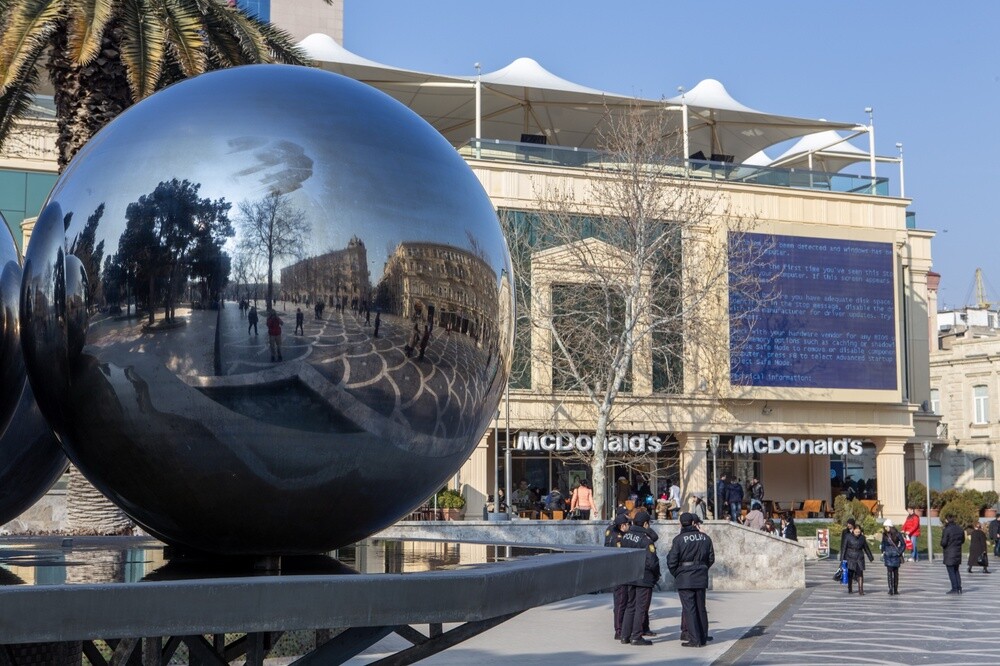
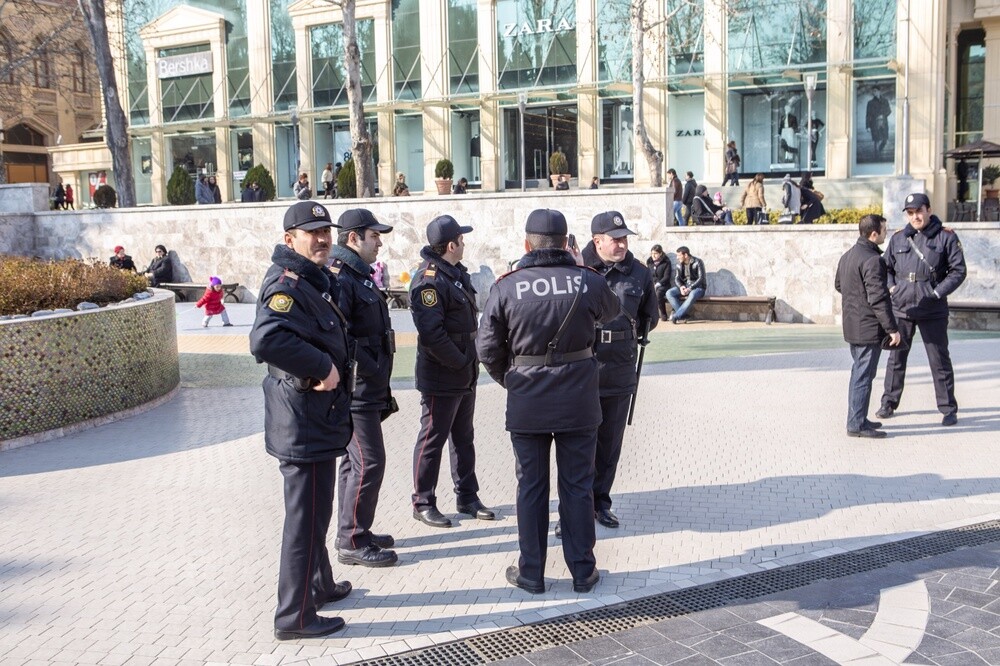
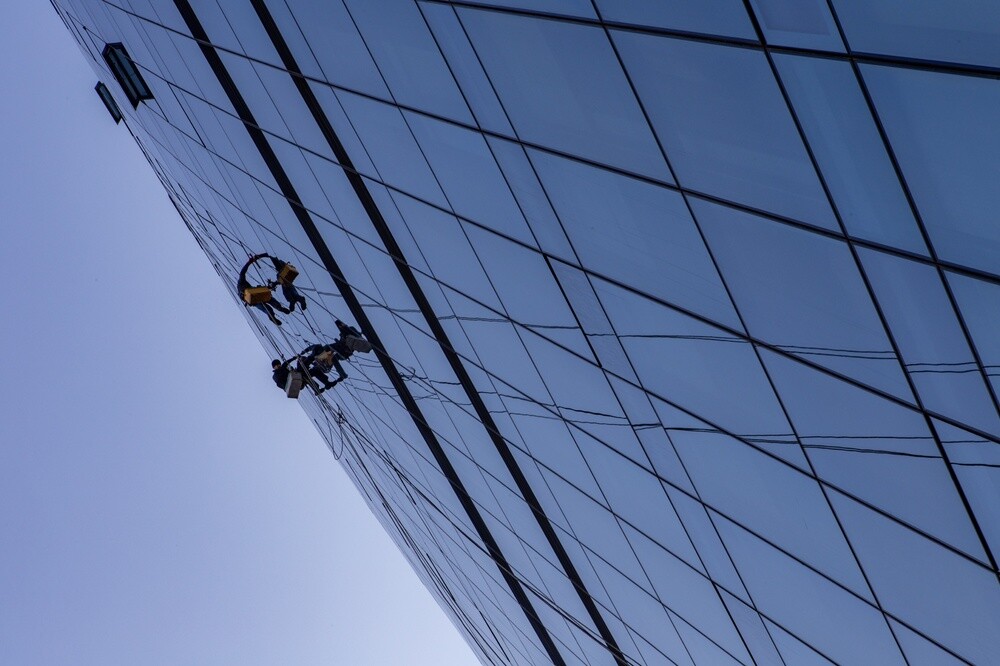
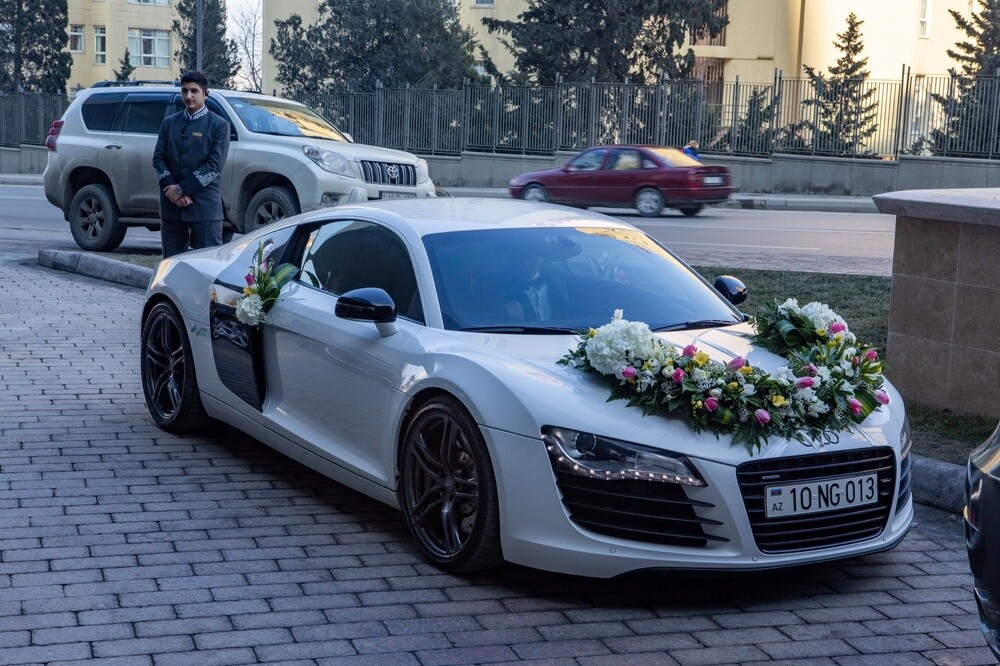
Fountains Square is sort of Baku's living room. A cluster of policemen, a giant mirrored ball, a McDonald's, an LED screen covering half a building and couples strolling in between. And then, maybe three hundred metres below the Flame Towers, crumbling single-storey houses, mud and chickens in the street. That's the muddy chicken coop from the intro. At the foot of the towers a wedding Audi R8 decked out in flowers was parked, and window cleaners were being lowered on ropes down the glass of one of the towers.

I have to correct myself here. The "modern hotel with an entire 60-storey wall made of LCD screens" is the Flame Towers, three flame-shaped towers completed in 2012. The tallest of them has 39 floors and stands about 182 metres. So I made up those sixty floors 🙂 And they're not LCD screens, the facades are fitted with roughly ten thousand LED lights and at night flames lick up them or the Azerbaijani flag flutters across them. The mosque next door is Şəhidlər, right by the Alley of Martyrs above the city.

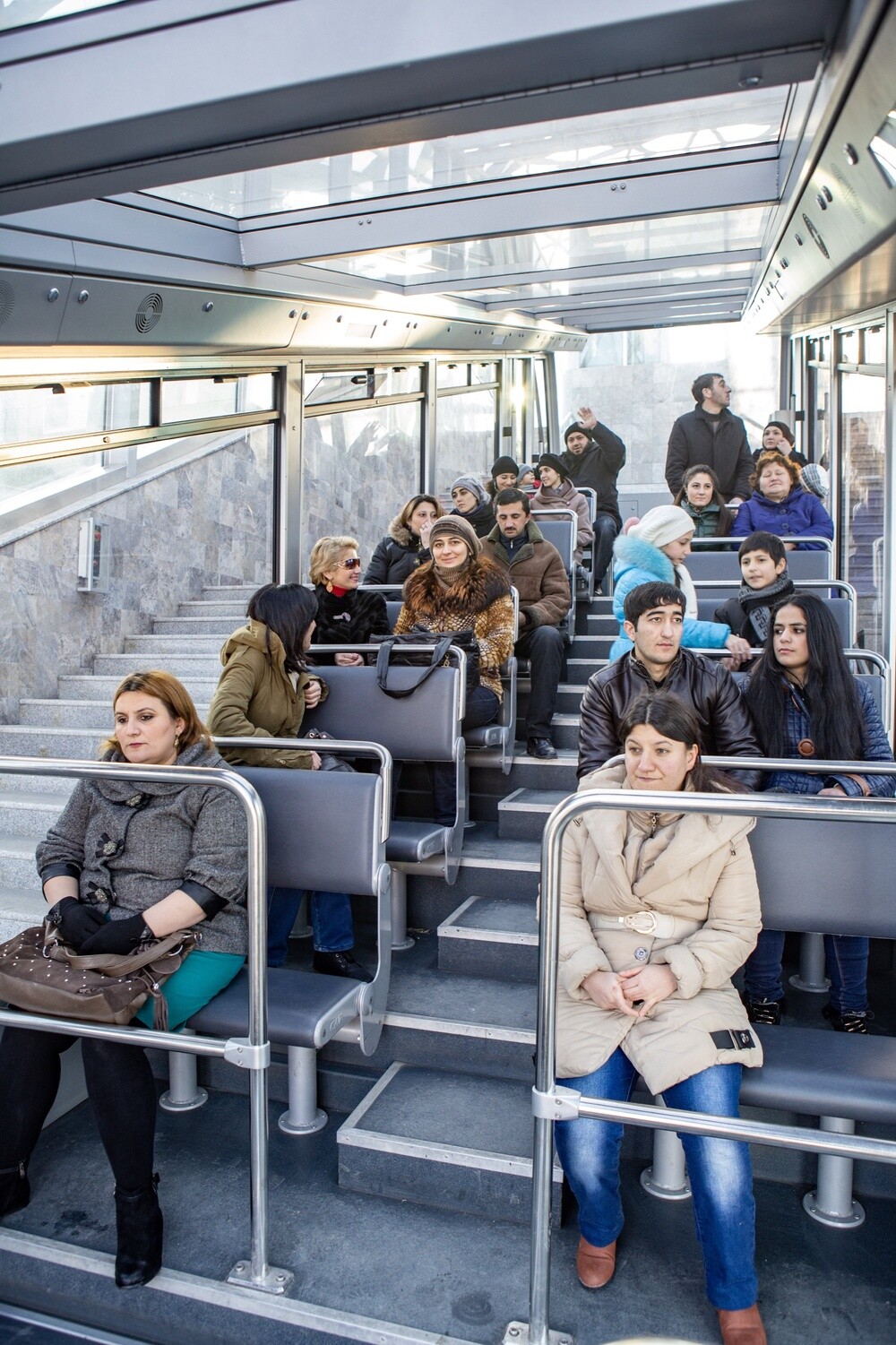
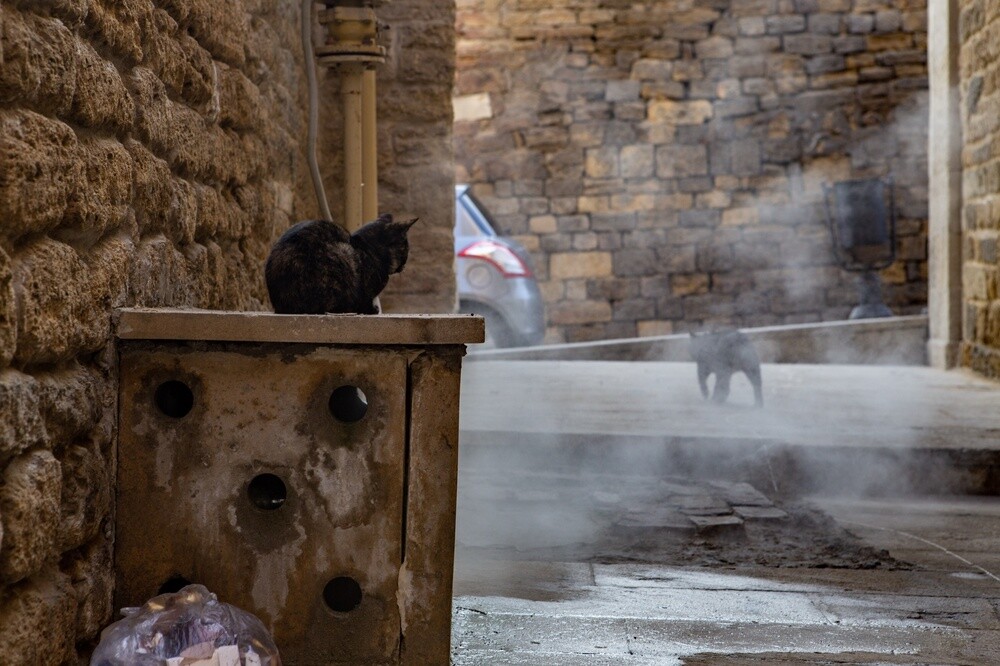
A funicular goes up to Highland Park, 455 metres long and back in operation since May 2012 after a reconstruction. I took a ride and from up there you can see the whole bay, the boulevard and the port. On the way back through the Old Town I was amused by the cats basking on a pipe with hot steam.

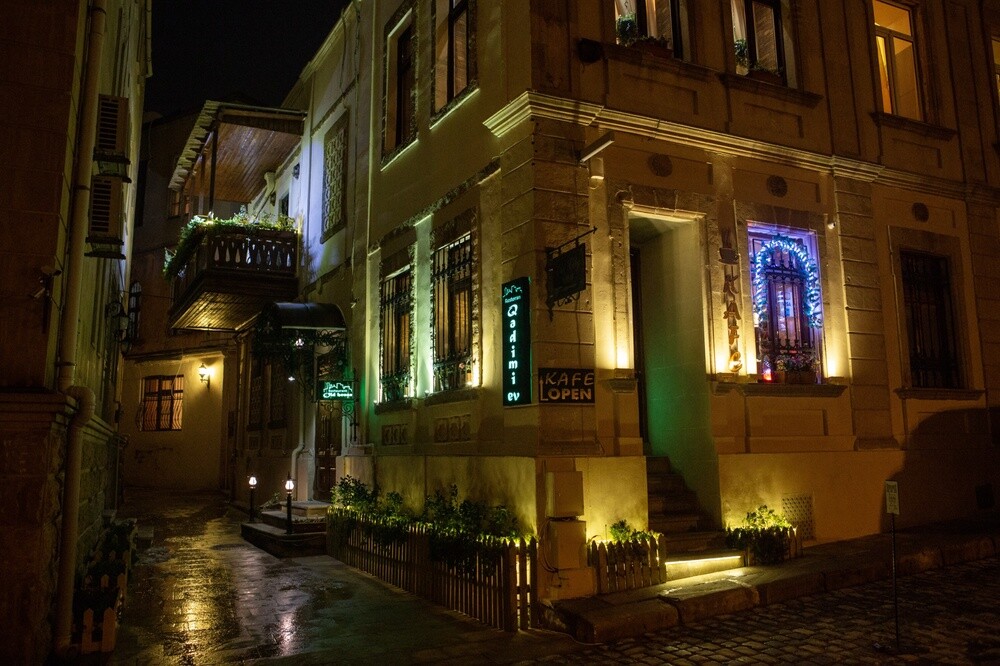
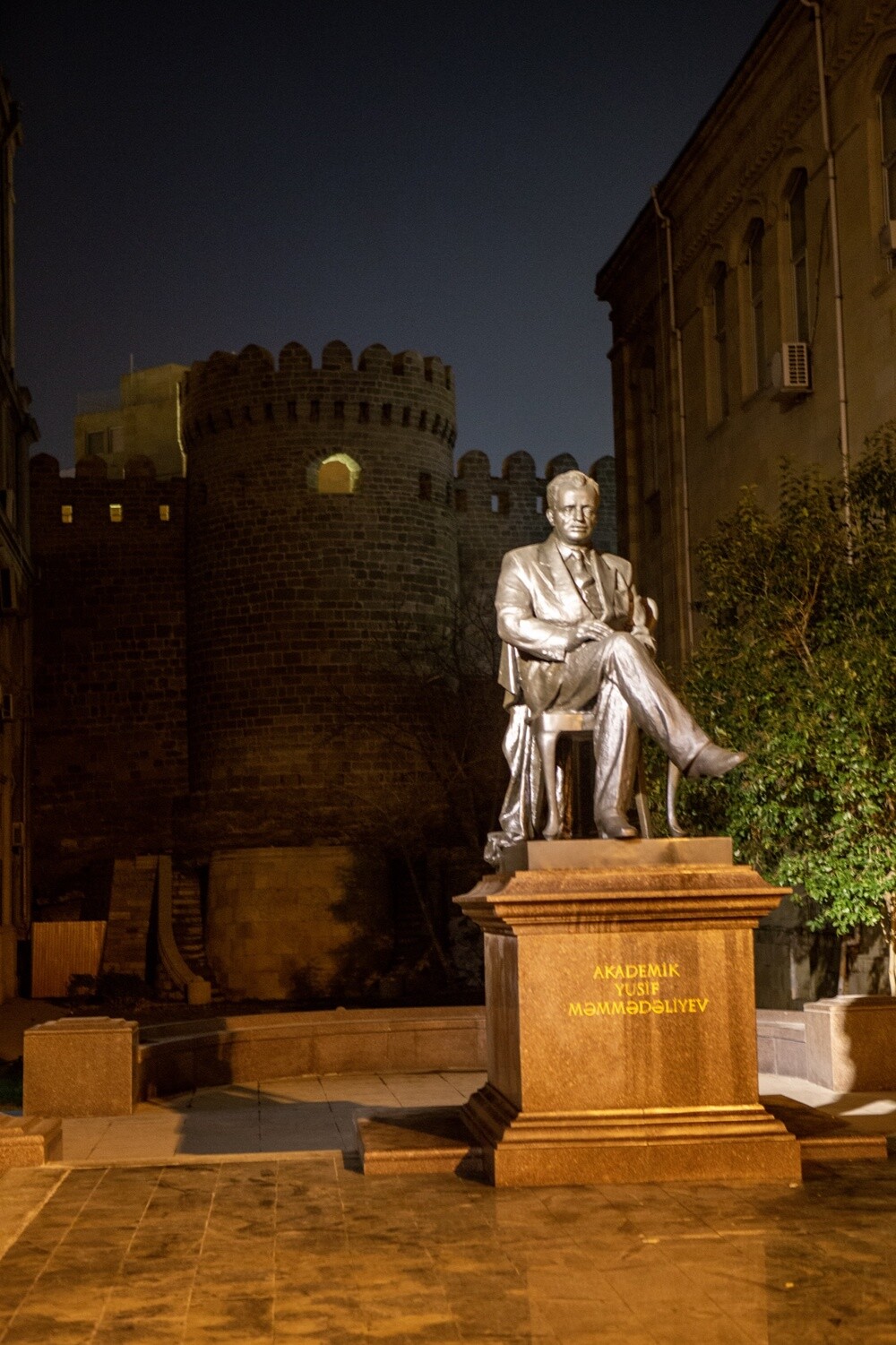
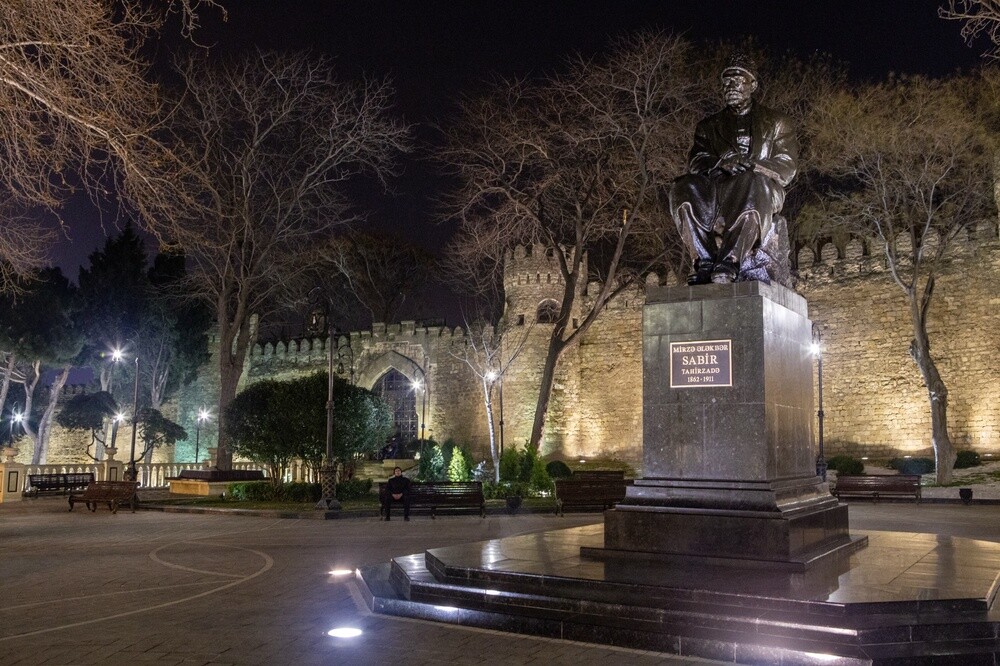
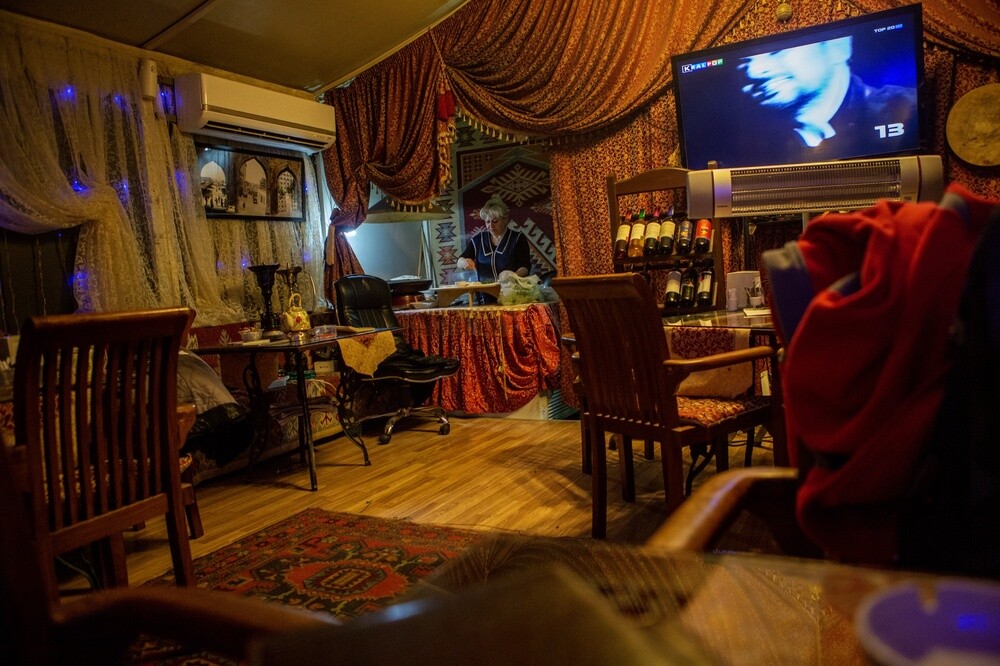
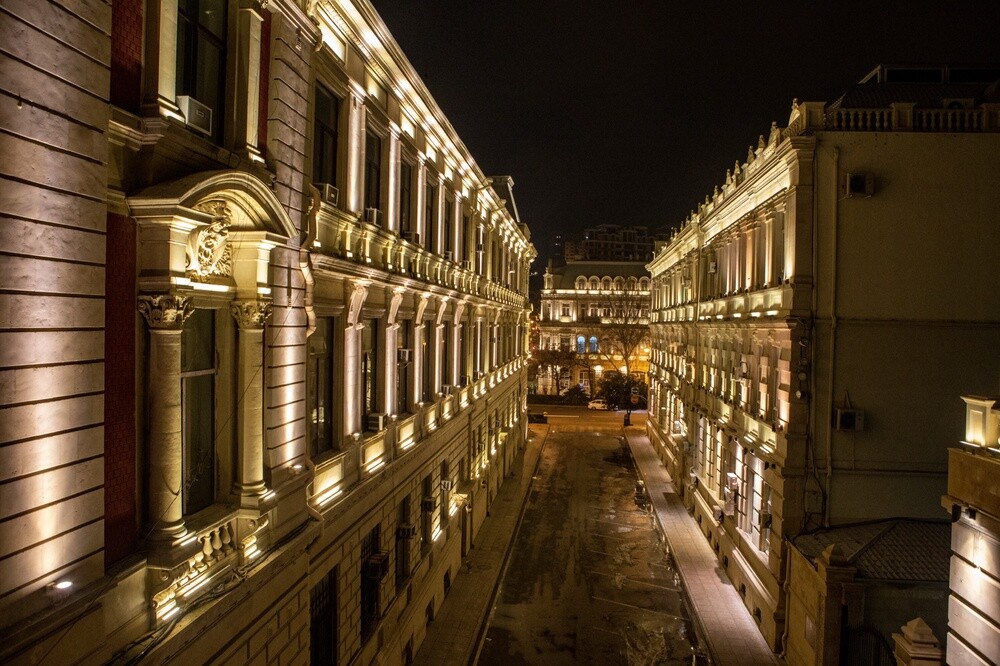
In the evening I walked through the Old Town once more. After dark the alleys are almost empty, the walls are lit up and above them the Flame Towers burn. Dinner in a restaurant full of carpets, with a TV in the corner, and before bed one more look at the night city from the hotel.

Sunday 9 February 2014, Baku

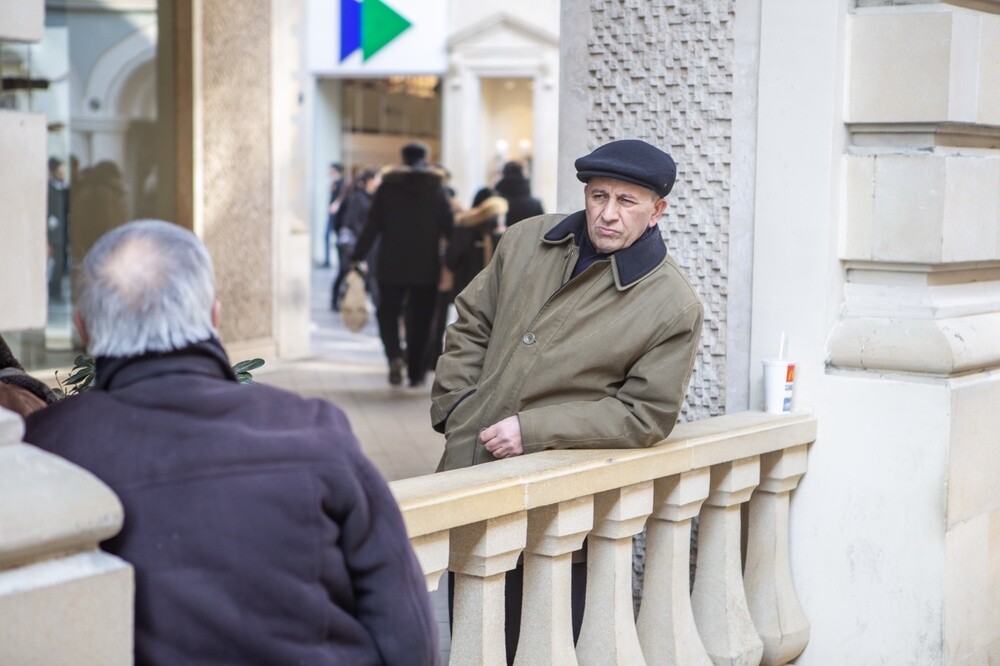
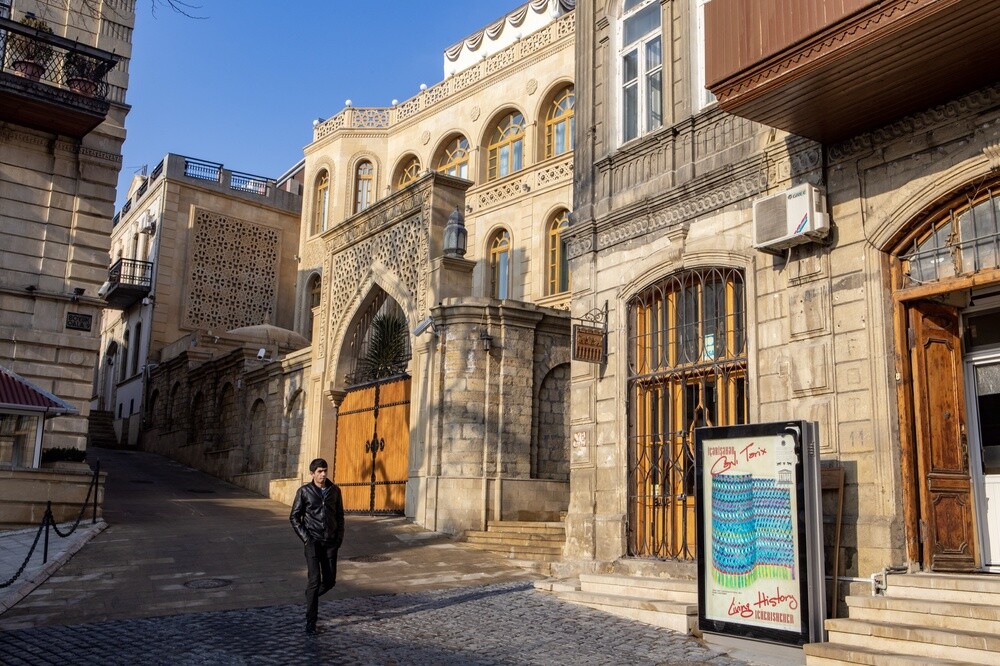
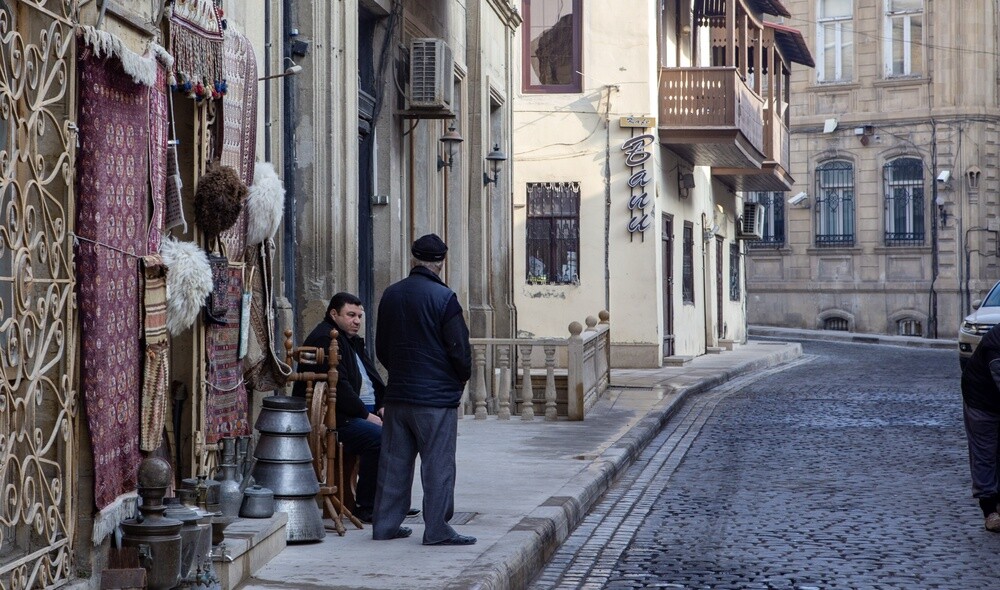
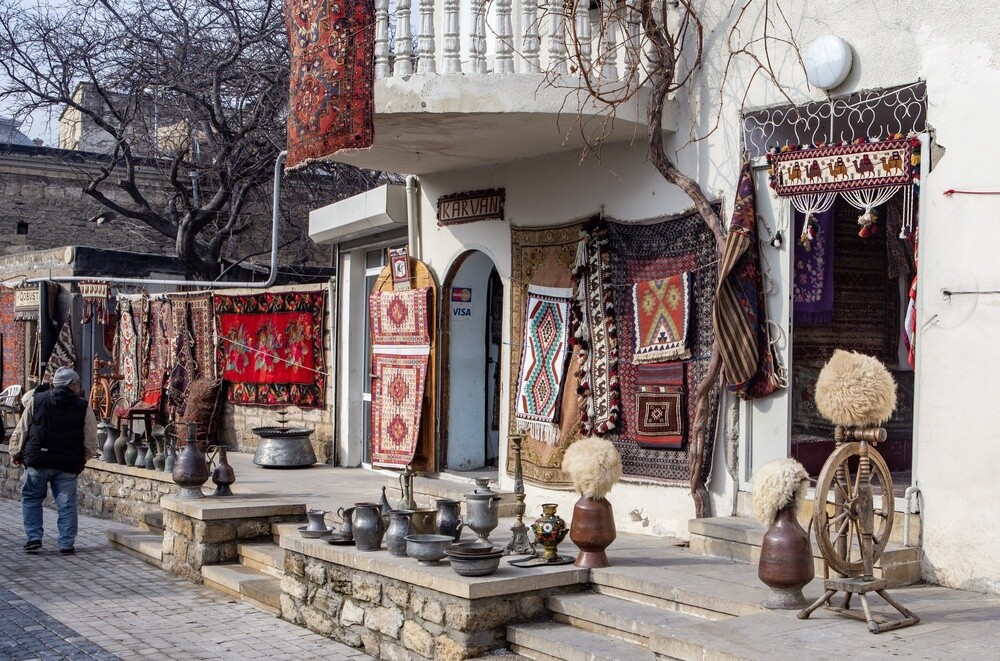
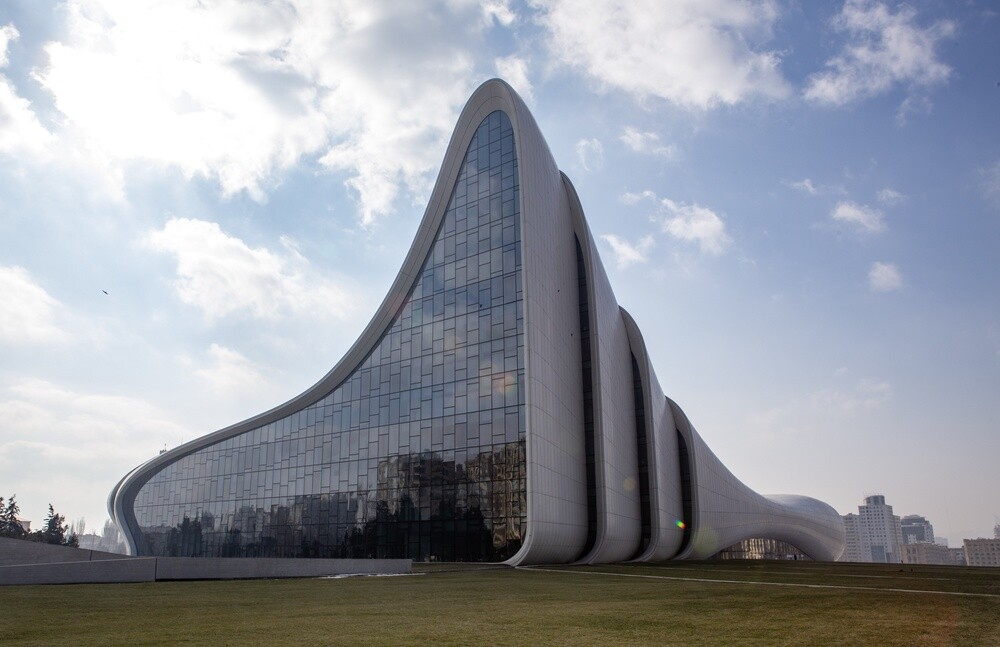
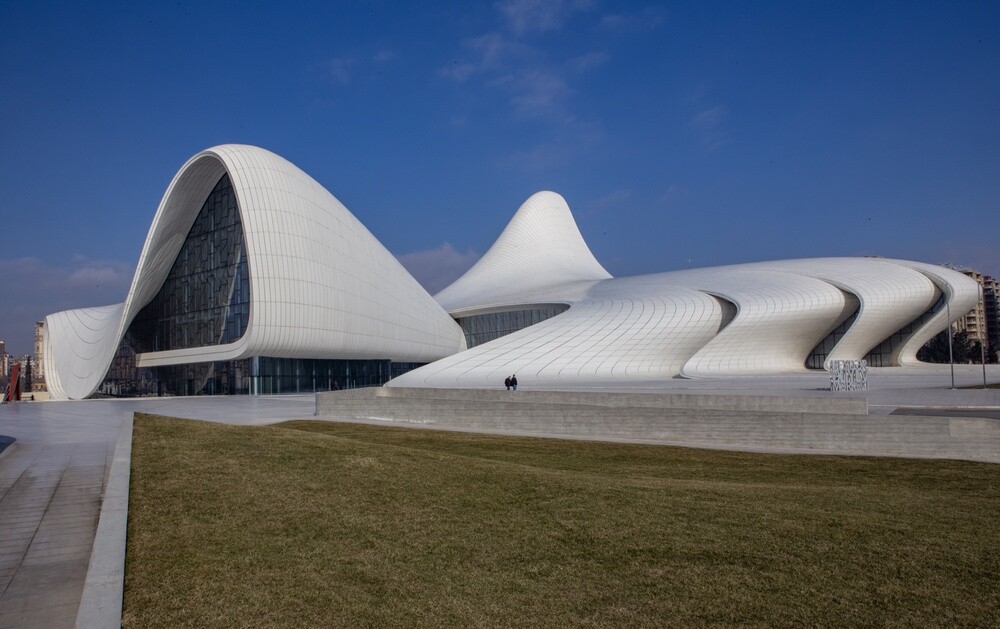
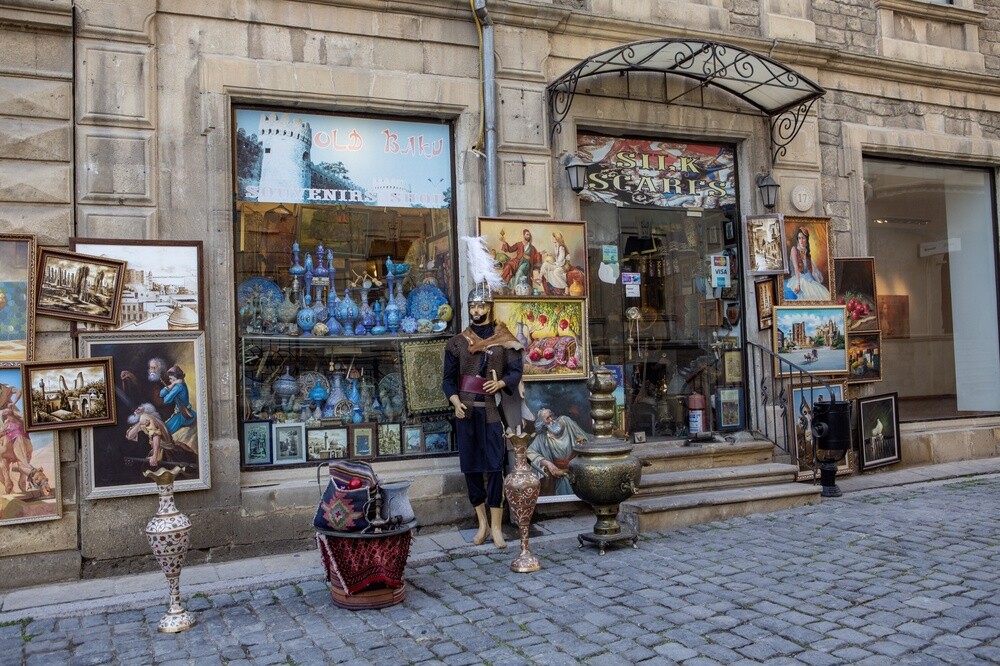
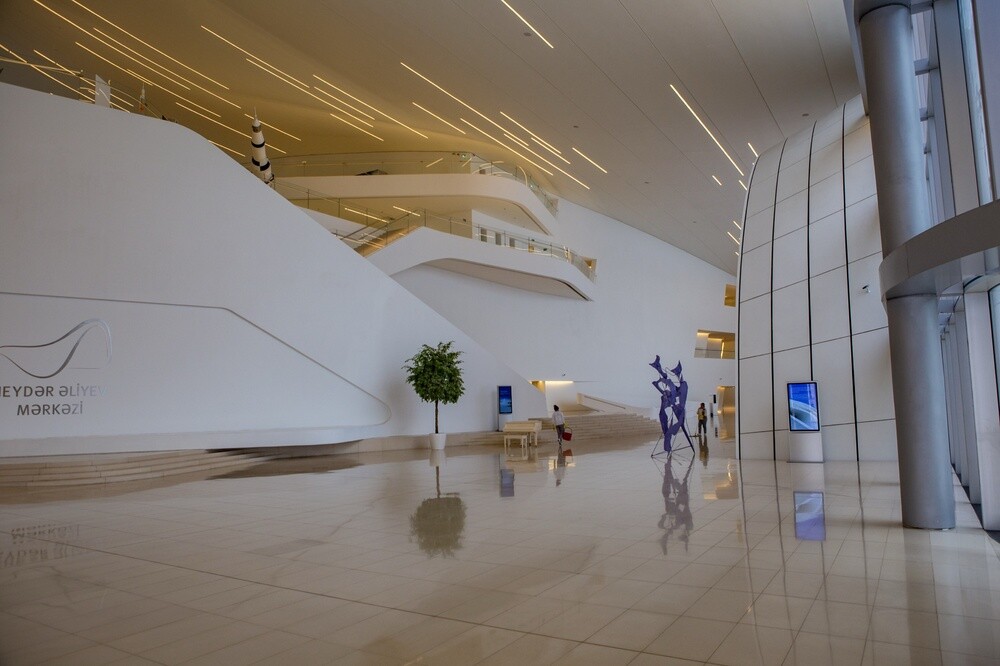
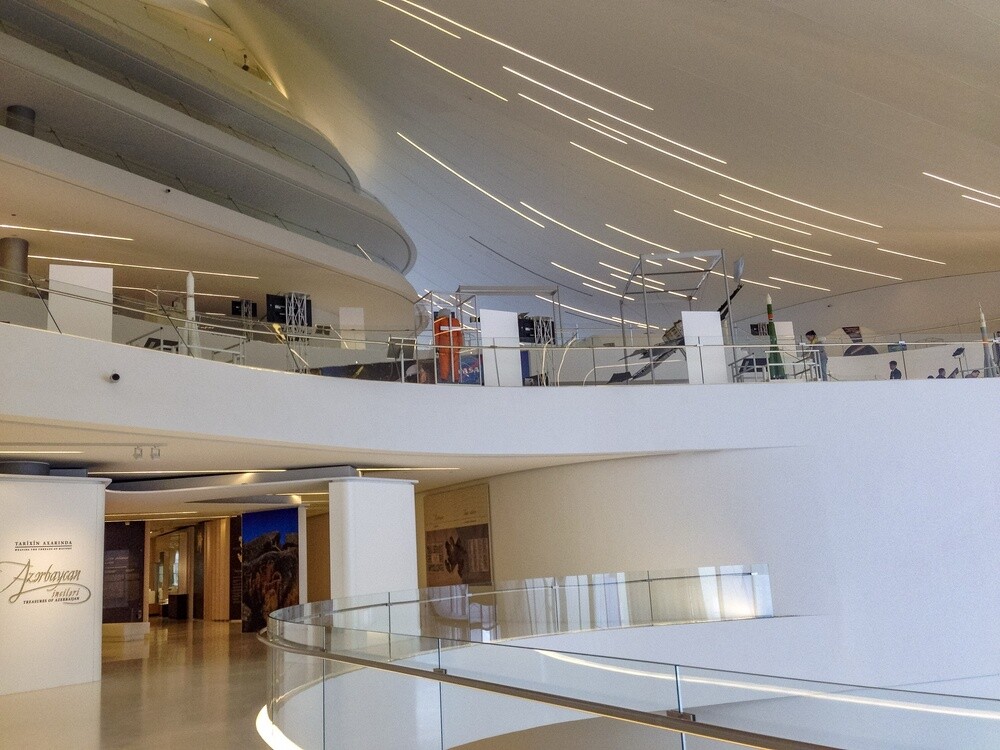
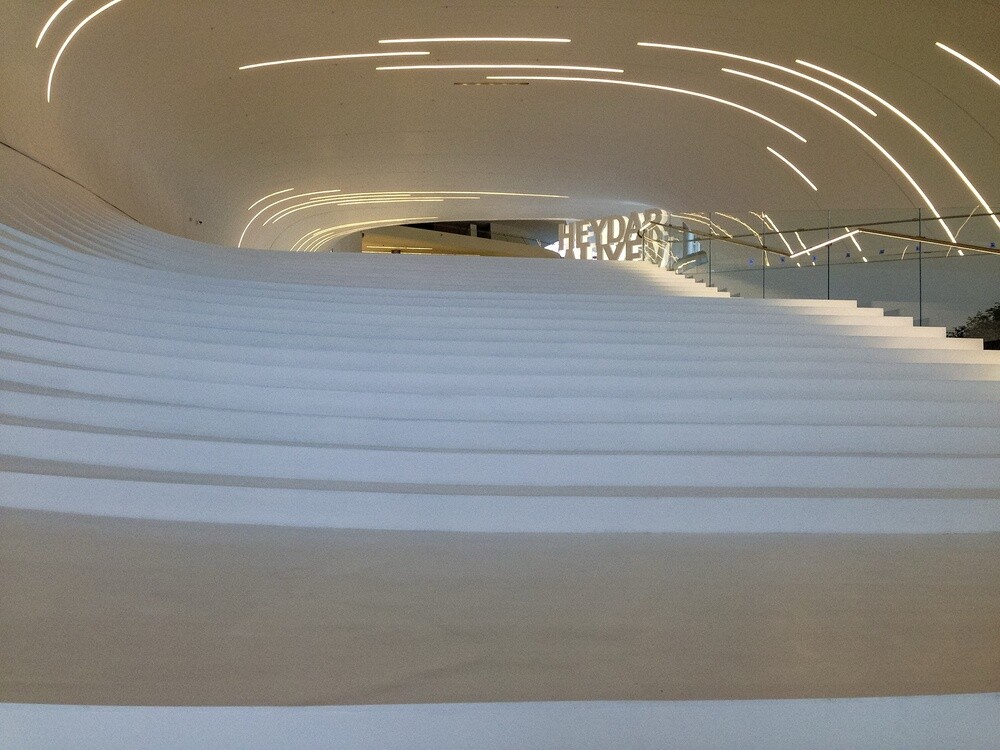
In the morning the Old Town again: shops with carpets stacked right out onto the street, ceramics, older gentlemen in no hurry whatsoever. Then I went to have a look at that "museum the size of the most amazing president". It's the Heydar Aliyev Center, a cultural centre named after the president of 1993–2003, the father of the current one. It was designed by Zaha Hadid and opened in 2012. A white wave without a single straight corner, which in the summer of 2014 London's Design Museum named design of the year, the first building and the first work by a woman in the history of that award. That day I only saw it from the outside.

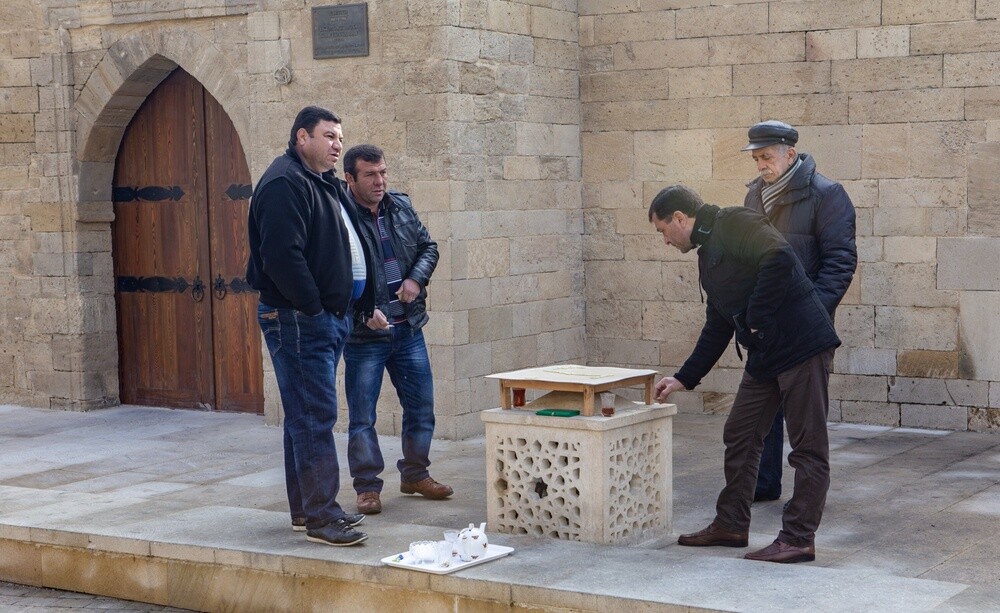
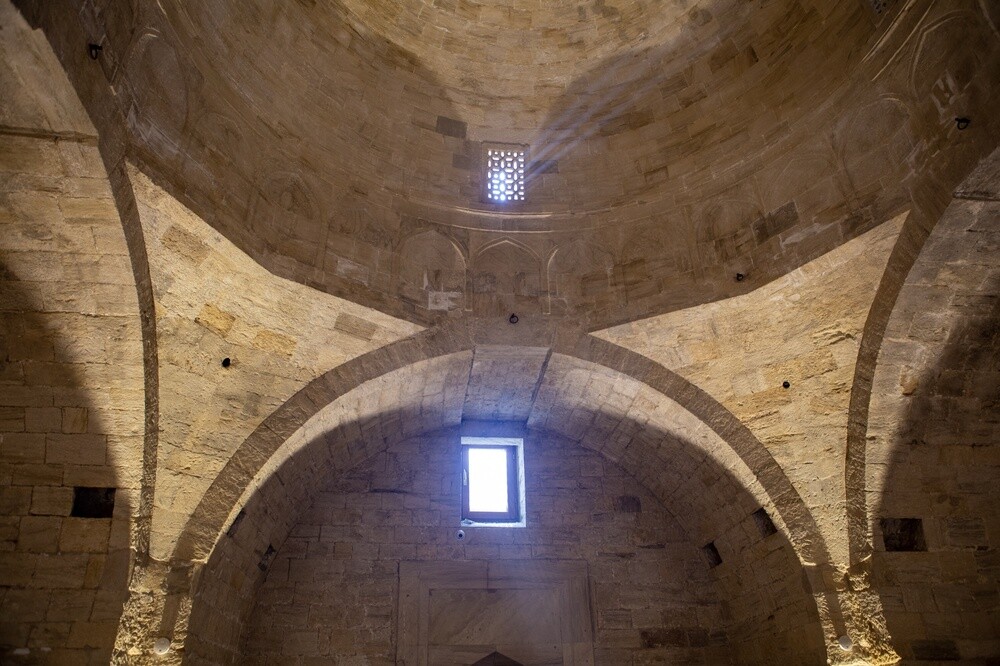
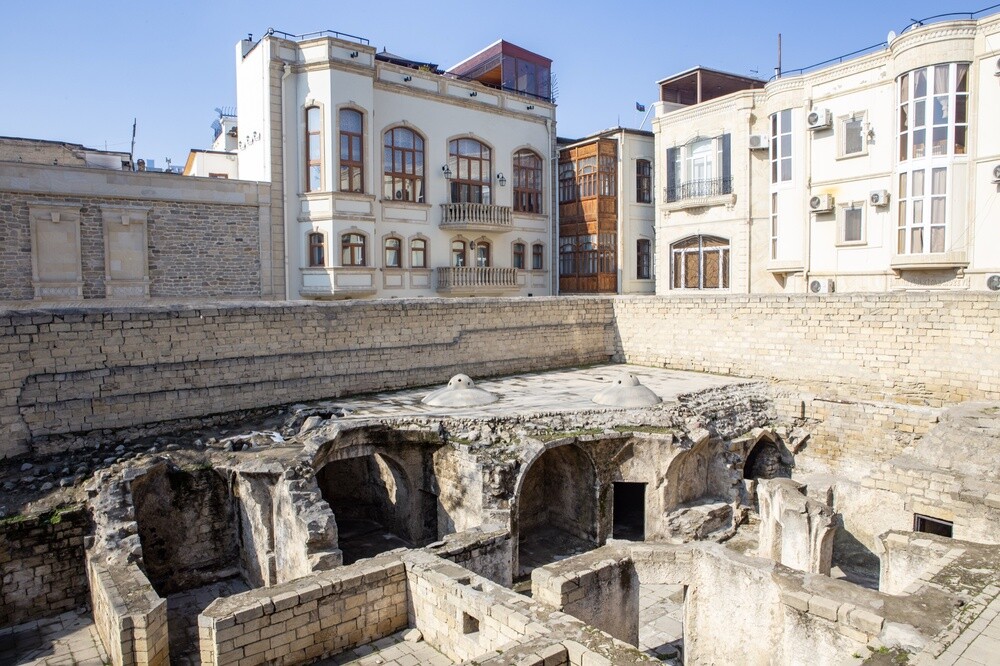
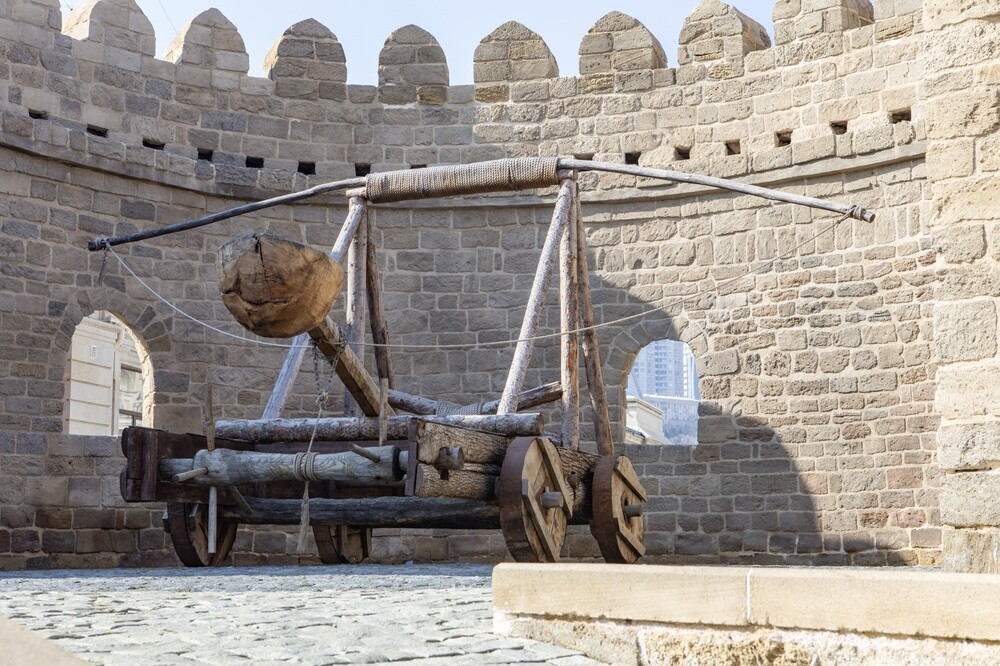
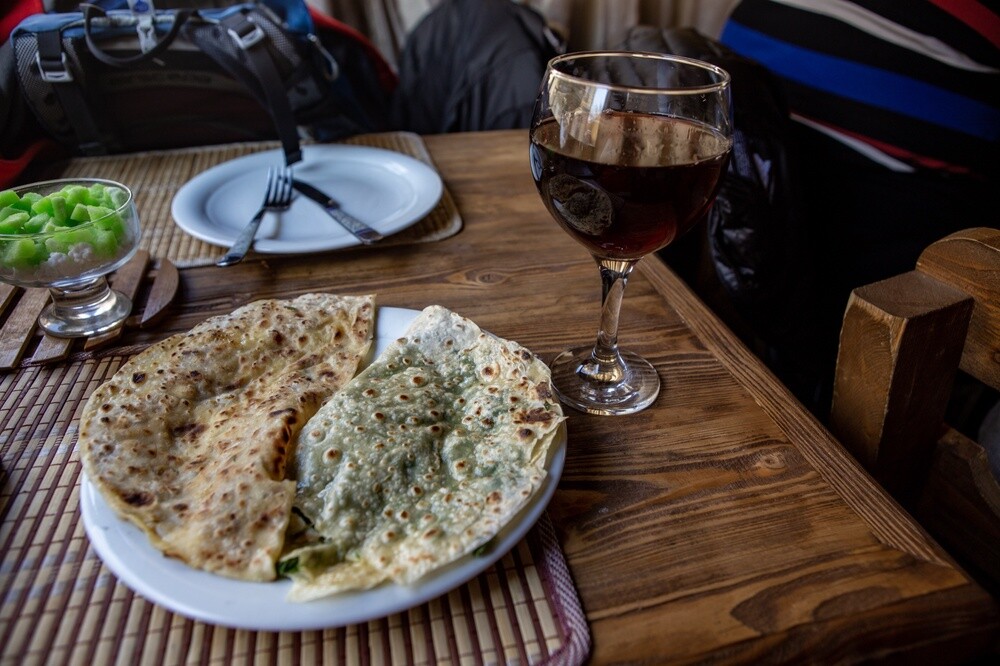
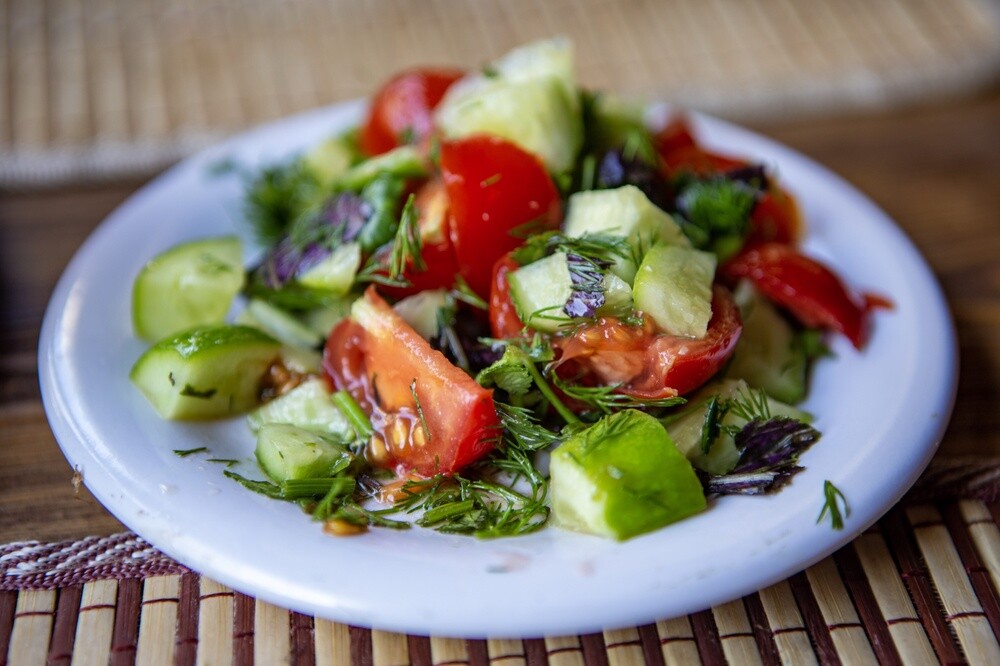
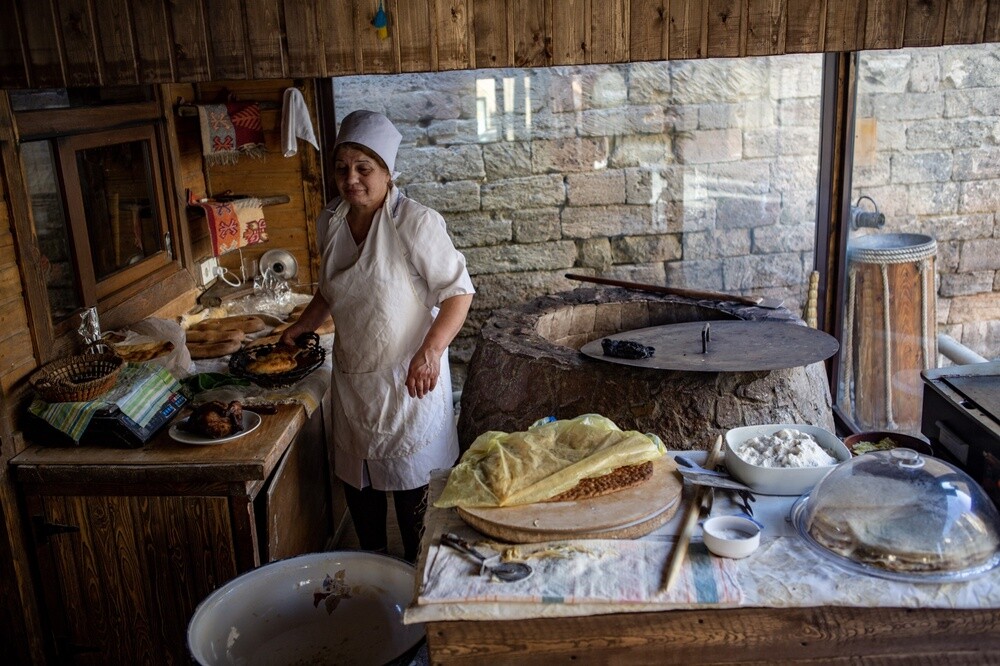
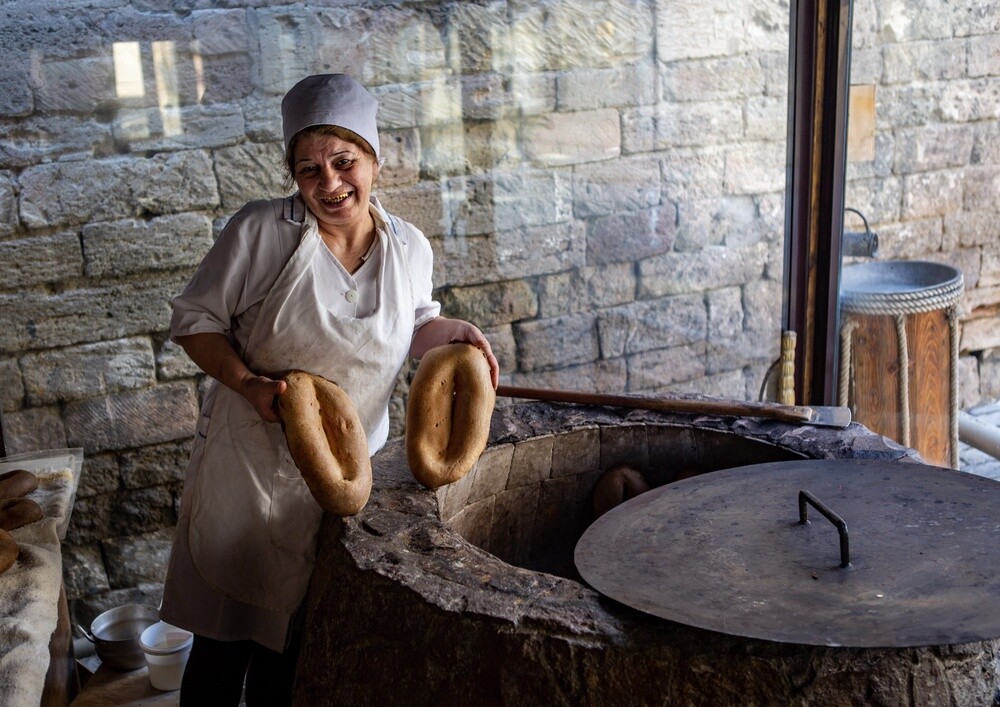
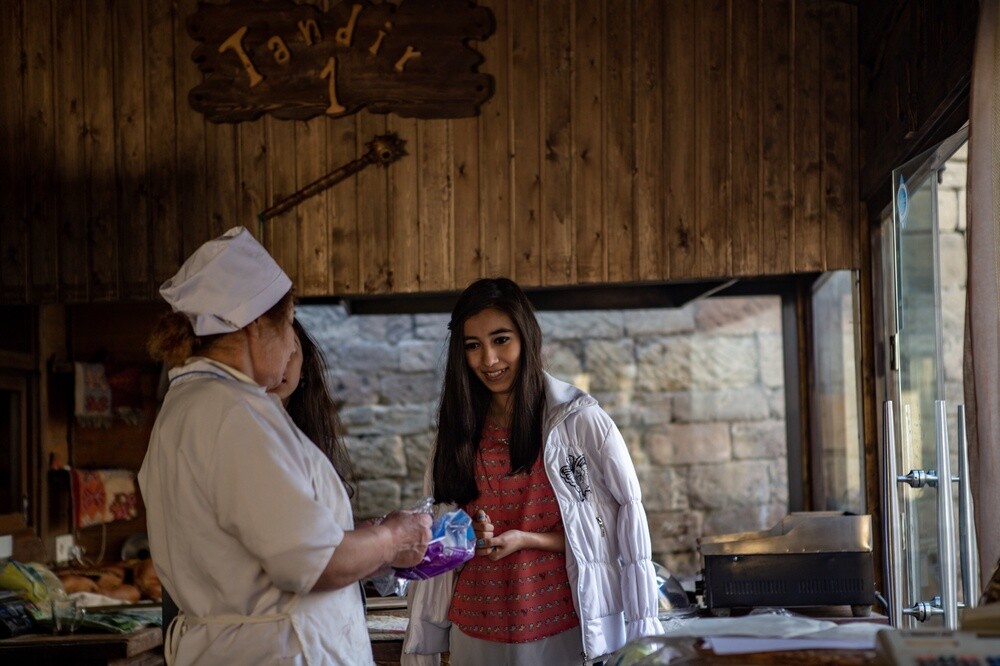
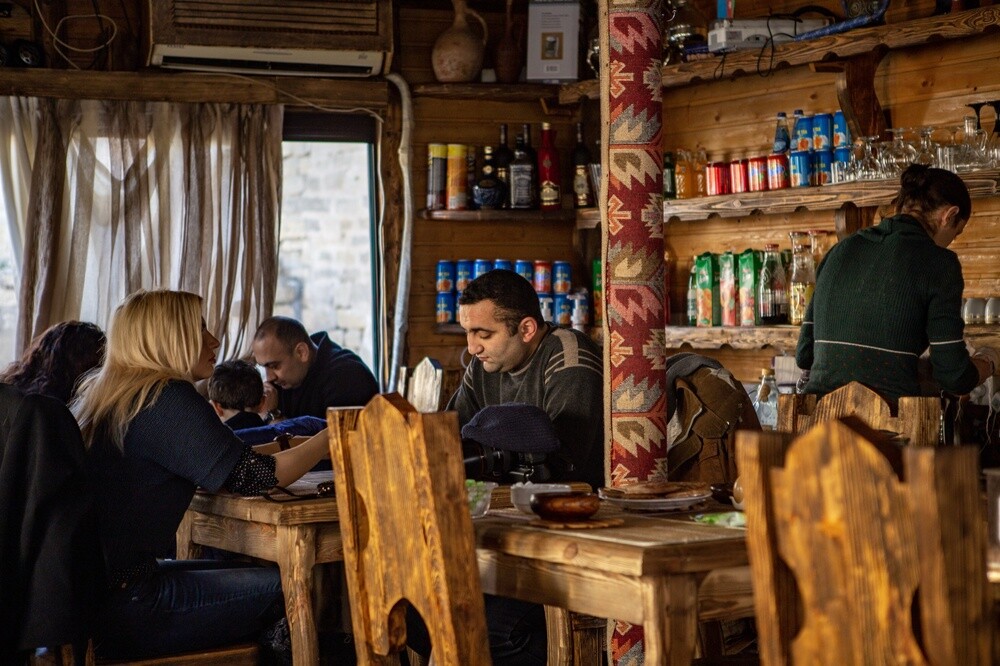
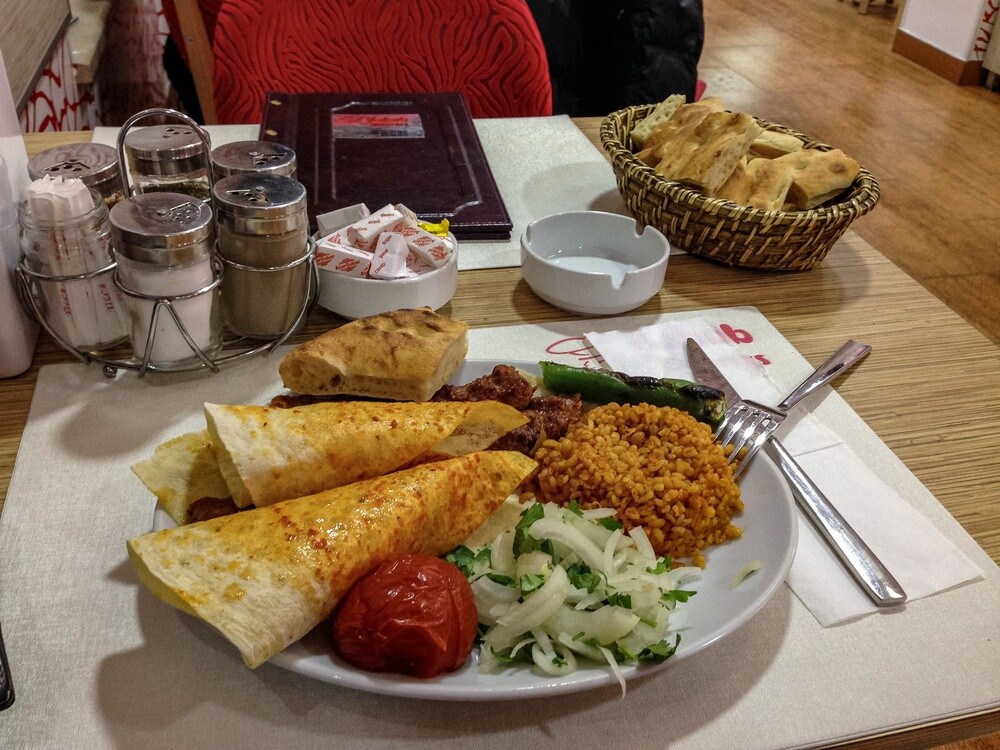
Back in the Old Town I then went into a caravanserai with a stone dome, peeked into the excavations below street level and walked around a replica catapult by the walls. A late lunch: qutabs, thin flatbreads filled with herbs, salad and red wine. Right next door women were baking bread in a tandir, a clay oven into which the dough is slapped onto the wall. From the food I also remember a peculiar local tea.

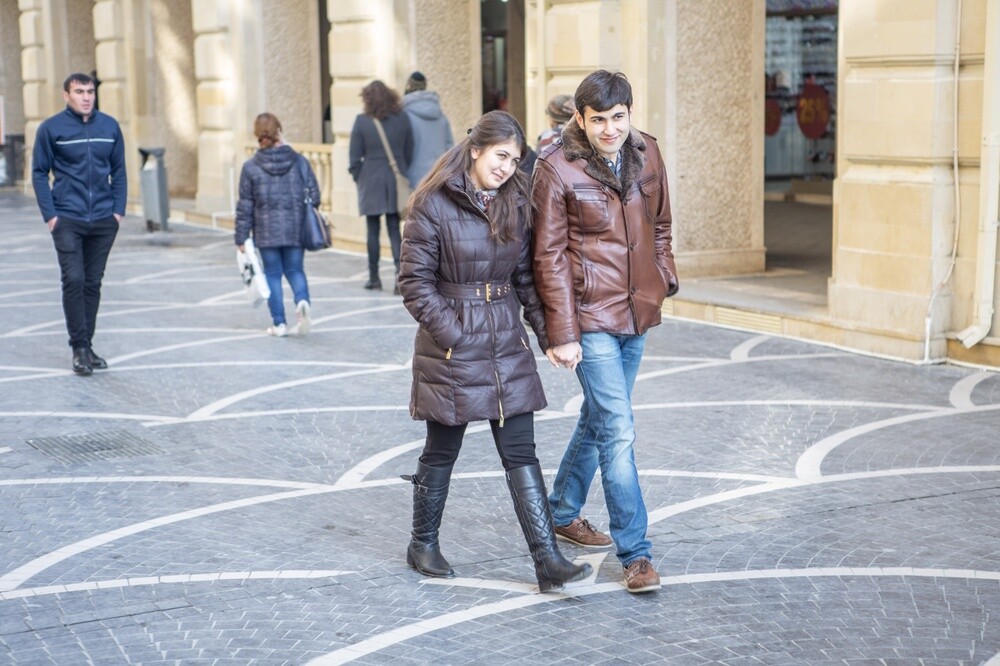
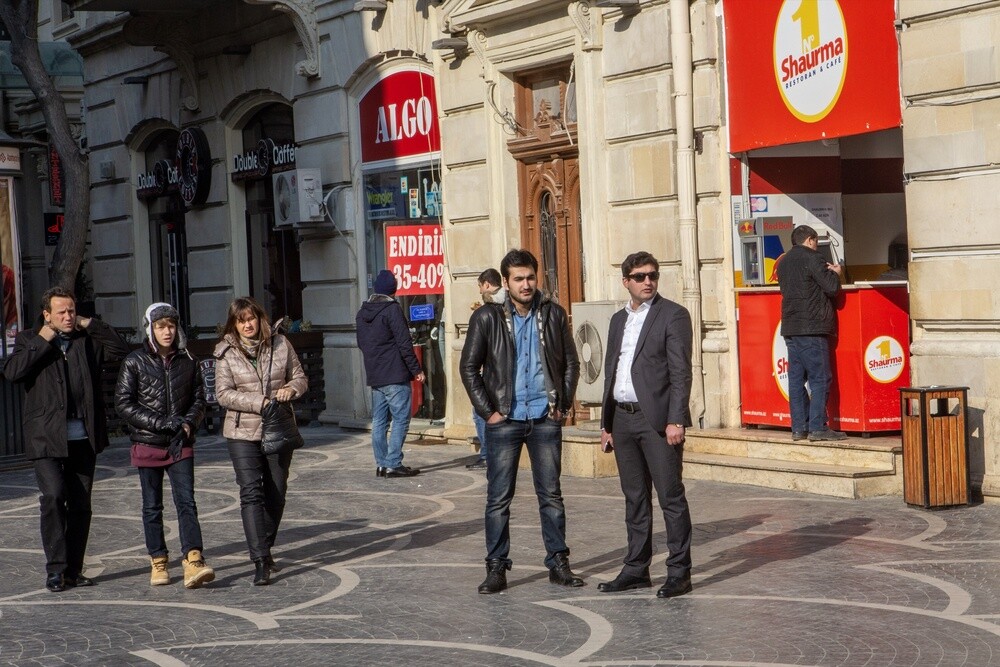
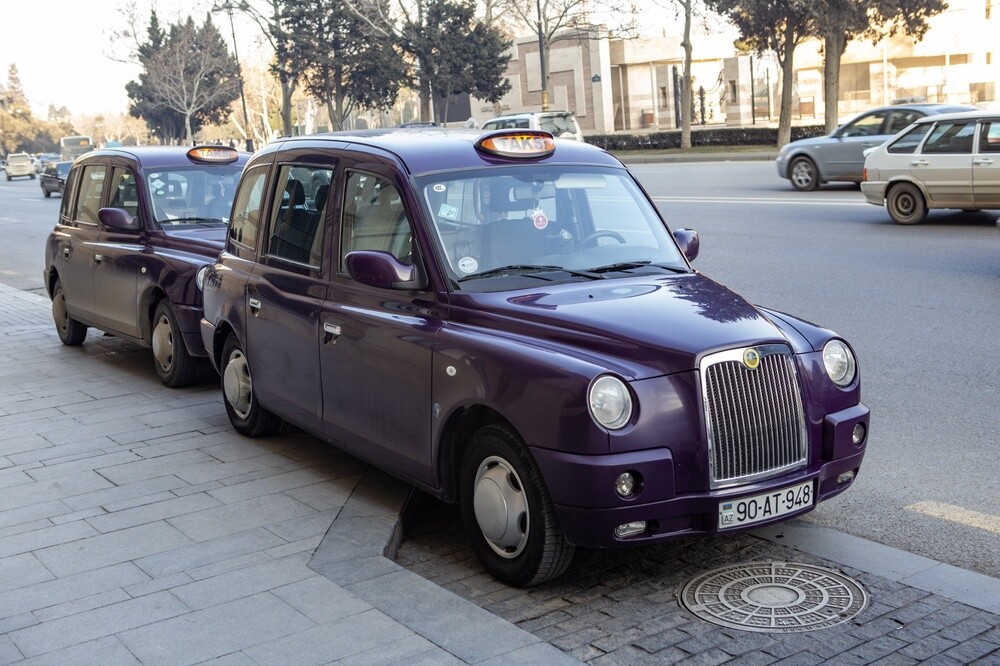
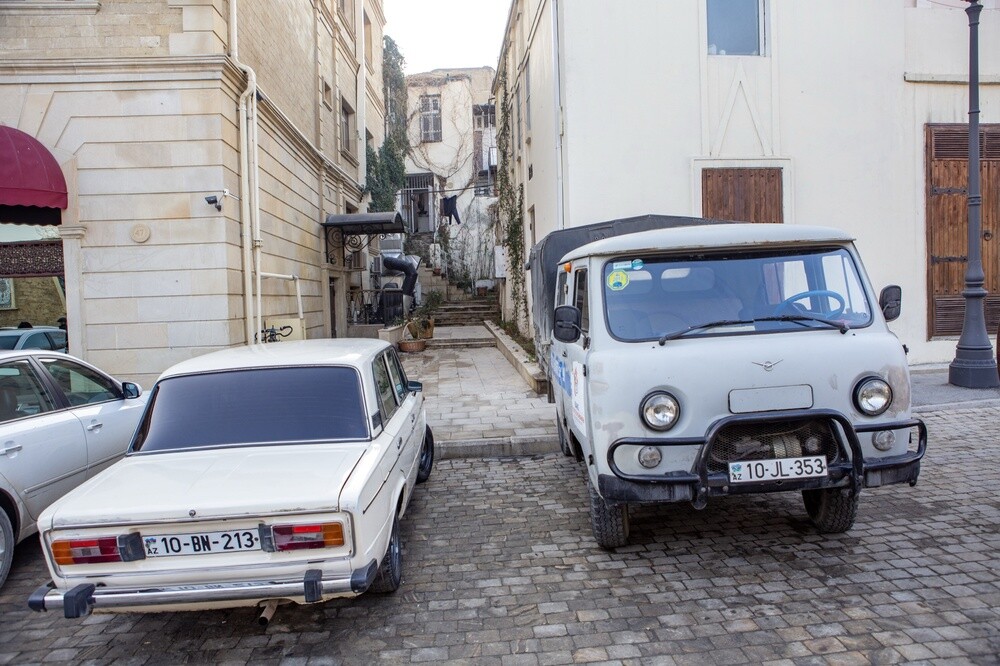
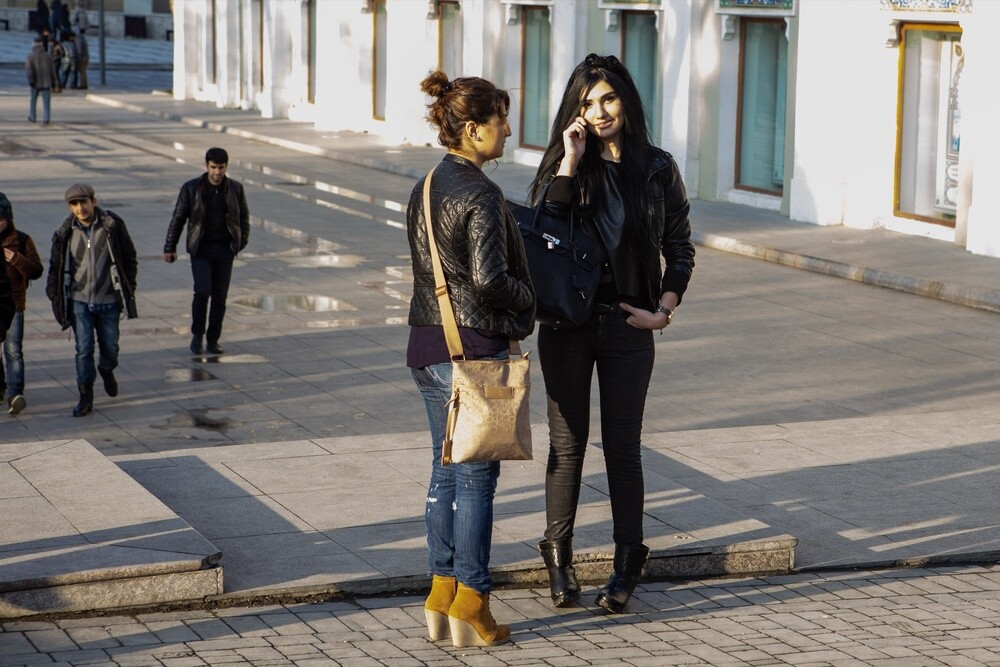
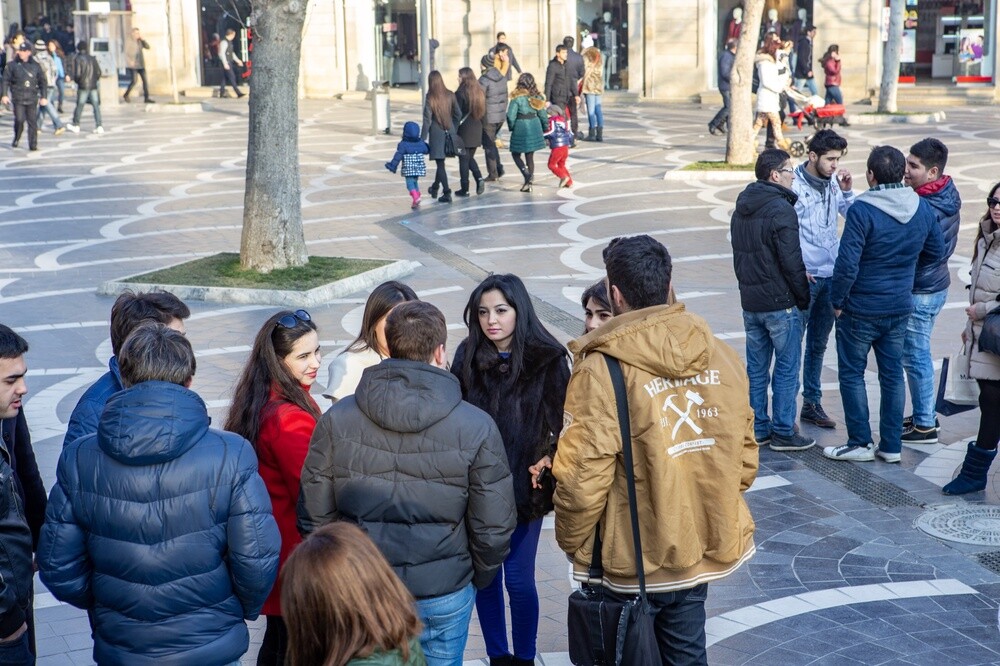
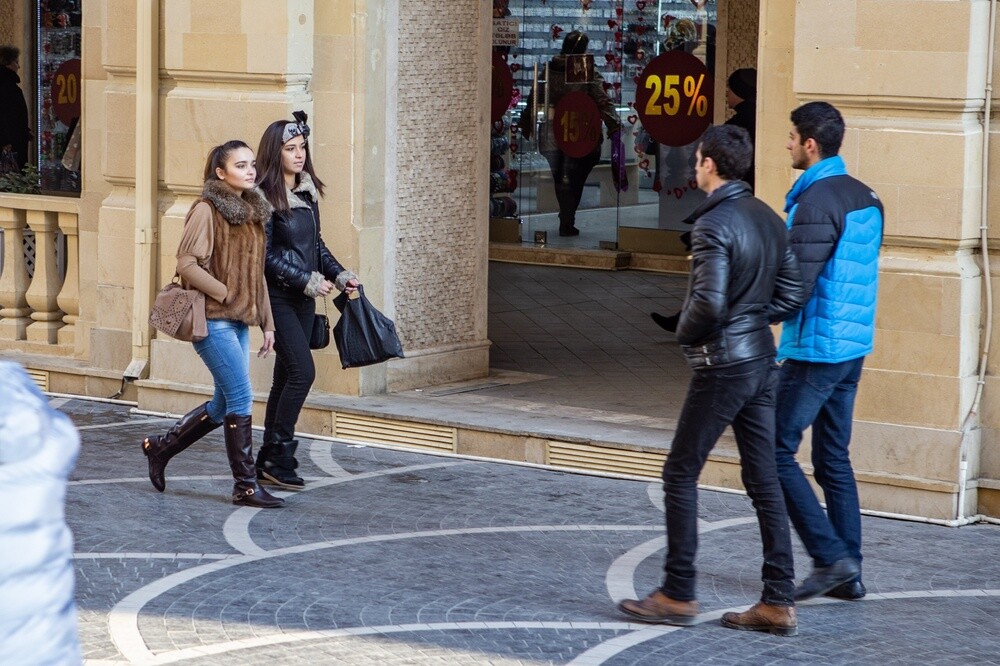
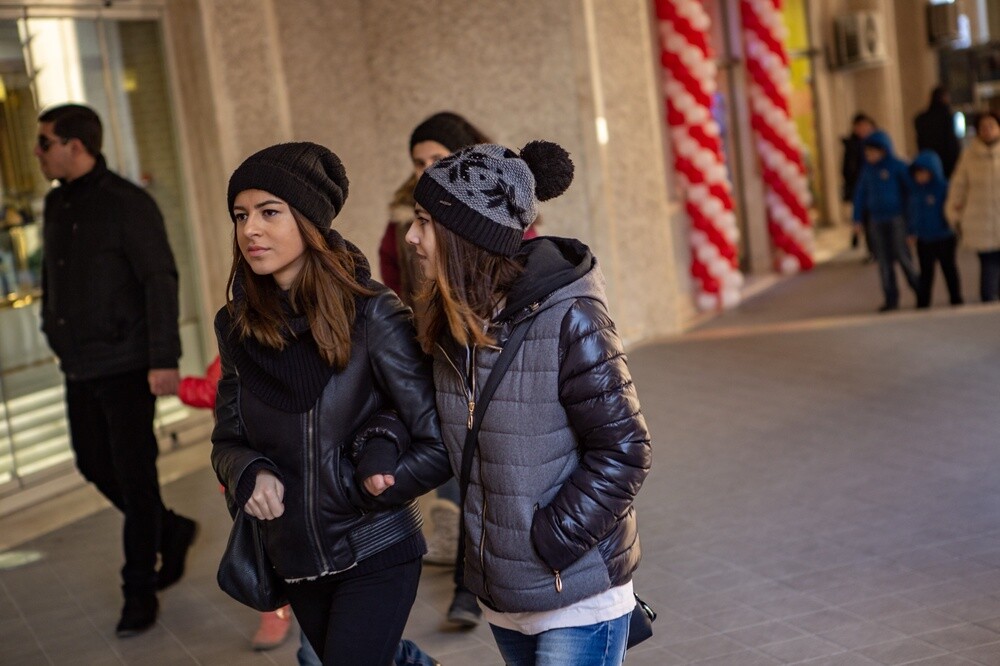
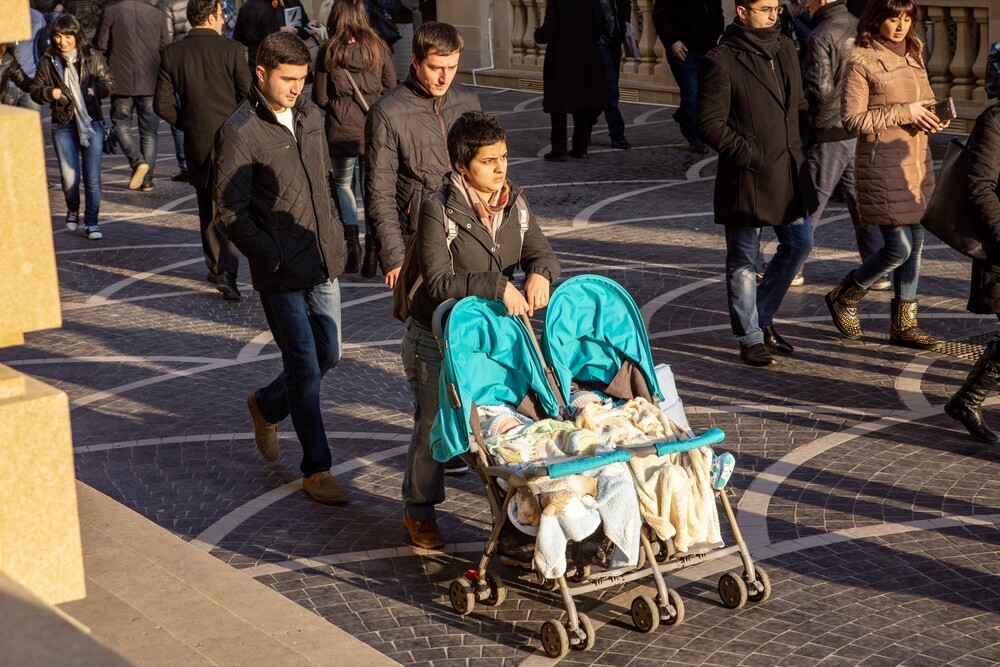
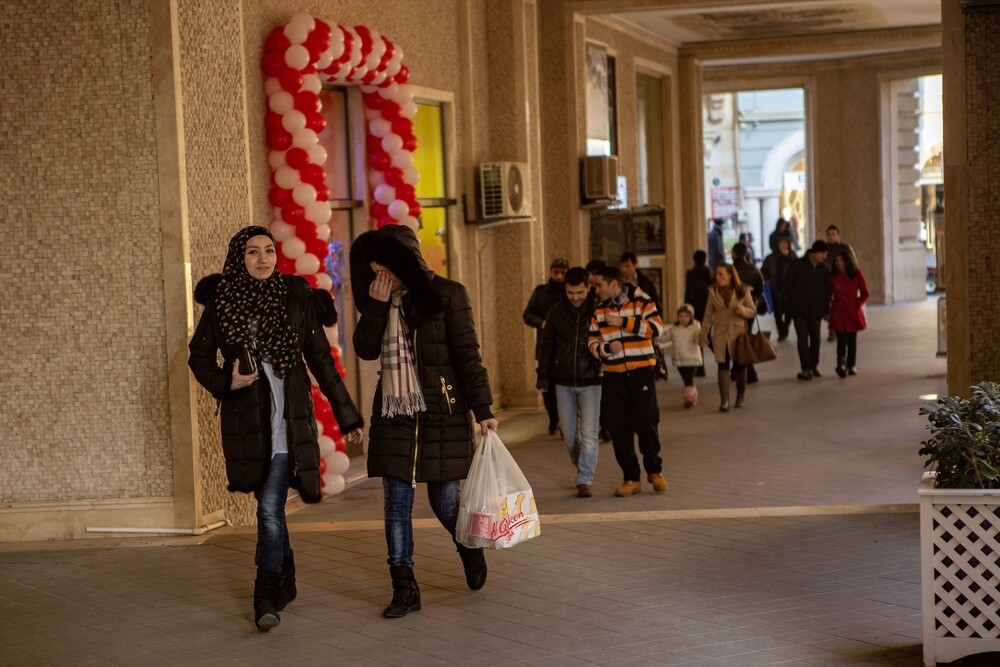
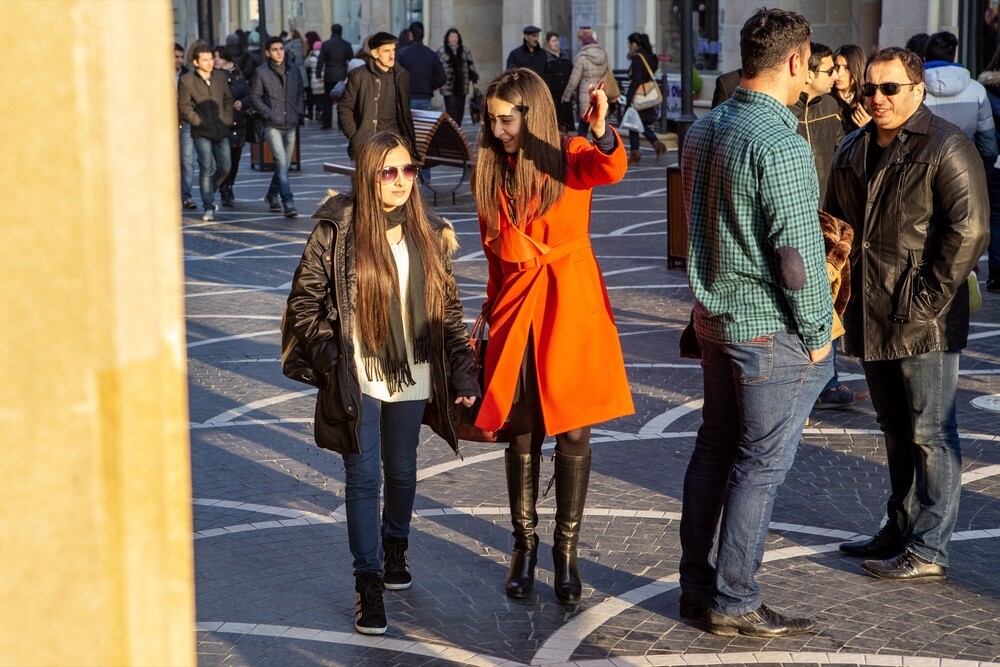
In the afternoon Baku looked like a car show spanning the ages. Purple London taxis (Baku ordered a thousand of them in 2011, before Eurovision), and next to them a Lada and a UAZ, as if nothing had changed. In Nizami Street and around Fountains Square a Sunday crowd, boys and girls in leather jackets, prams, shopping bags.

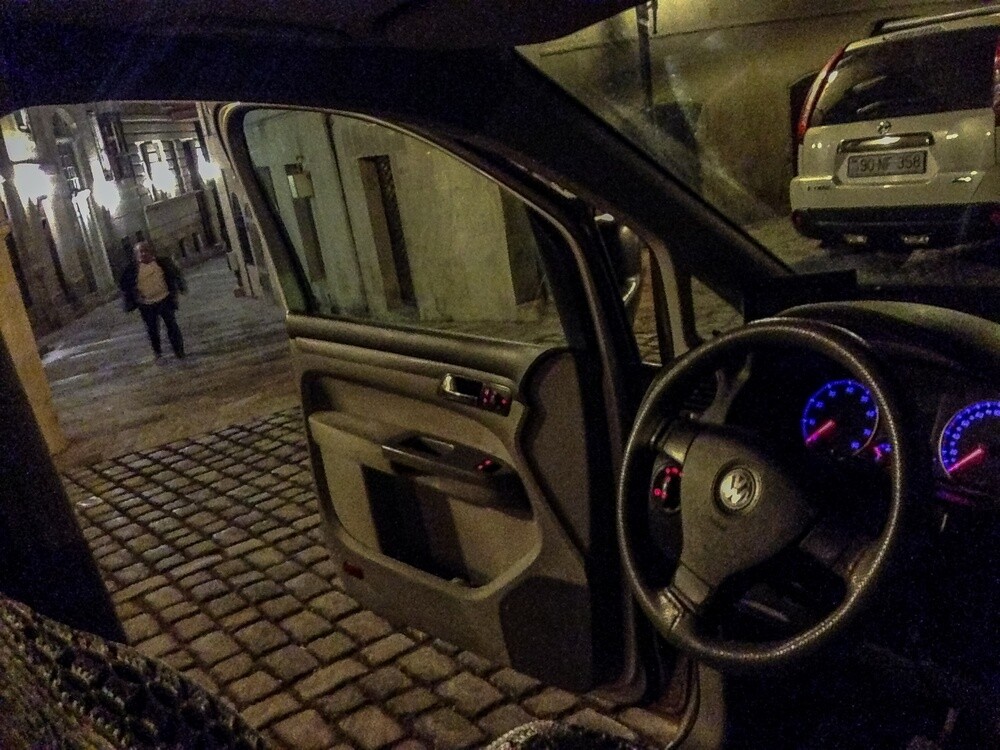
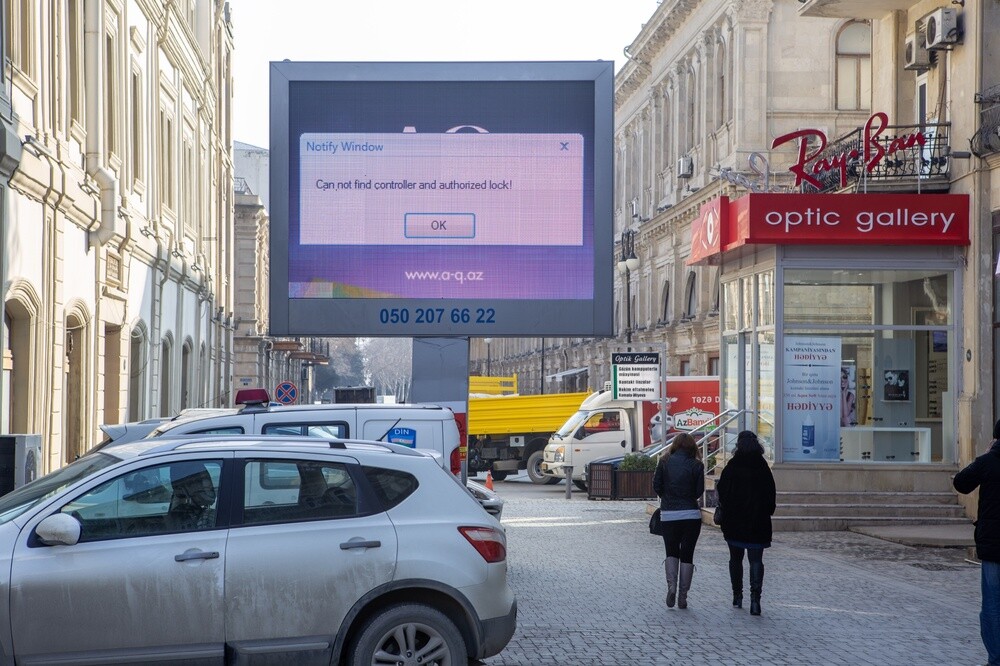
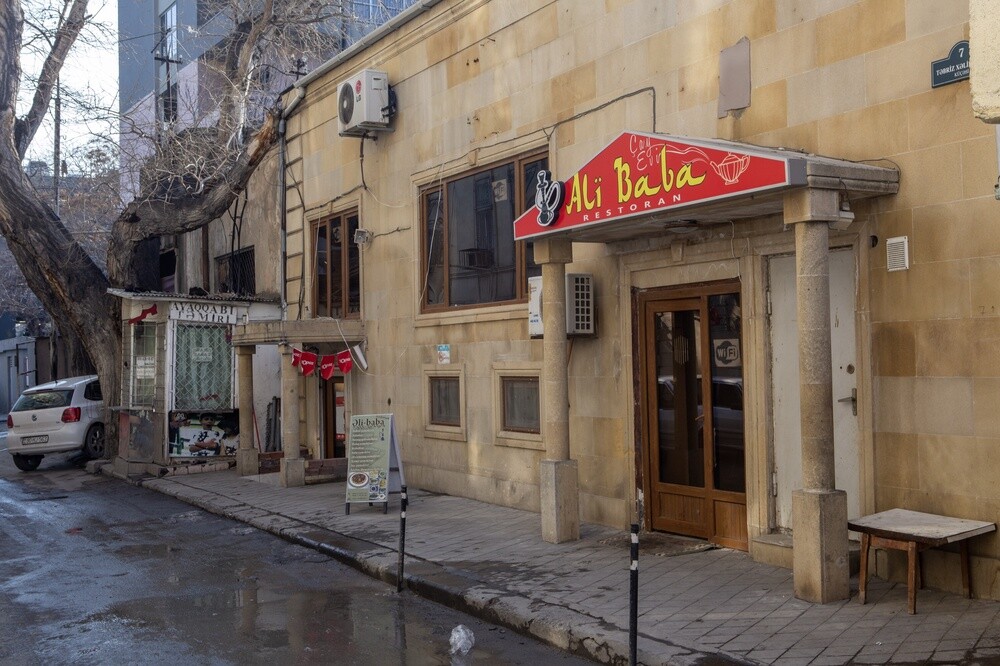
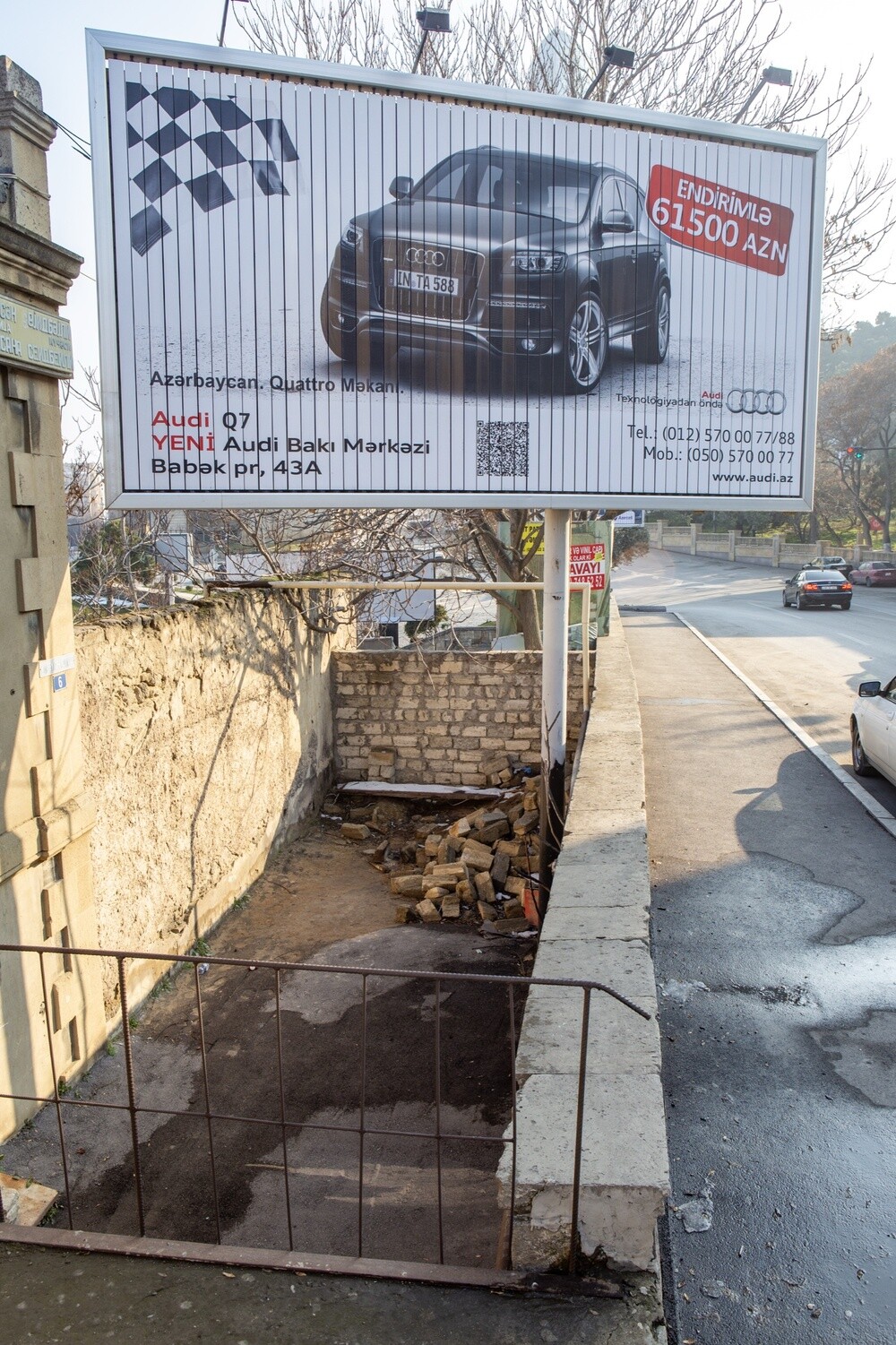
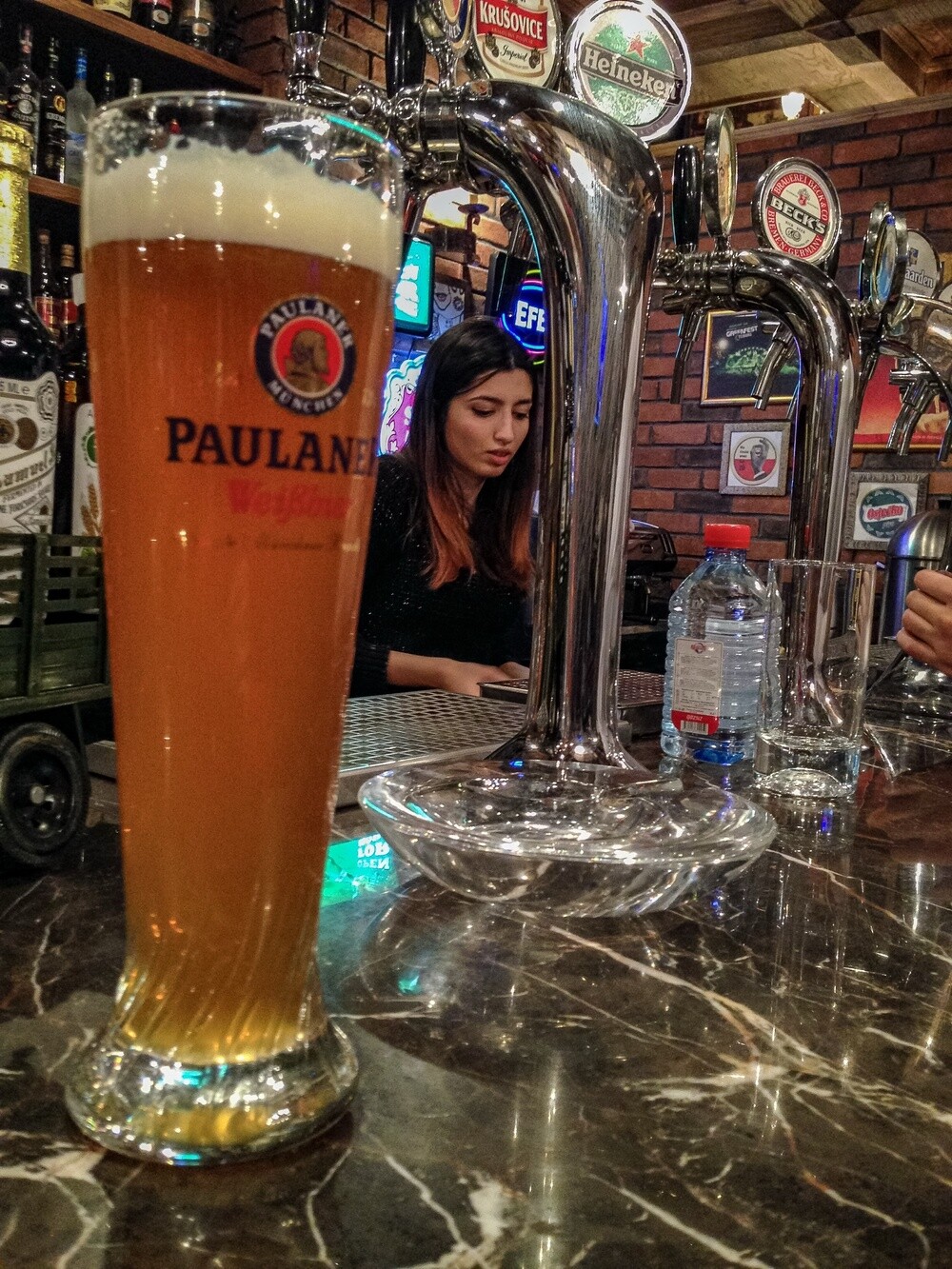
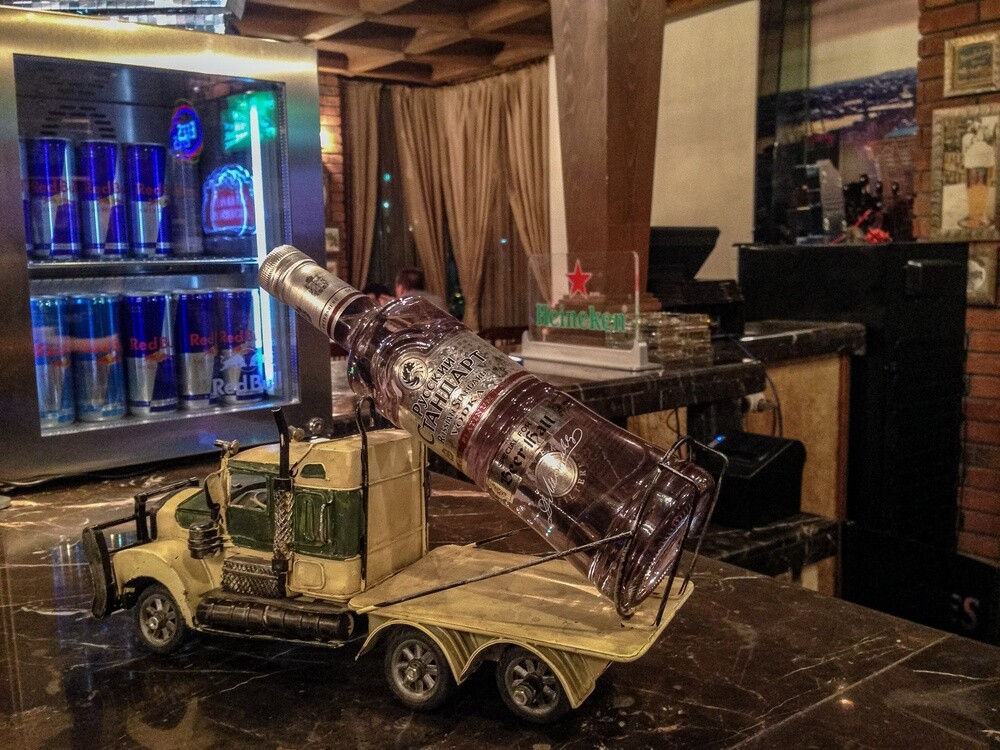
And in the evening it became clear what being on a trip alone means. Sitting in a pub after dinner is nice, except on your own you stay there too long and order too many beers. First a Paulaner, then a bar with a model truck hauling a giant bottle of vodka, then dinner with lavash and plov. And I made up for the solitude by posting intensively on Facebook. On the way to the hotel I photographed a dead billboard which instead of an ad was glowing with "Can not find controller and authorized lock!". It probably needed to text someone too.

Monday 10 February 2014, Baku – Yanar Dag – Balakhani

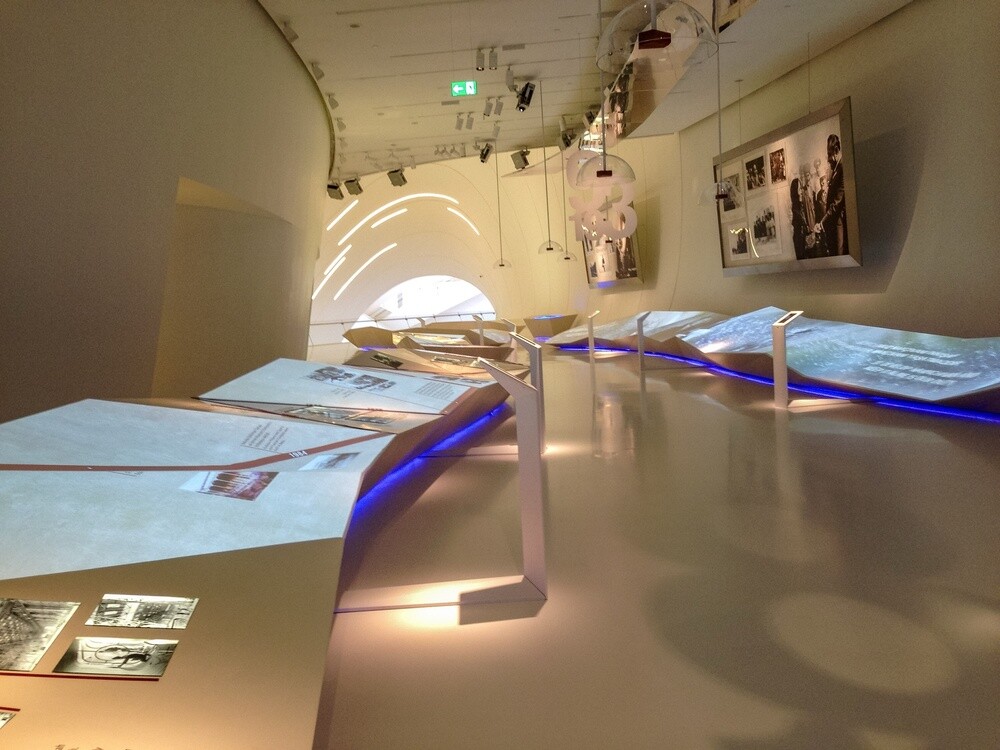
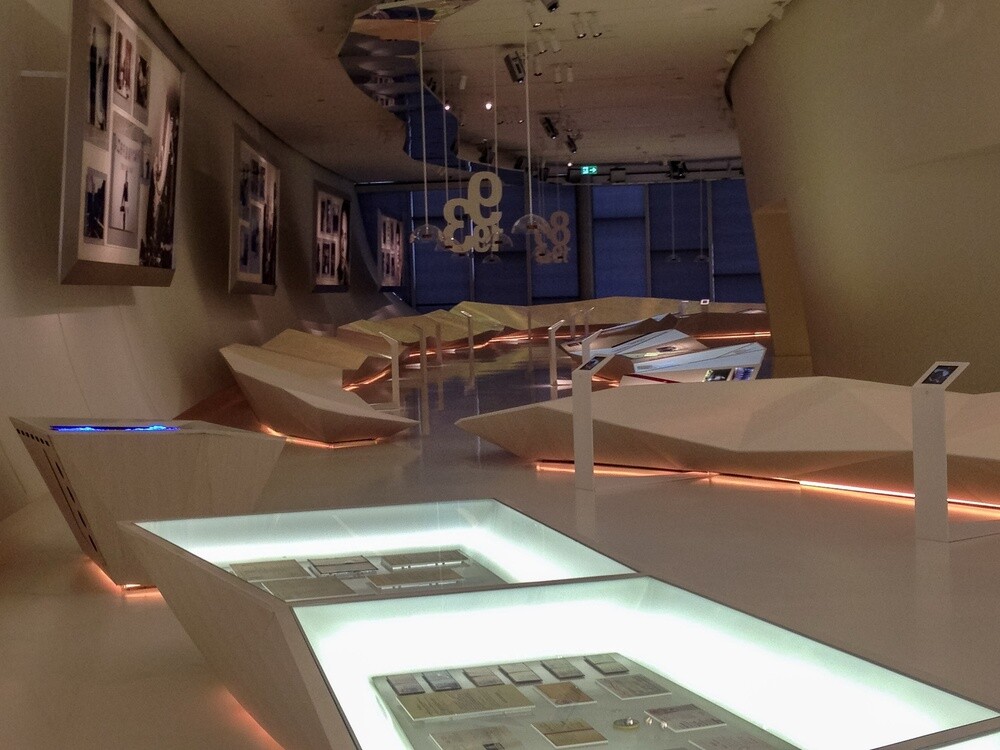
On the last day I did that "museum" from the inside as well. Inside the Heydar Aliyev Center it's just as white and curved as outside, staircases flowing like dunes and exhibitions with illuminated tables.

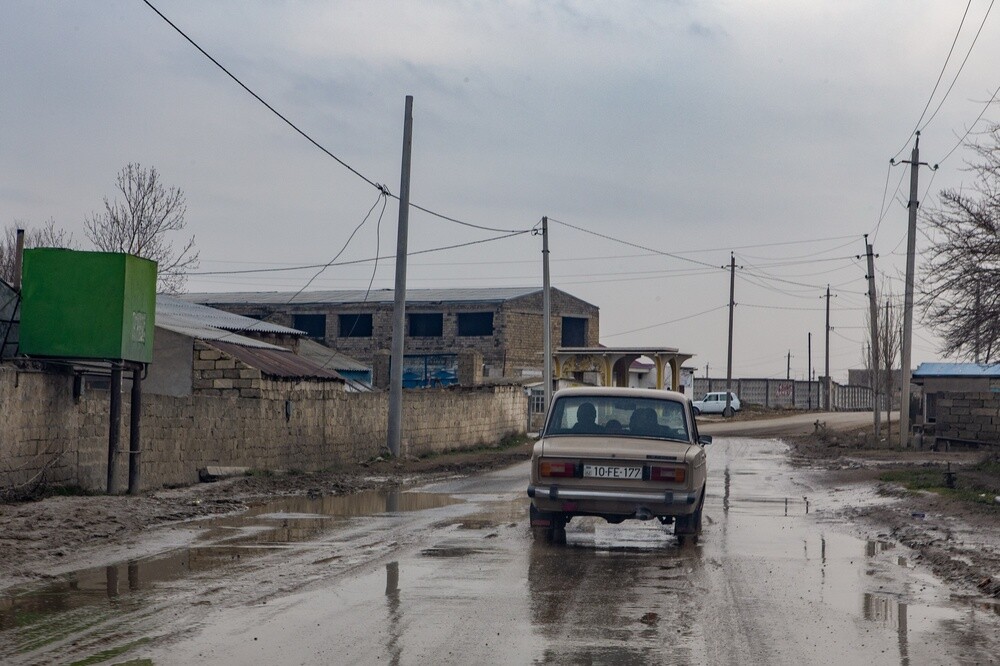
Then a taxi to Yanar Dag. The driver drove an insanely old Lada 2101, a kopeyka, and we chatted the whole way. He was a bit nostalgic for the old days, and it's from him too that I got that longing for the Soviet Union from the intro.

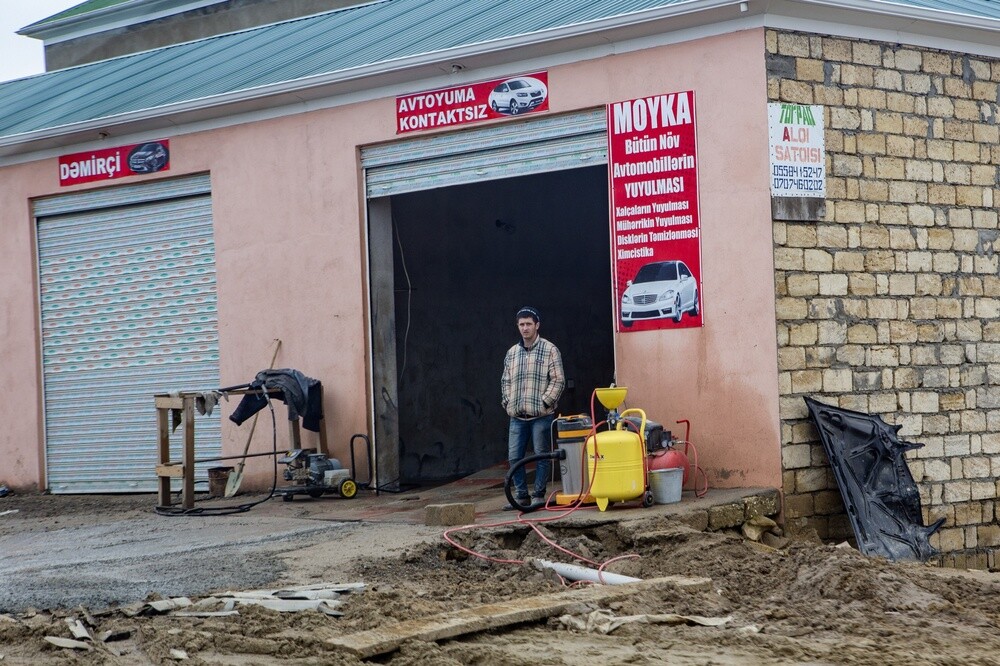
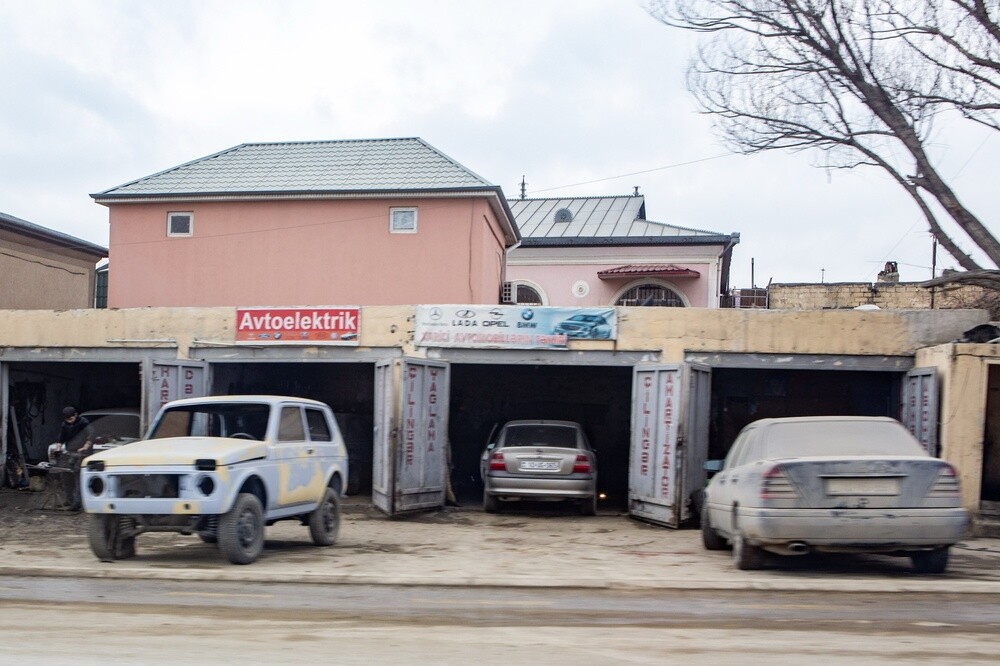
And this is where I got to see the real Azerbaijan. Outside the city muddy streets, little shops made of sheet metal and blocks, ZIL trucks and in the middle of puddles oil pumps nodding their heads as if nothing was going on.

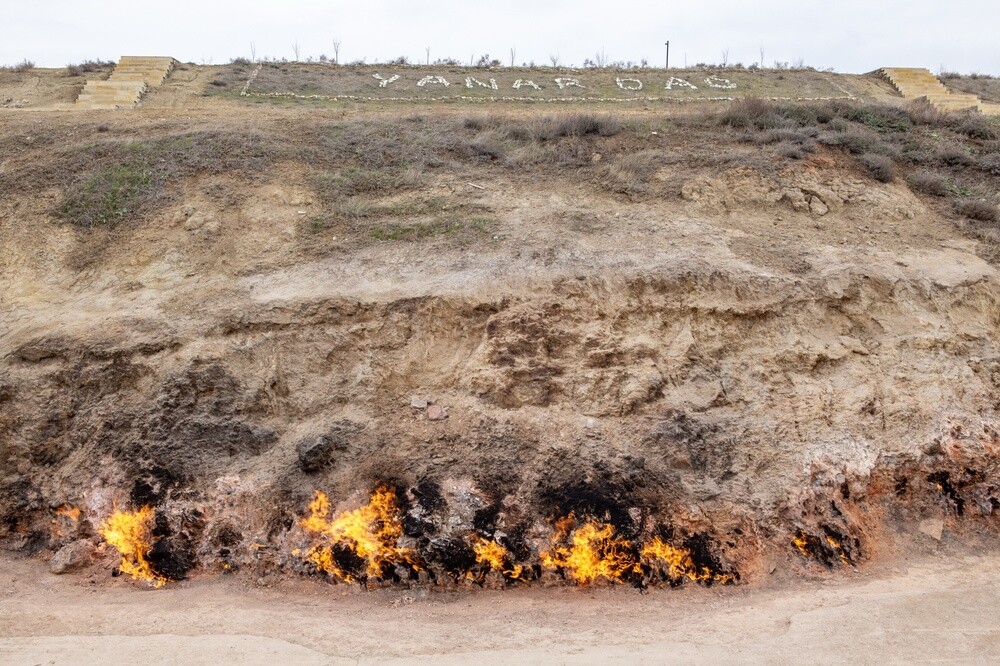
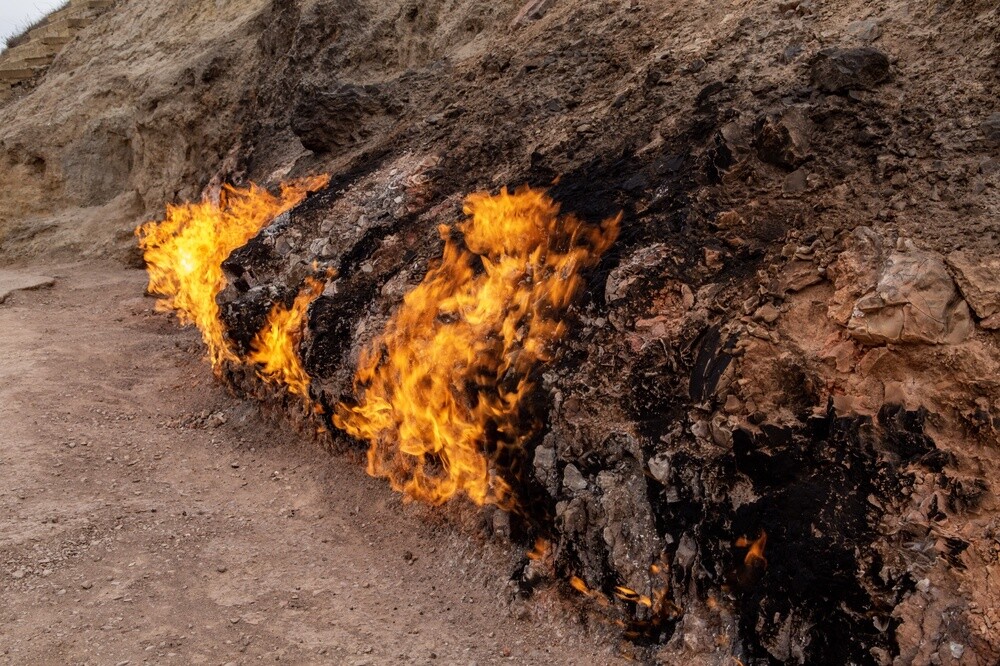
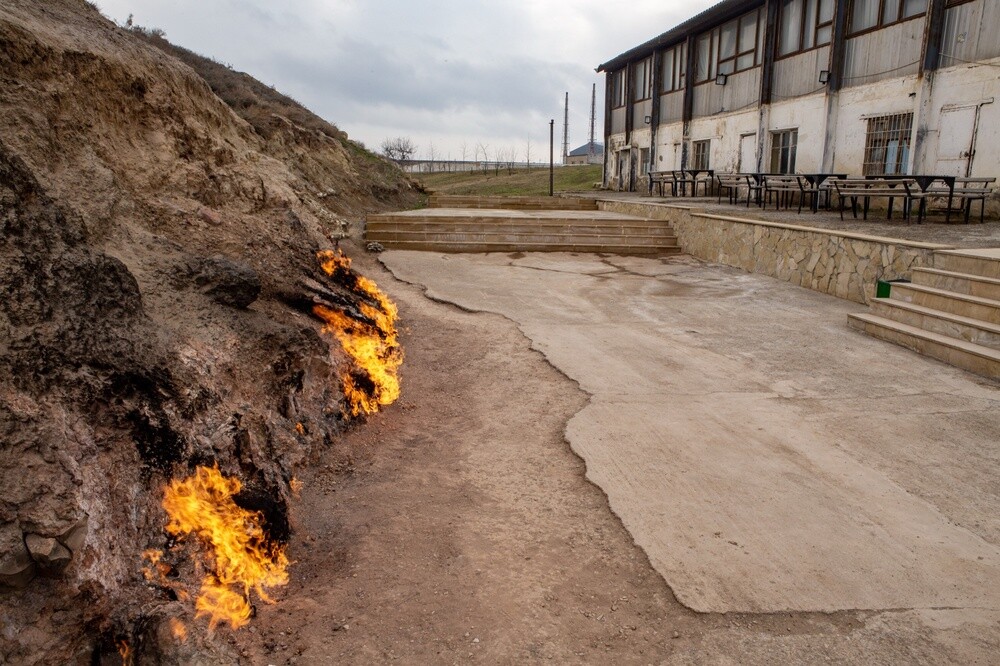
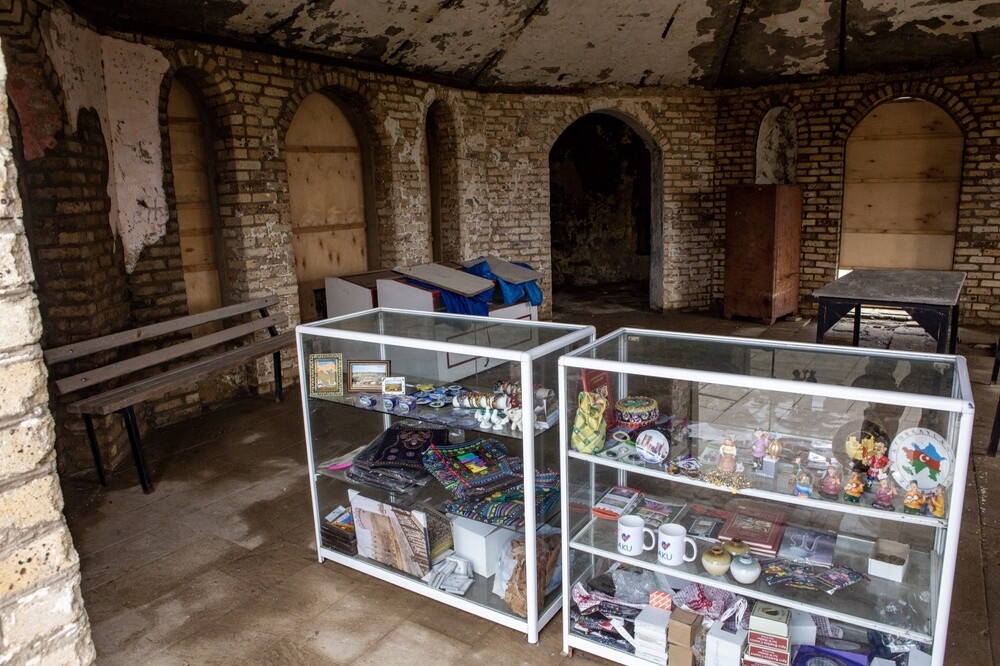
Yanar Dag is a burning hillside about 27 km from Baku near the village of Məmmədli. Natural gas escapes from the sandstone at the foot of the hill and burns, with flames shooting up to about 3 metres high. In the intro I wrote about an oil outcrop, but in fact it's gas that's burning, and it does so non-stop. In 2014 there was only a building with a terrace and a souvenir stand in a shabby room, no big attraction.

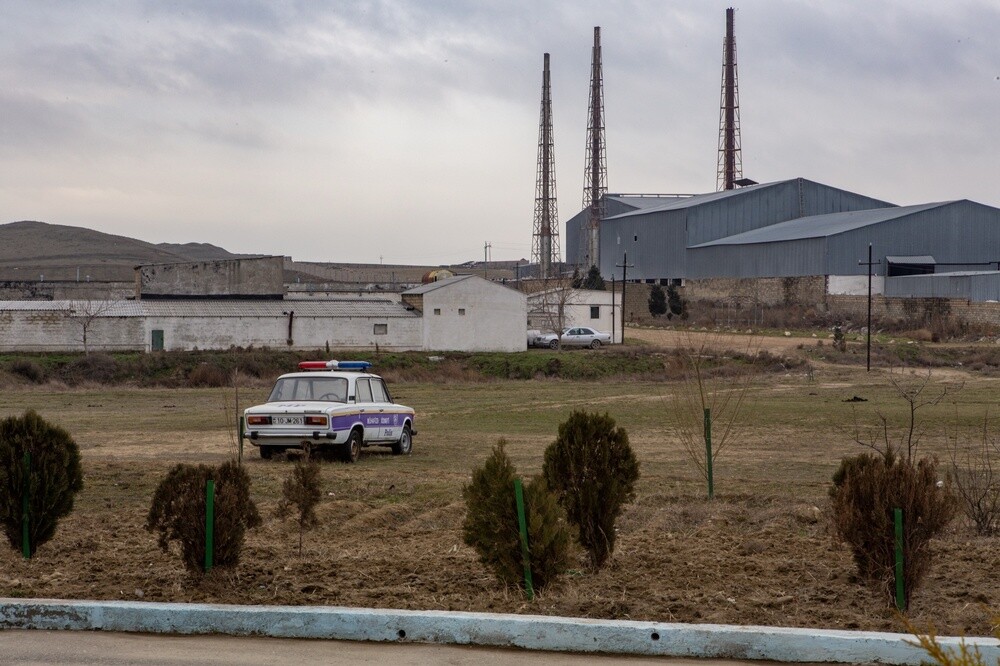
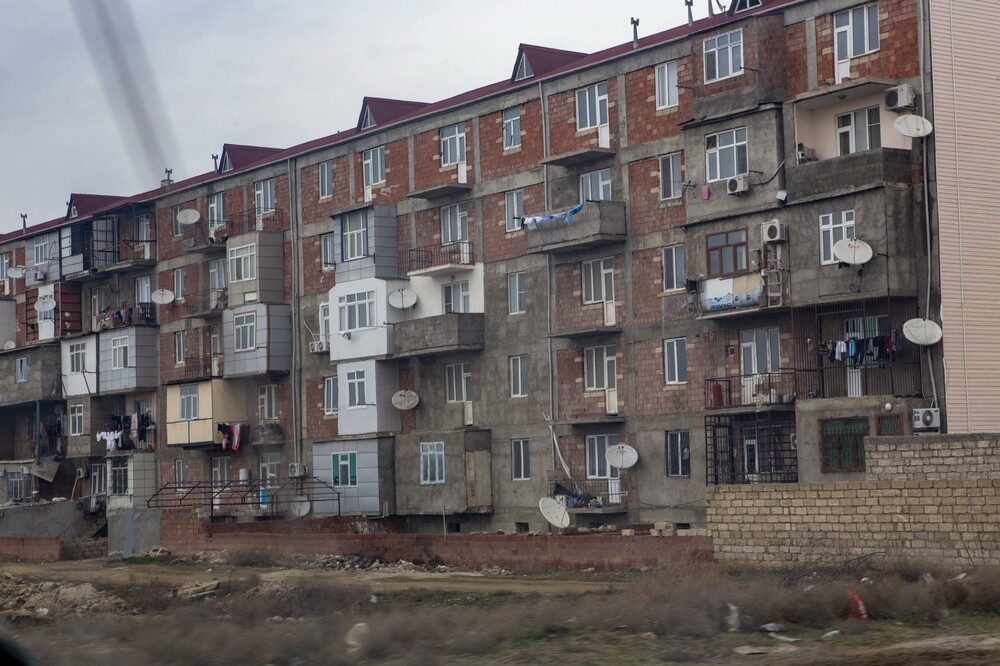
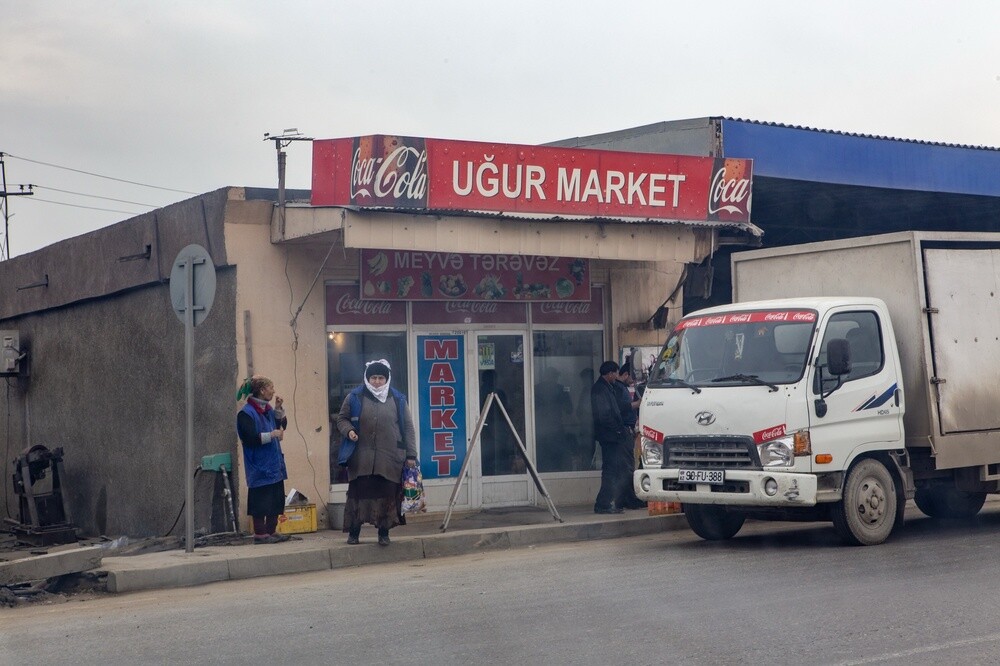
On the way back we drove through Məmmədli and past a power plant to the Balakhani oil field, one of the oldest around Baku, where they've been drilling since the 19th century. Soviet prefab blocks among the derricks, the Ugur Market and meat on a hook in front of the shop. And then just the airport and home.